A Visit to the American Antiquarian Society

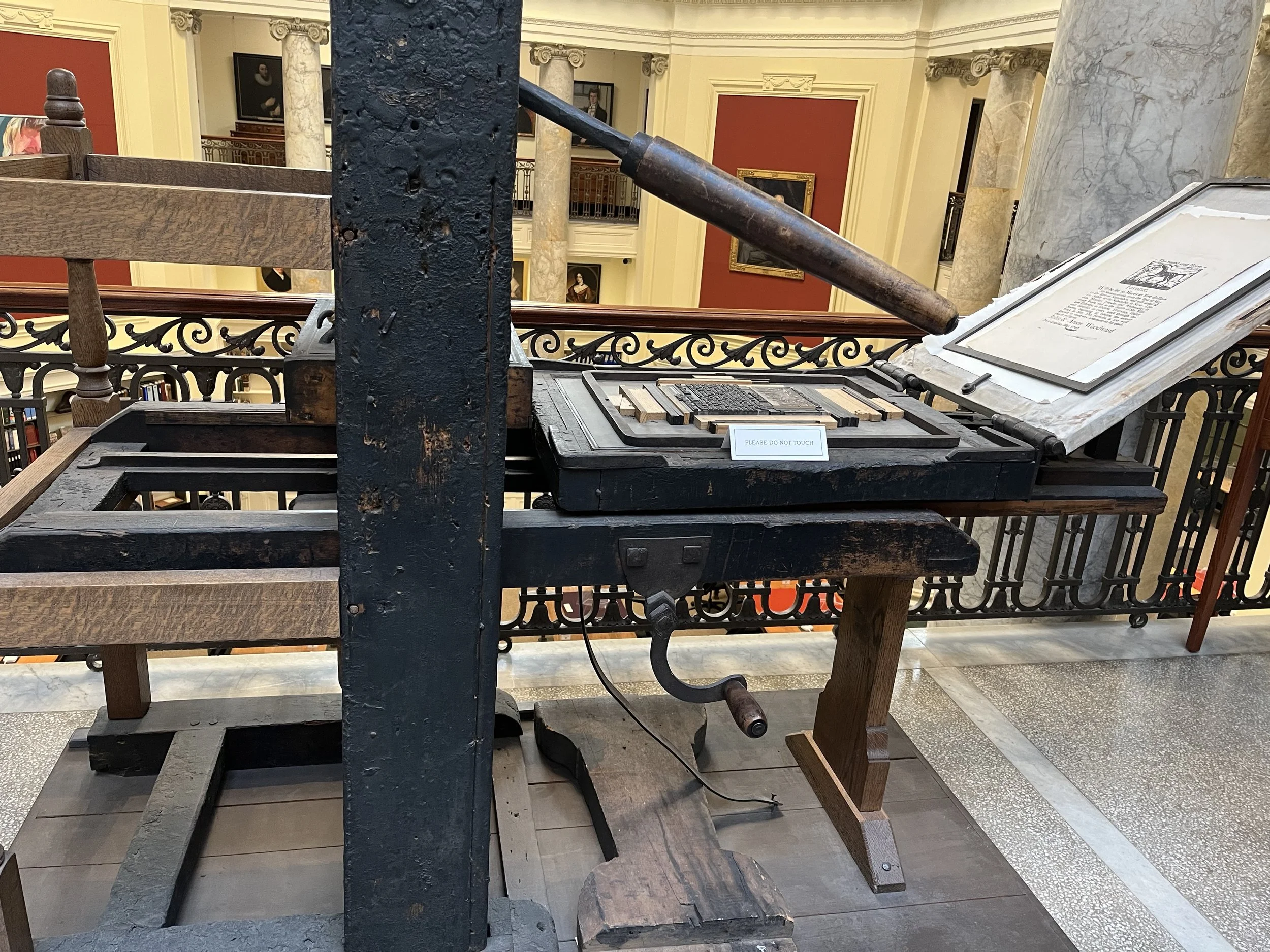
Replica of “first thing ever printed in Worcester.”

Recently author Caroline Linden & I paid a visit to the American Antiquarian Society. I’m one lucky Nerdy History Girl: It’s only a short drive from my house.

The place is like the Tardis: bigger on the inside, although it’s pretty big on the outside, too—which it needs to be, since it’s the home of “the world’s largest and most accessible collection of books, pamphlets, broadsides, newspapers, periodicals, children's literature, music, and graphic arts material printed before the twentieth century in what is now the United States.” Four million items or so. One cannot see everything in a 45 minute tour, nor can one take photos of everything without holding up progress, but here’s a sampling of what we saw.
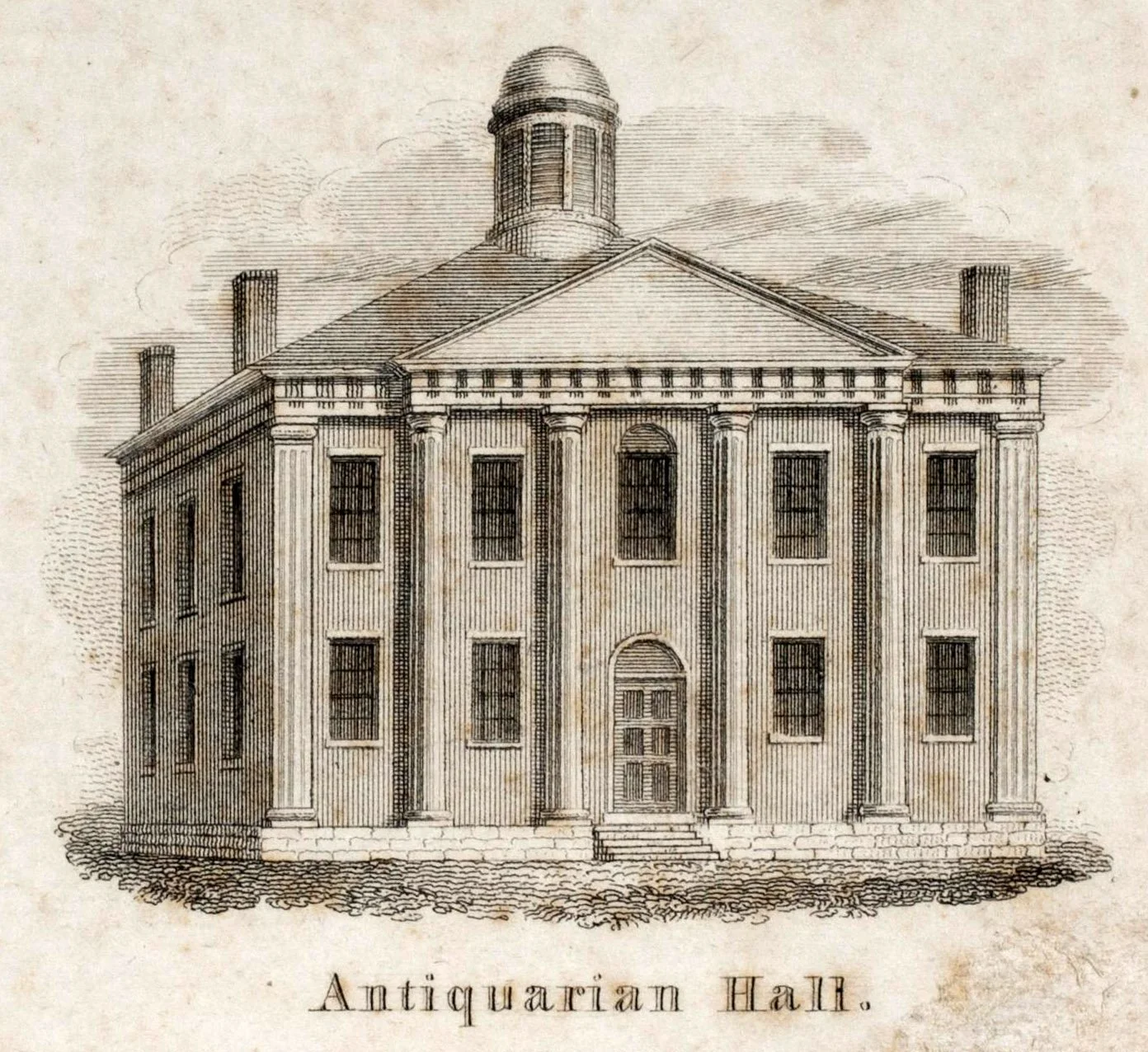
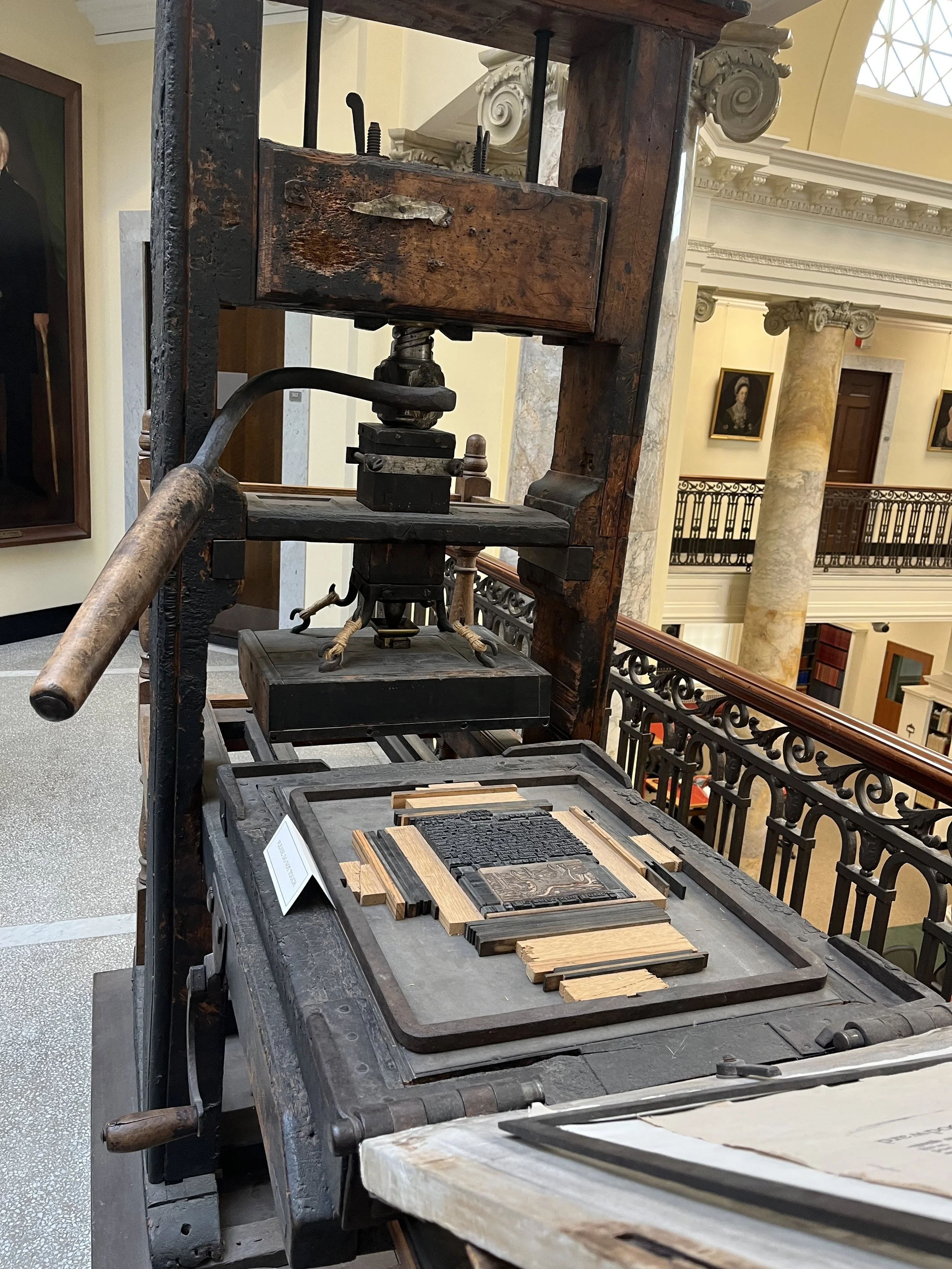
The first image, from the website, is Antiquarian Hall in 1812. The rest are our photographs (mainly my husband’s). The printing press is the original press on which Isaiah Thomas produced The Massachusetts Spy. He started out in Boston, but made a hasty exit, press and all, when things in Boston got too hot for this revolutionary. You can read the story here.

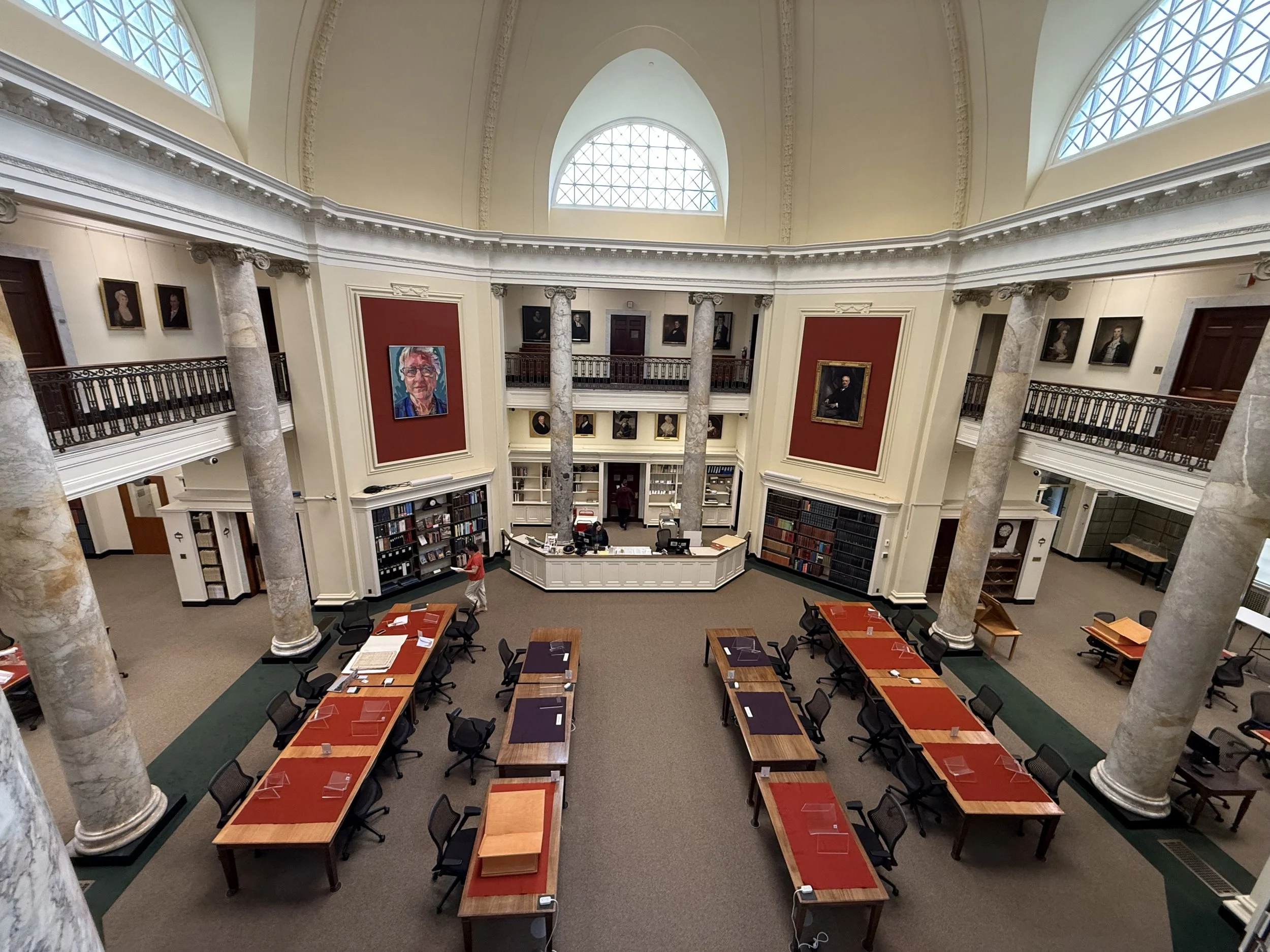
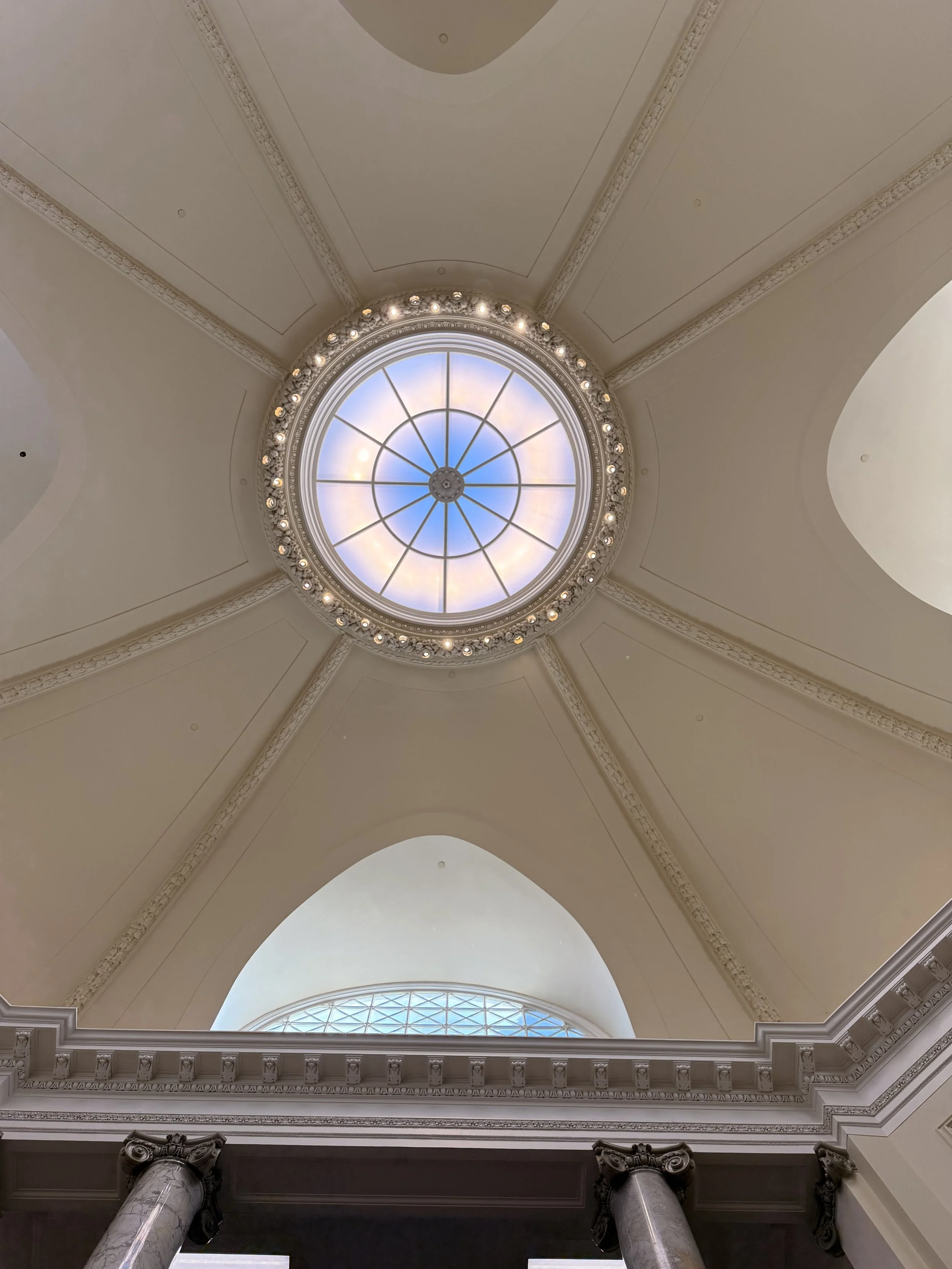
The large space is the Reading Room, and the light is in the dome.

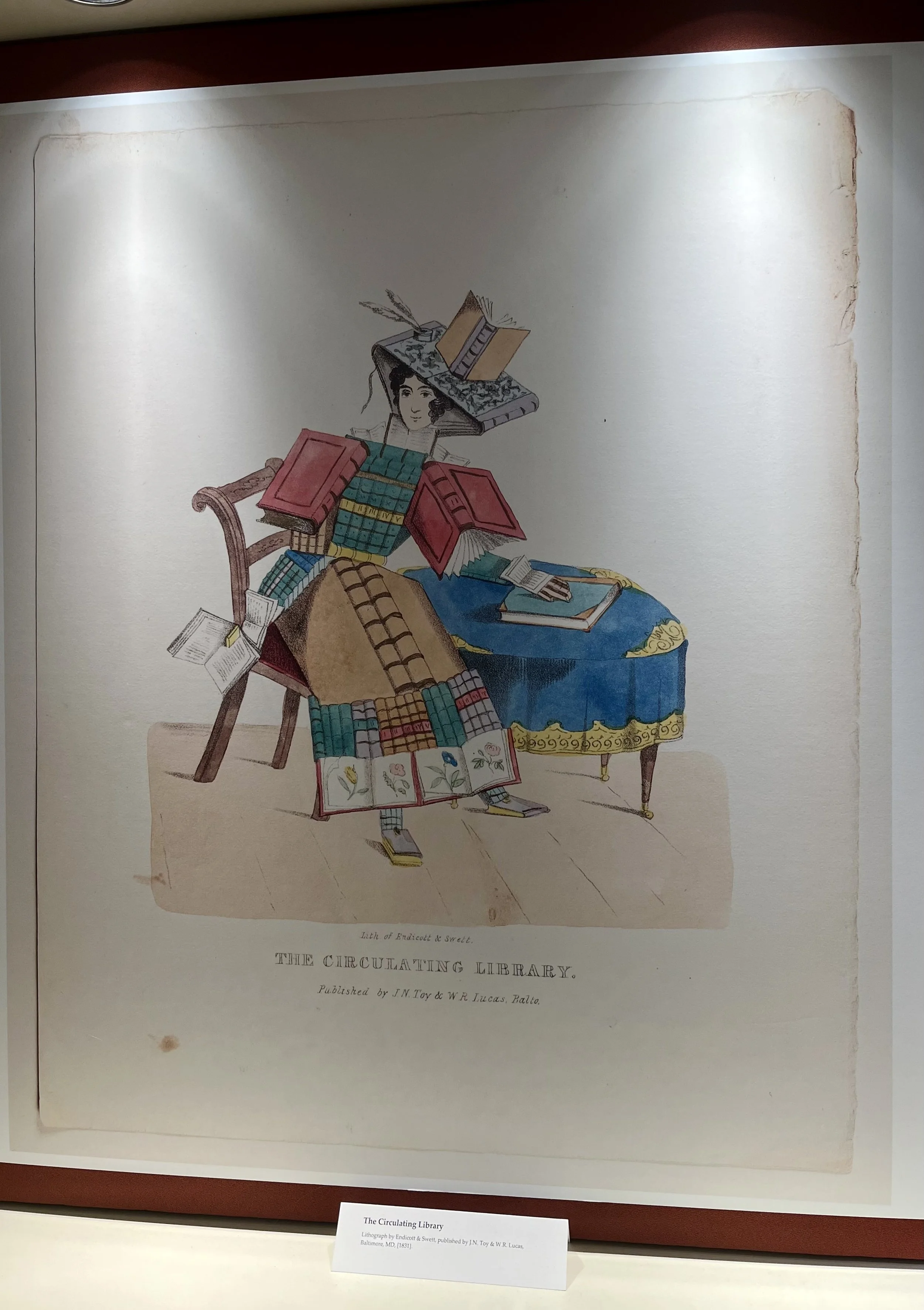
The print, “The Circulating Library,” is one you may have seen before in one of my posts, either here or on social media. It was one of several enlarged images from the collection that hang in the Introductory Gallery (the images change periodically).

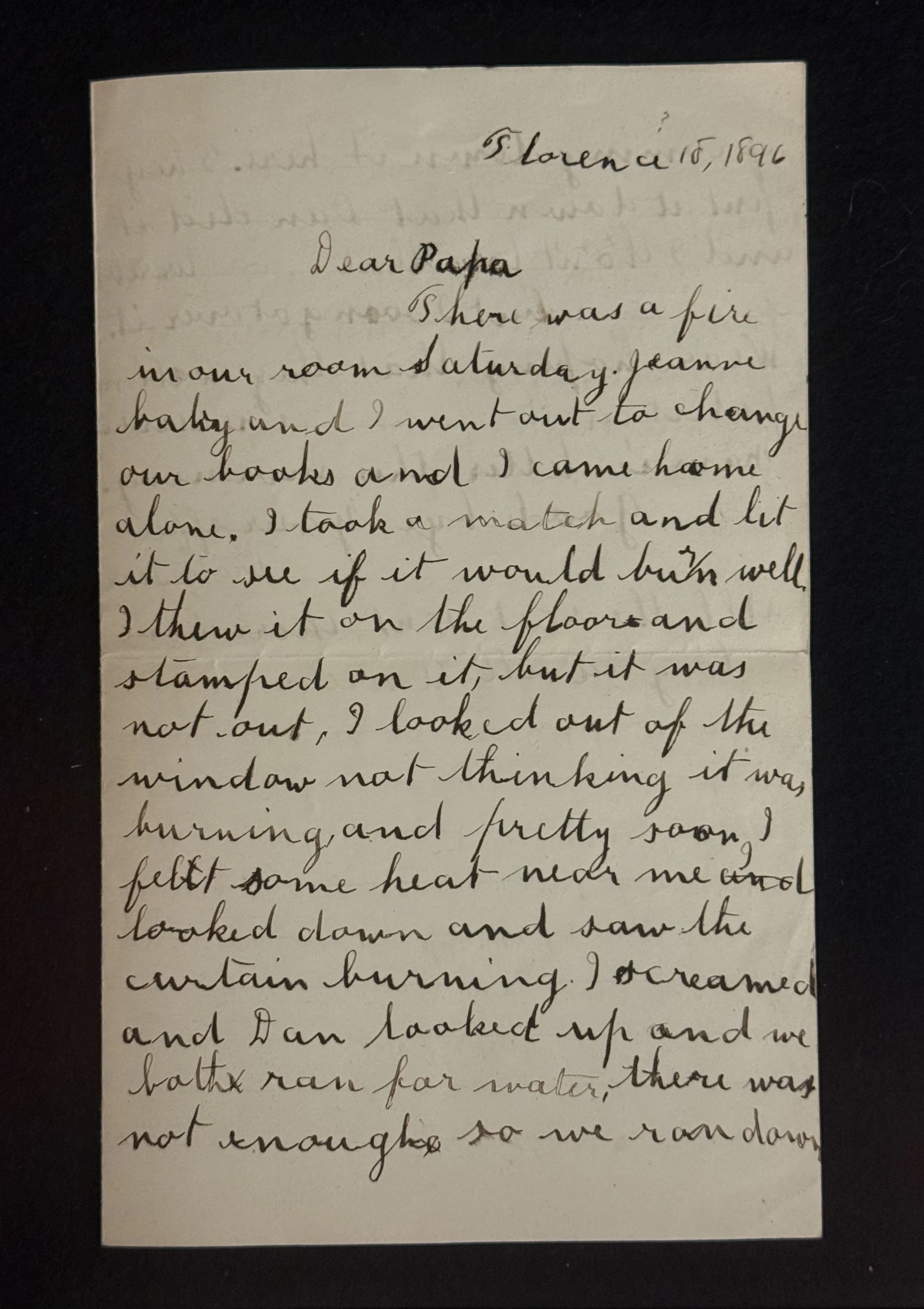
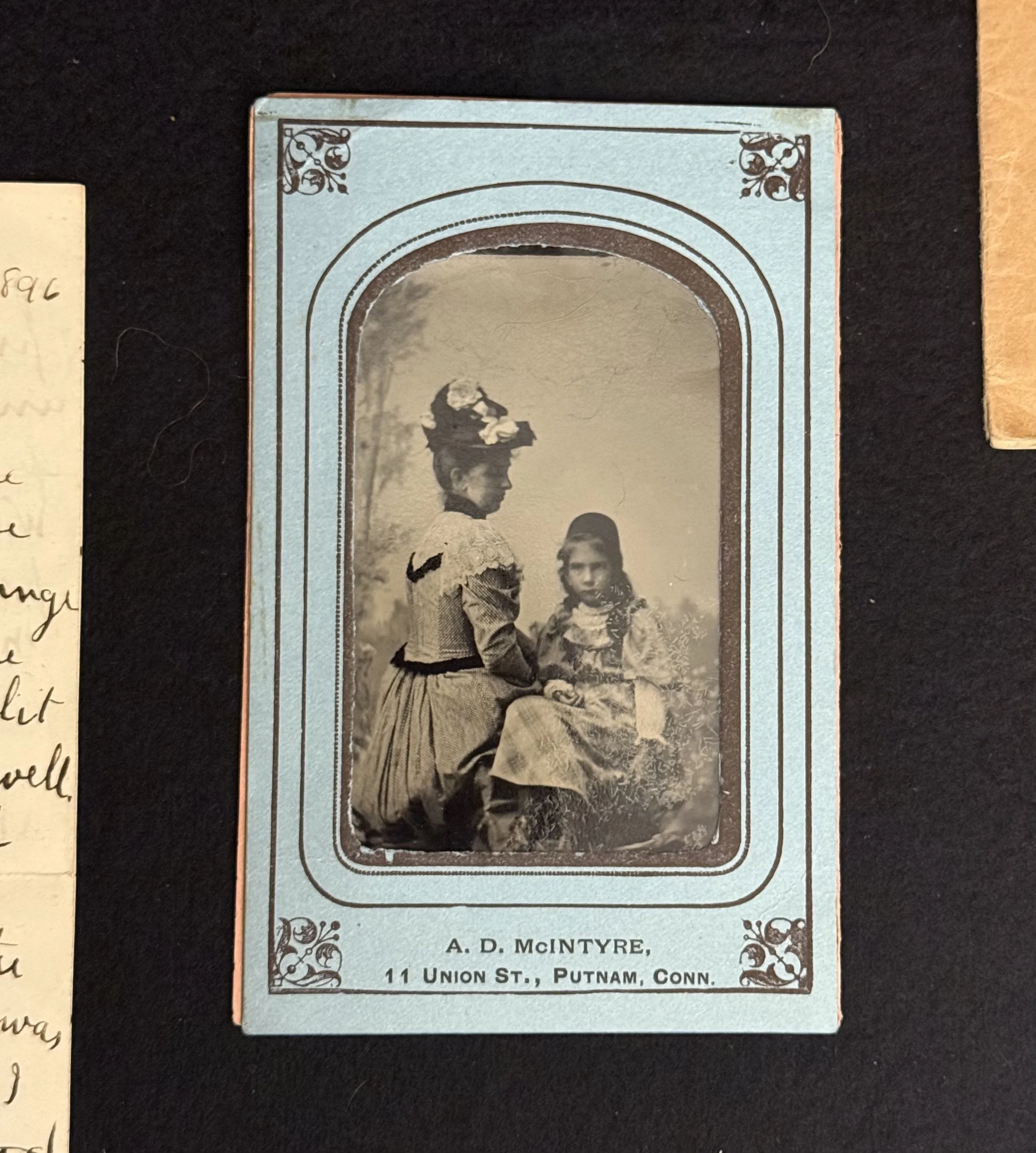
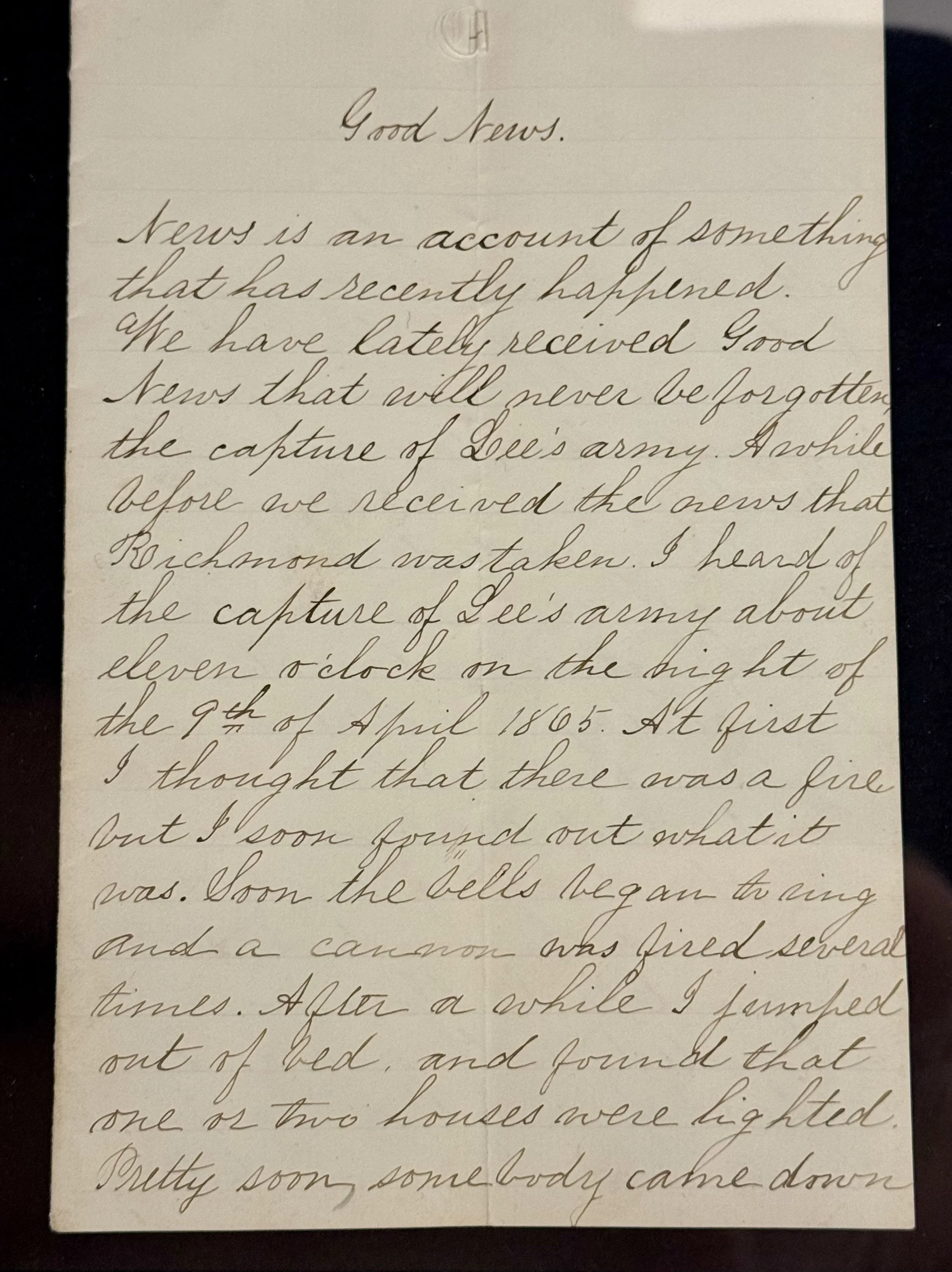
We saw a number of letters, but there wasn’t time to photograph all of them and their transcriptions. I chose these two because the subject matter was interesting: In one case, the writer has accidentally started a fire; the other reports the defeat of Lee’s army.

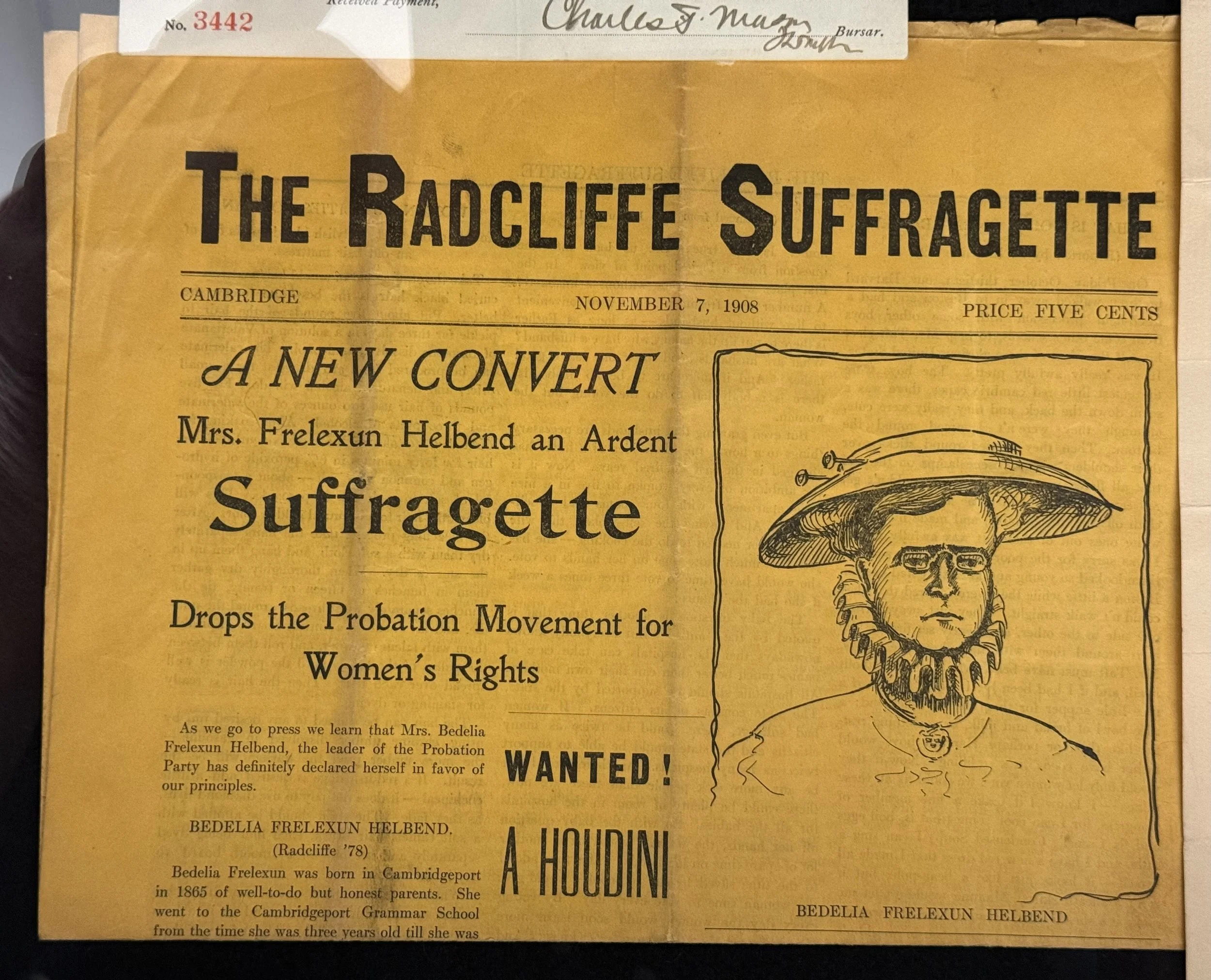
“The Radcliffe Suffragette” is a supposedly hilarious satire of the women’s suffrage movement.

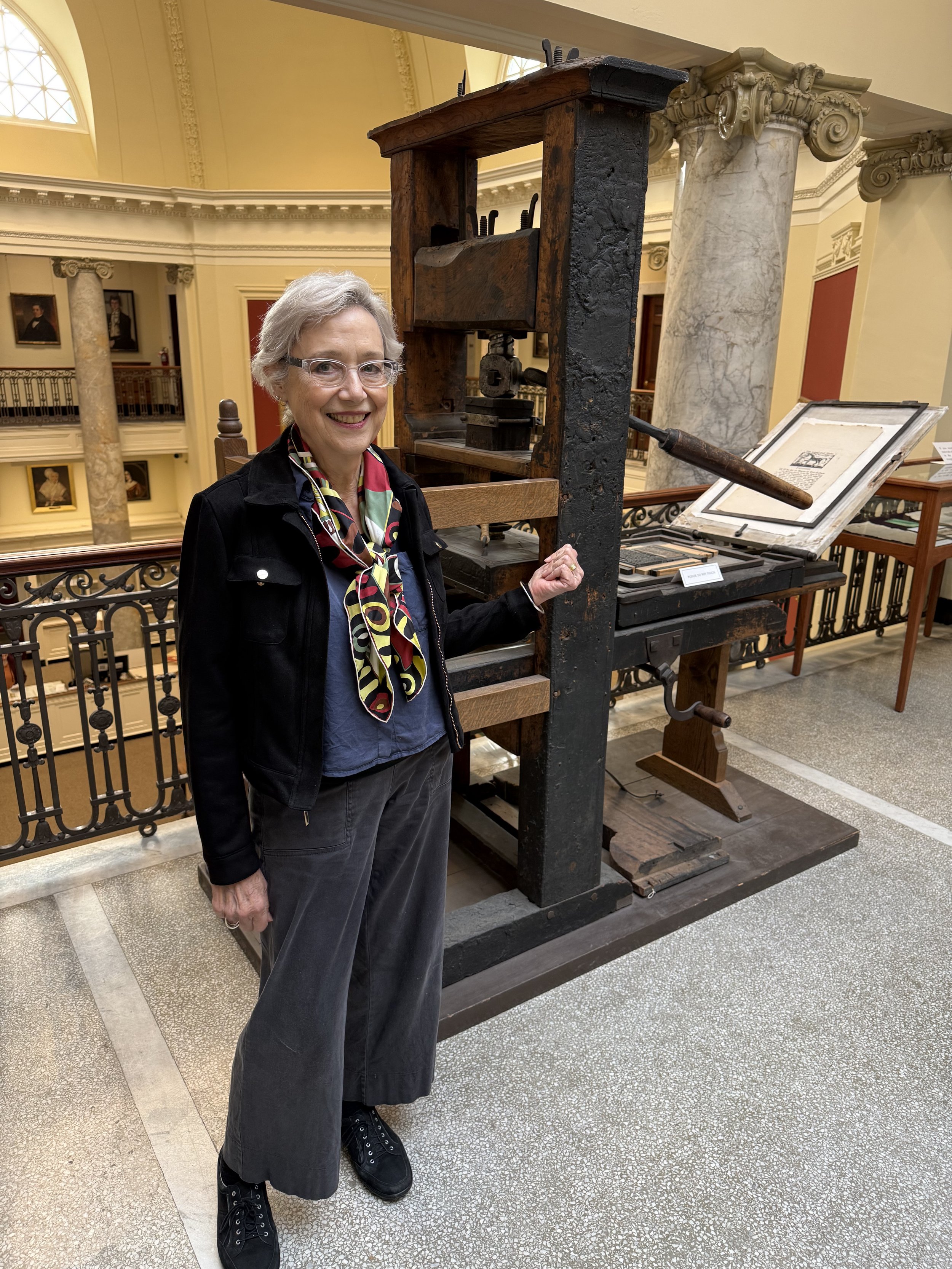
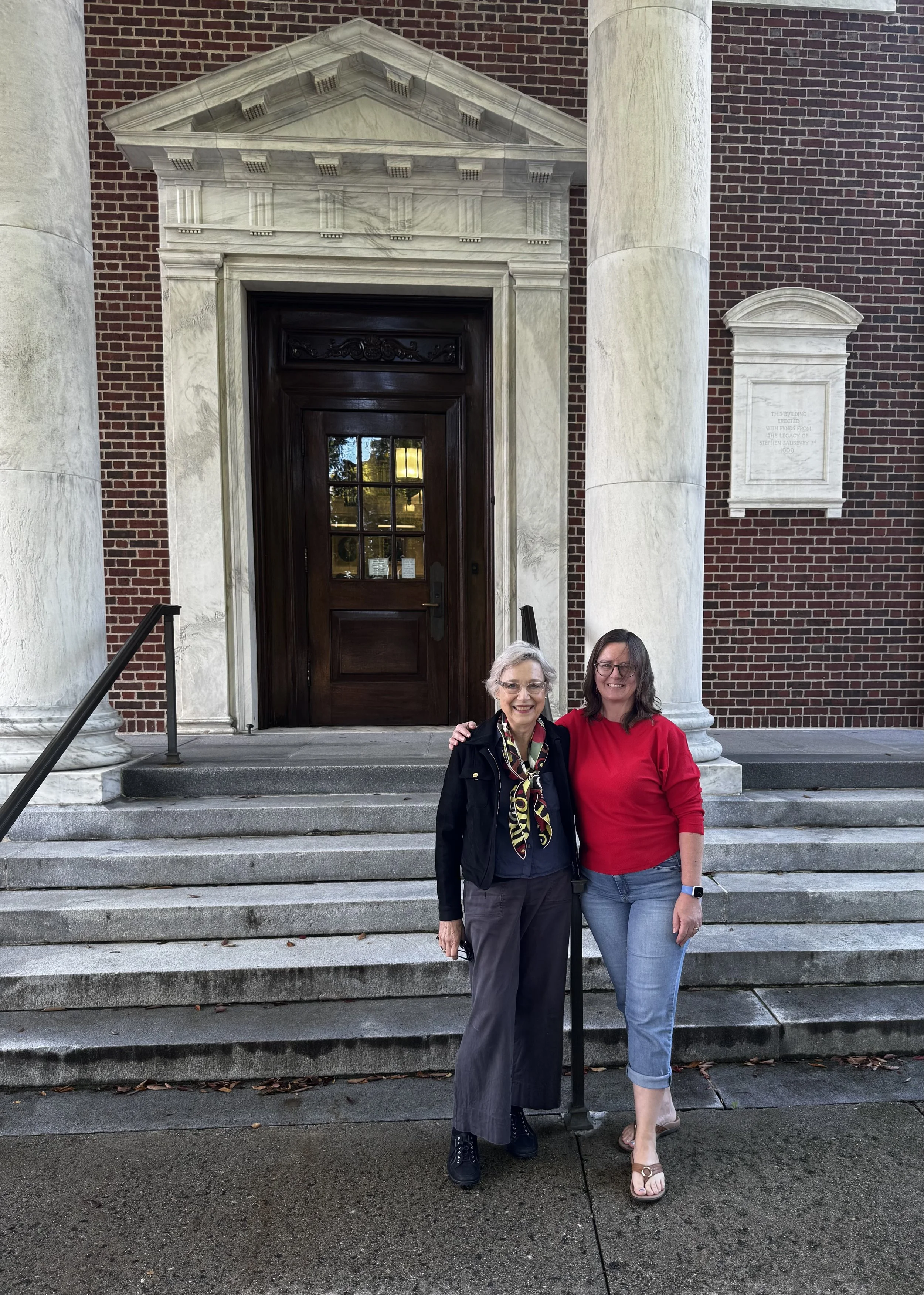
And, finally, the two authors at the front of the AAS.

The AAS offers free tours on Wednesdays at 3PM. Along with seeing the sorts of things we were able to photograph, you get to go behind the scenes, into the stacks, conservation area, and other parts of the AAS’s inner workings. Well worth a visit if you’re in the area. If you’re not, the website is a treat, with vast quantities of material online.
The Two Nerdy History Girls & the World of 1776—Now On YouTube

Clockwise from upper left: Loretta Chase, Meena Jain, Susan Holloway Scott

As always, Susan Holloway Scott and I had a wonderful time with Ashland (MA) Public Library Director Meena Jain. This time, the Two Nerdy History Girls did something a little bit different: We focused on Revolutionary War era America—and along the way, did some compare & contrast work with several topics. As you probably are well aware, everyday life in America, before as well as after the revolution, was different from life in England in many ways.

Susan has written several works of historical fiction focusing directly on Americans during the Revolutionary War era, whereas my focus has been early nineteenth-century England. Still, I’ve learned some things from my visits to Colonial Williamsburg, and this, I hope, helped me keep up with the questions.

For those who missed the conversation, or who’d like a rerun, here’s the YouTube link.

The hour went by quickly. Since some of the information might have slipped by the audience, and since I have (of course) more historical nerdy-ness to offer, below are some of the books mentioned as well as links to additional information.

Here are some of the 2NHG posts on pins:

Pins & Pinning

As Used by Jane Austen: Pins, the Regency Post-It

A Young Woman Dresses for Day, c. 1775

Colonial Williamsburg offers many videos about life in 1700s America.

If you want to learn more about Colonial fashion, a number of videos show how clothing was made and how people dressed.

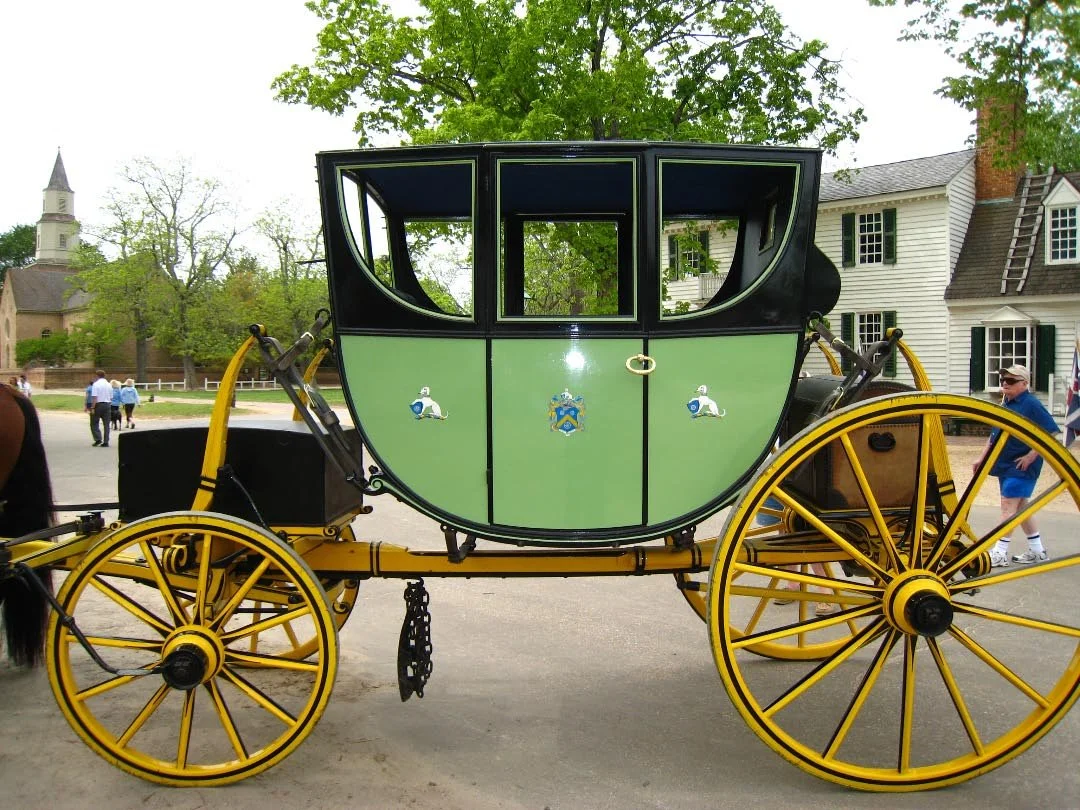
Coach at Colonial Williamsburg

When we discussed transportation, I referred to an early 19th century book, The Traveller’s Oracle (2 volumes), which covers, apparently, every detail of traveling in England in the 1820s. By this time, England had vastly improved its roads, with a corresponding increase in inns, but the basic principles would apply to most people traveling via horse or carriage.

Meet me in Cambridge? And/or online?

My friend Megan Frampton has a new book coming out in August, and author Felicia Davin and I will be in Cambridge to help celebrate. This is a rather early invitation because space is limited, and these events tend to sell out quickly.

Demons and Diplomacy, the first book in Megan’s Ministry of Supernatural Affairs romantasy series, comes out on on 25 August, but I got an early copy, which I’m about to dive into. Queen Victoria as a vampire? I can’t wait to find out all about it.

Megan Frampton’s latest, Demons & Diplomacy

Details, details: 7 PM - 9 PM / Wednesday 26 August 2026 / Lovestruck Books & Cafe / Cambridge, Massachusetts

This link will give you all the information. Or you can cut & paste this:

https://www.eventbrite.com/e/demons-and-diplomacy-release-party-with-megan-frampton-tickets-1992417562564

In Other News

TWO NERDY HISTORY GIRLS, AGAIN.

Forty-eight-shilling note, issued November 17, 1776, engraved, Boston: Paul Revere. American Antiquarian Society

Historical fiction author Susan Holloway Scott and I return as the Two Nerdy History Girls this coming Monday, courtesy the Ashland (Massachusetts) Public Library. We’ll be talking about everyday life in 1776, when things changed on this side of the pond.

Details, details: 7-8pm Monday 13 July 2026 via Zoom

To find out all about it and register, please follow this link. Or you can cut and paste:

https://ashlandmass.assabetinteractive.com/calendar/virtual-celebrating-americas-250th-the-two-nerdy-history-girls-discuss-everyday-life-in-1776/

REGENCY FICTION WRITERS ANNUAL VIRTUAL CONFERENCE

Though the official Regency was quite short, 1811-1820, we members of the Regency Fiction Writers take the longer view of most social historians, setting the time from the late Georgian to the early Victorian periods, 1780-1840. Among other excellent offerings, the RFW organizes a three-day annual conference for a remarkably low fee—and they’ve extended early registration to 11 July.

The conference is virtual. You never have to leave the comfort of your favorite screen-viewing area. You don’t have to worry about missing overlapping sessions. You learn things from a stellar line-up of workshop presenters. Also, it’s fun. It’s open to members and non-members (but members get the lower rate, as you’d expect). If you’re writing or thinking about writing fiction set in this era, do consider joining the group. But if you’re not sure about joining just yet, maybe try the conference?

James Pollard, Arrival of the Stage Coach

Details, details: Regency Fiction Writers 2026 Virtual Conference / 30 July – 1 August 2026

You can learn more by following the link above, or by cutting and pasting this link:

https://regencyfictionwriters.org/events/conference/

Image credits: 1. The Crystal Palace in Hyde Park for the Grand International Exhibition of 1851, courtesy Wikimedia. 2. Megan Frampton event, image courtesy Megan Frampton and Lovestruck Books & Cafe. 3. Forty-eight shilling note issued November 17, 1776, engraved, Boston: Paul Revere, courtesy American Antiquarian Society. (“By July 1775, the Provincial Congress of Massachusetts recognized the urgent need for paper money in multiple denominations to support trade and to pay obligations during the Revolution. They commissioned Boston silversmith and engraver Paul Revere (1735-1818) to design and produce the plates. He was paid £8 for engraving the plates and just over £41 for printing the 37,040 bills in the issue. His original design featured a figure holding the Magna Carta—a symbol of traditional rights—but for the November 17, 1776, issue, Revere revised the image to show the figure holding a document labeled “Independance,” a misspelled reflection of the colony’s embrace of the Declaration of Independence adopted that July.”) 4. James Pollard, “The Arrival of the Stage Coach,” 1816, from Thomas Cook, “The Autobiography of a Stage Coachman” (1861).