

I returned to Colonial Williamsburg recently to attend a symposium on historical dress titled “Well Suited: The Work of the Tailor (1640-1840).” We had a full house, and no wonder. While we have abundant historical information (though never enough) about women’s clothing, men’s is trickier. For one thing, while men did have some fashion magazines, they were by no means as numerous as women’s. Also, not as much men’s clothing seems to have survived. This may be because, as one speaker noted, men’s clothing tended to be worn until it fell apart.
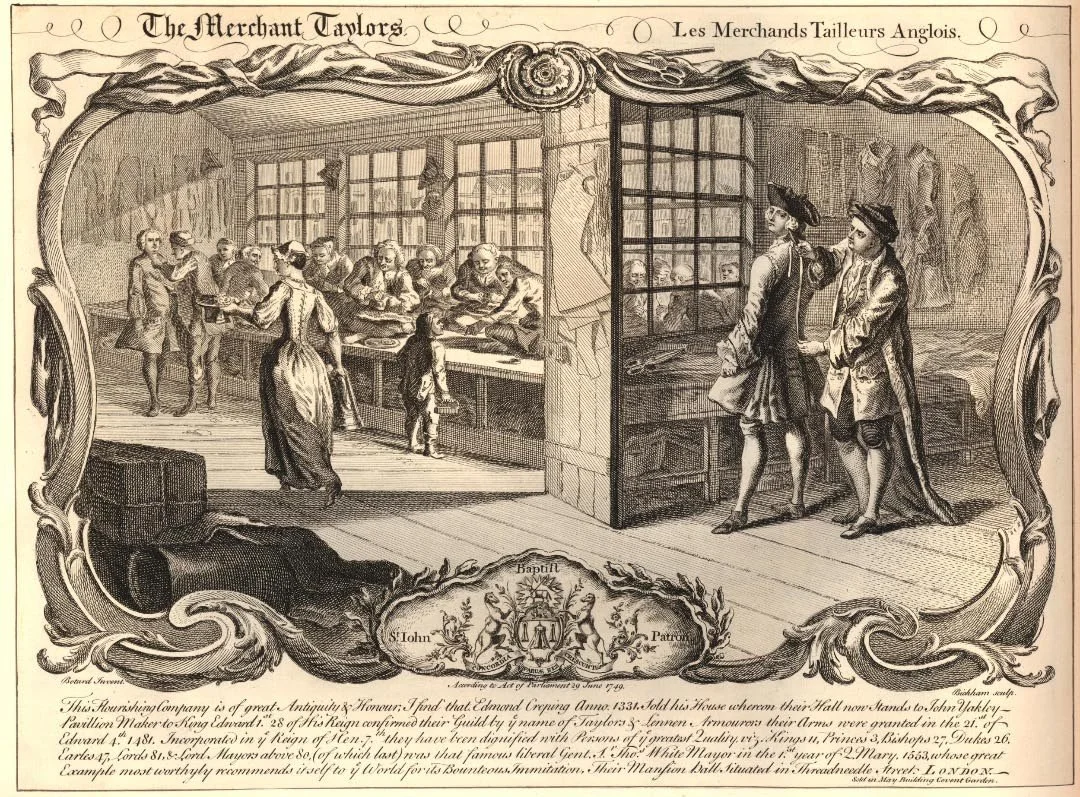
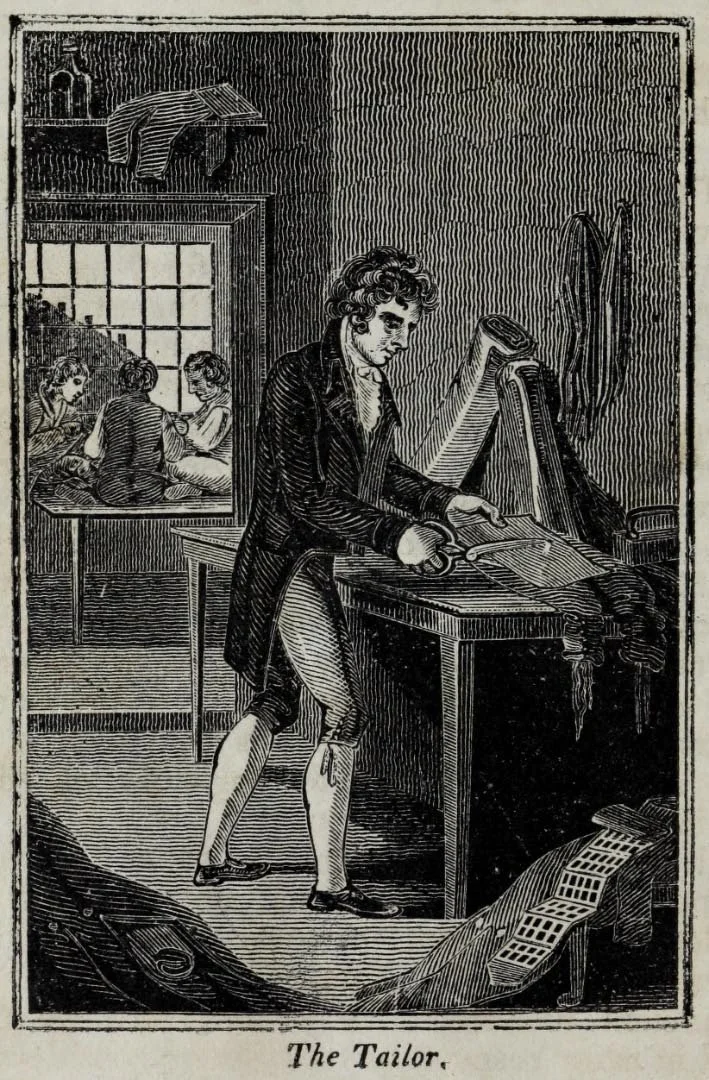
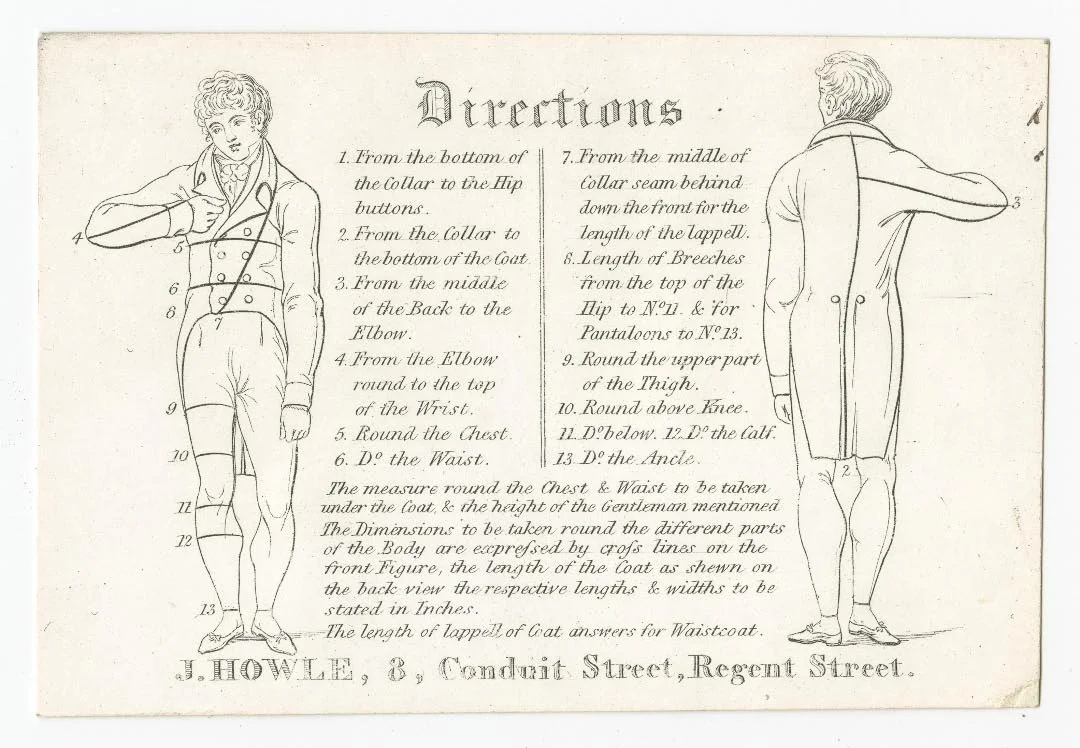
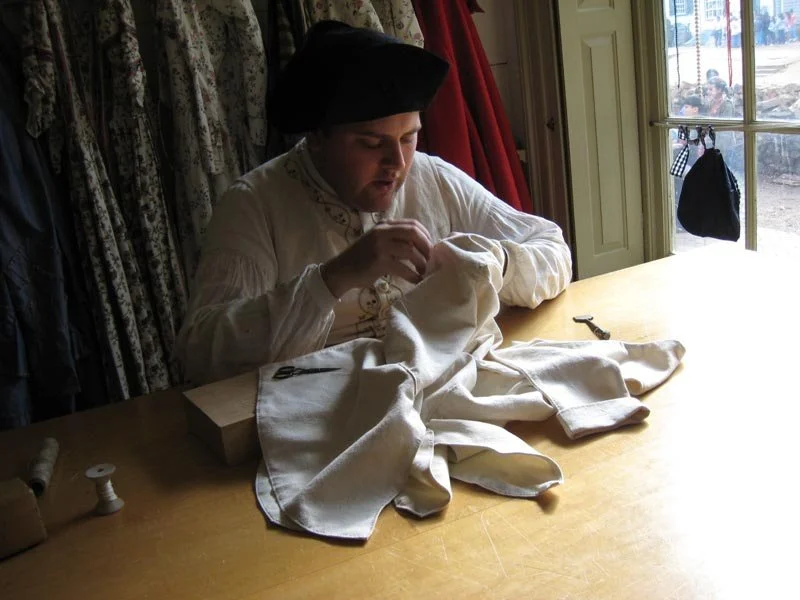
While I can’t share the lectures with you, I can offer a few bits of information. Measurements were taken on strips of paper. No numbers. What the tailor did was make little snips on the paper—arrow shapes or diamonds or whatever his personal code was, with each set of snips telling him where the measurement was taken.* Then the tailor made his own pattern, based on the snips, and cut accordingly. Then it was all sewn by hand, in astonishingly tiny stitches.
The photos below are from long ago visits to Colonial Williamsburg, but they do tell the story.
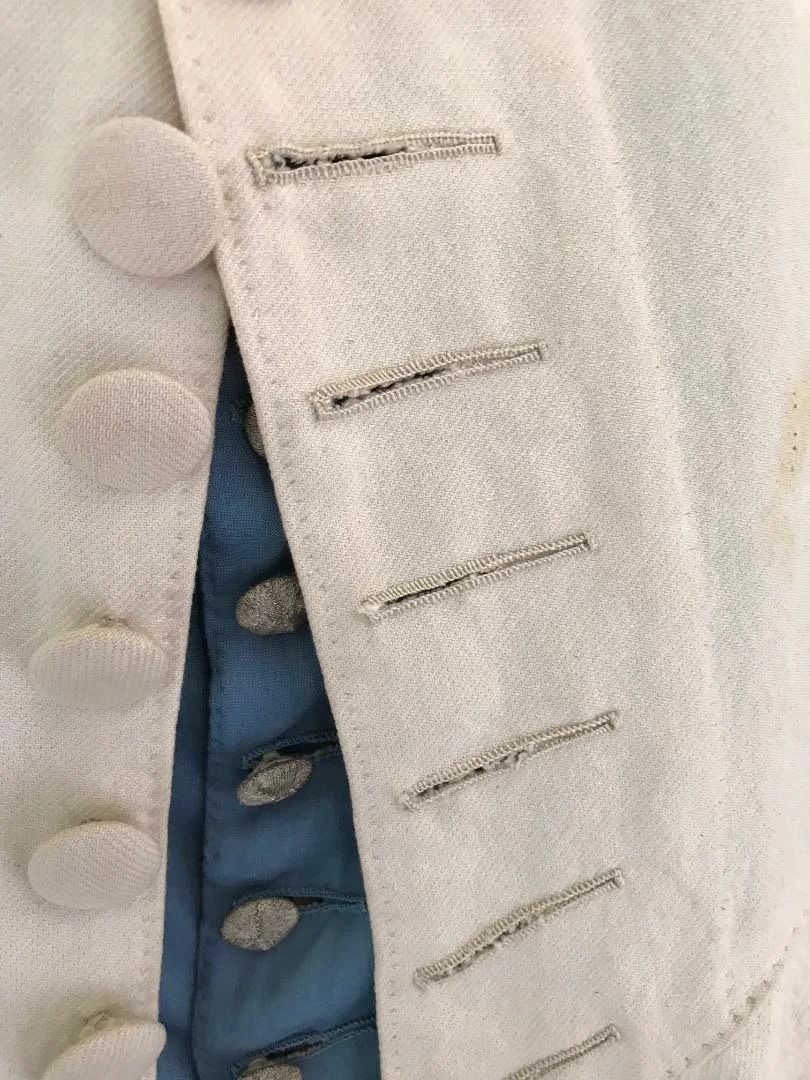
What I can share with you are articles of clothing from Mary Doering’s collection of historical clothing. CW have offered three exhibitions in a rotation, partly to show more of the collection, but also to reduce the fragile garments’ exposure to light, among other things. Thanks to the symposium, I was able to see and photograph (actually, my husband did nearly all the photography) the third and last exhibition.
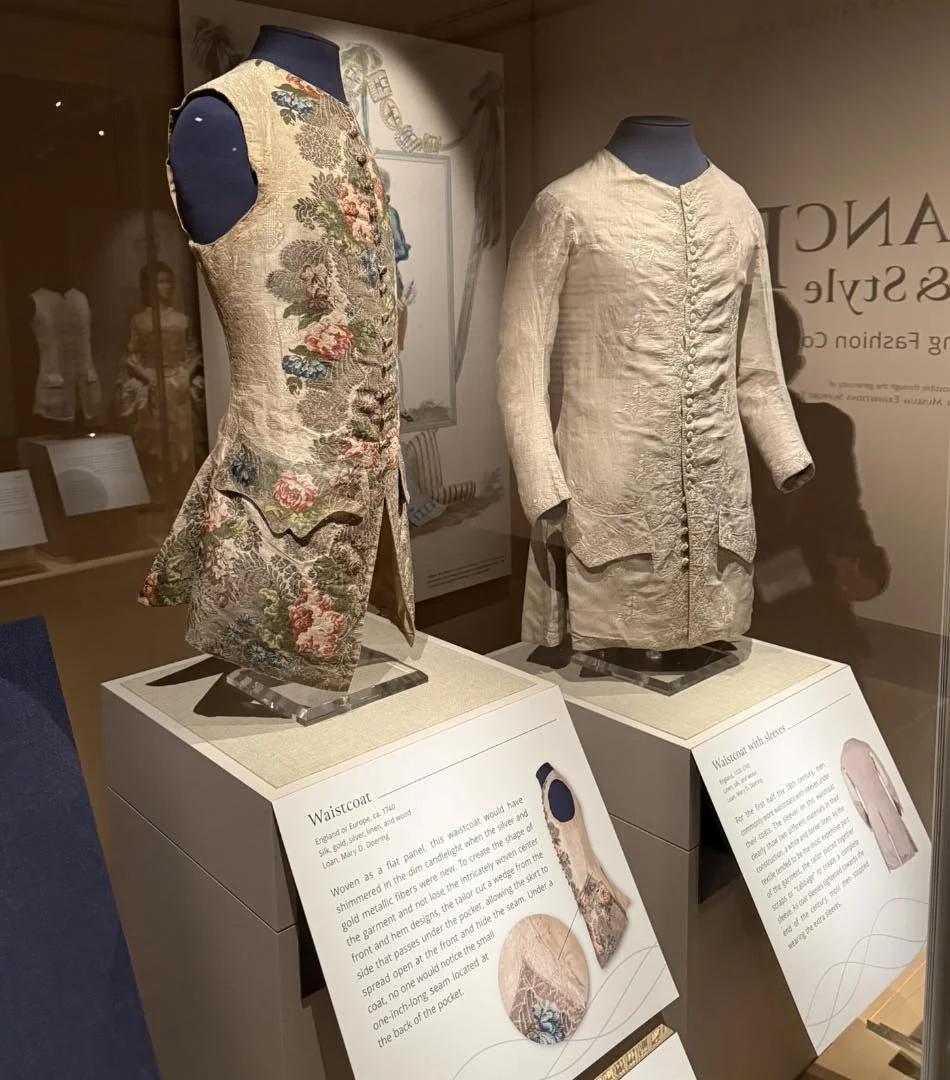
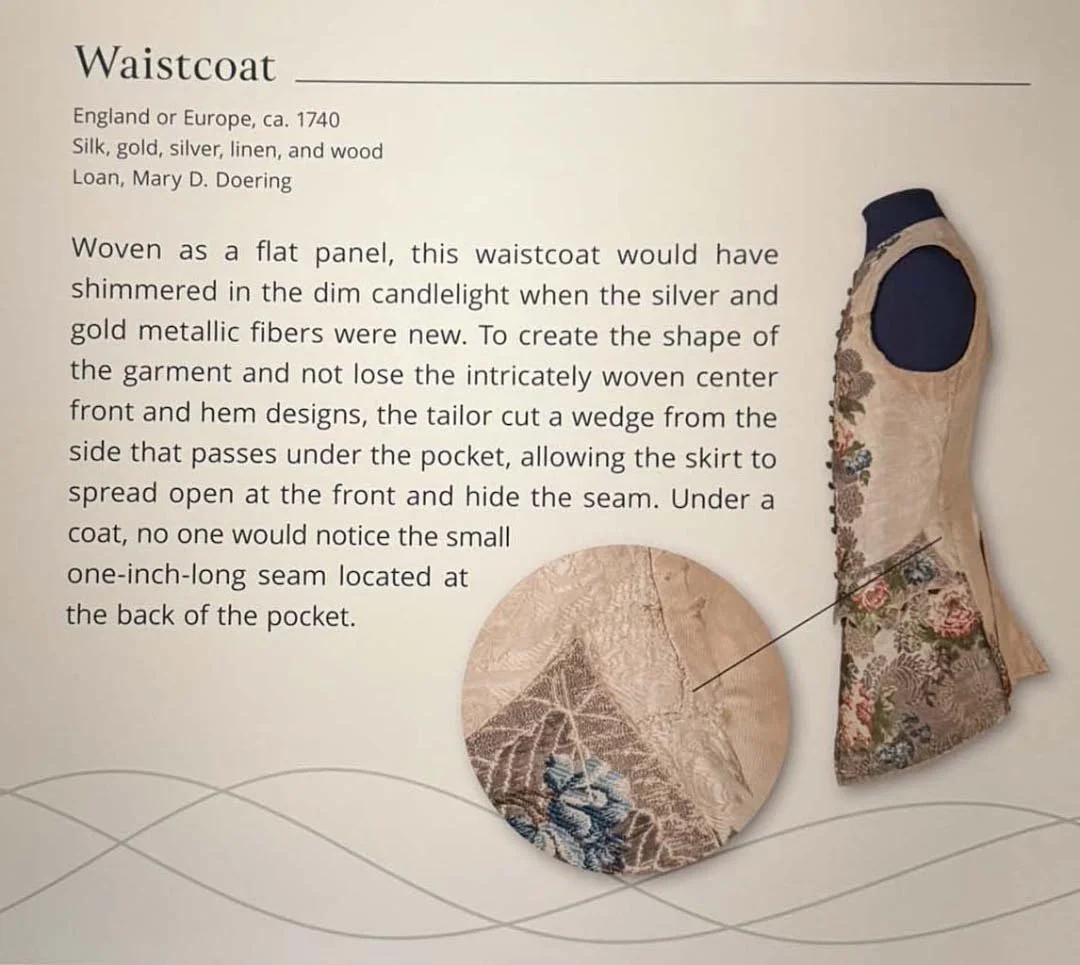
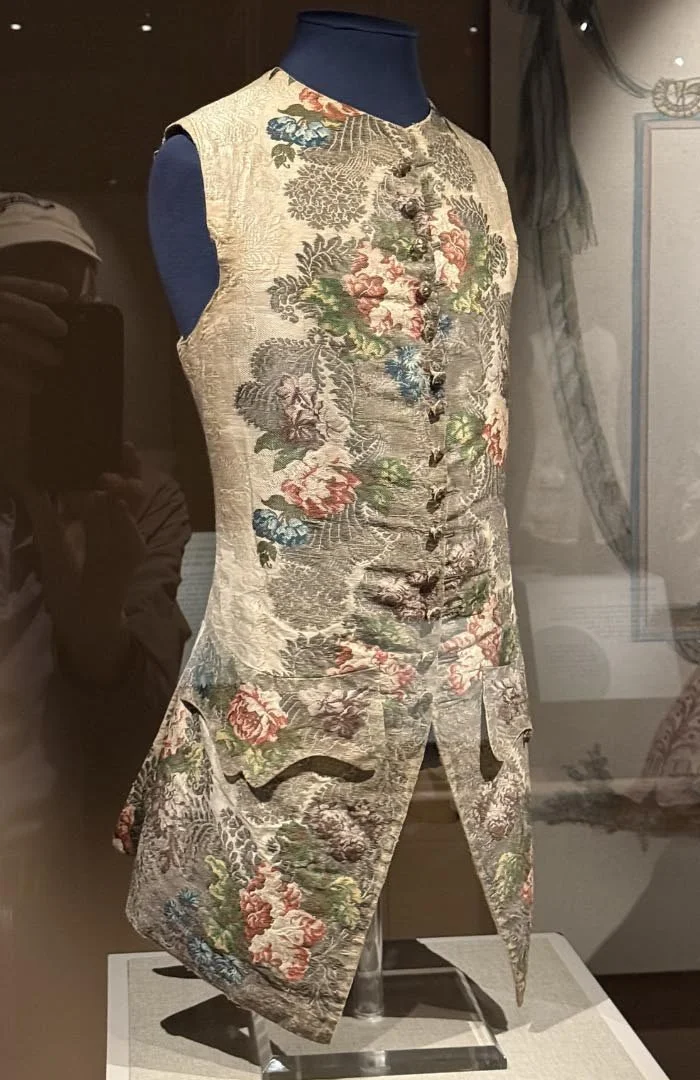
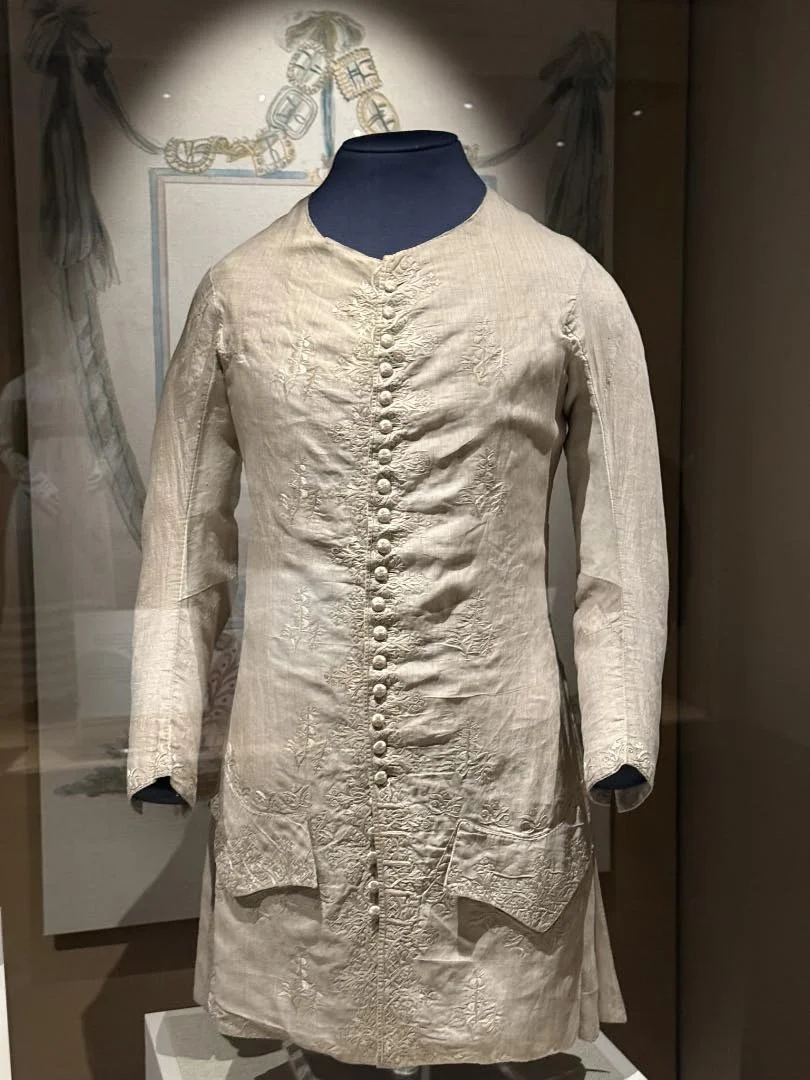
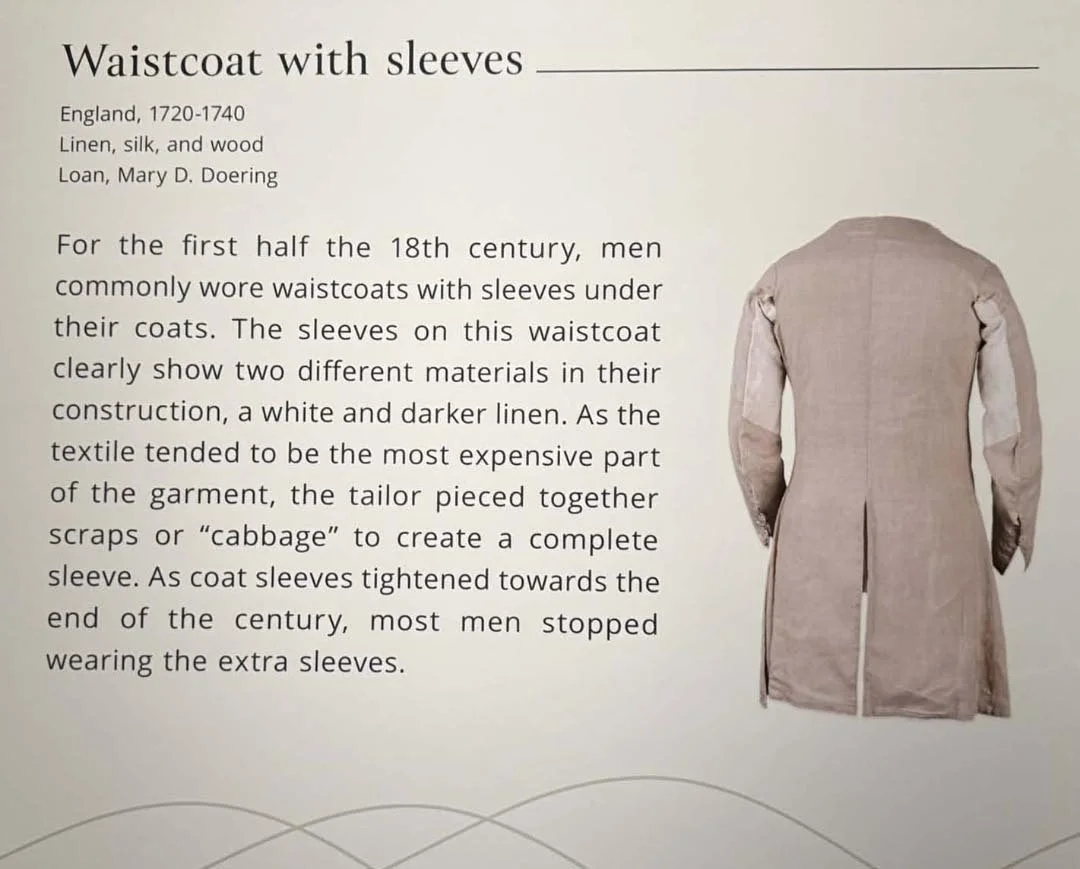
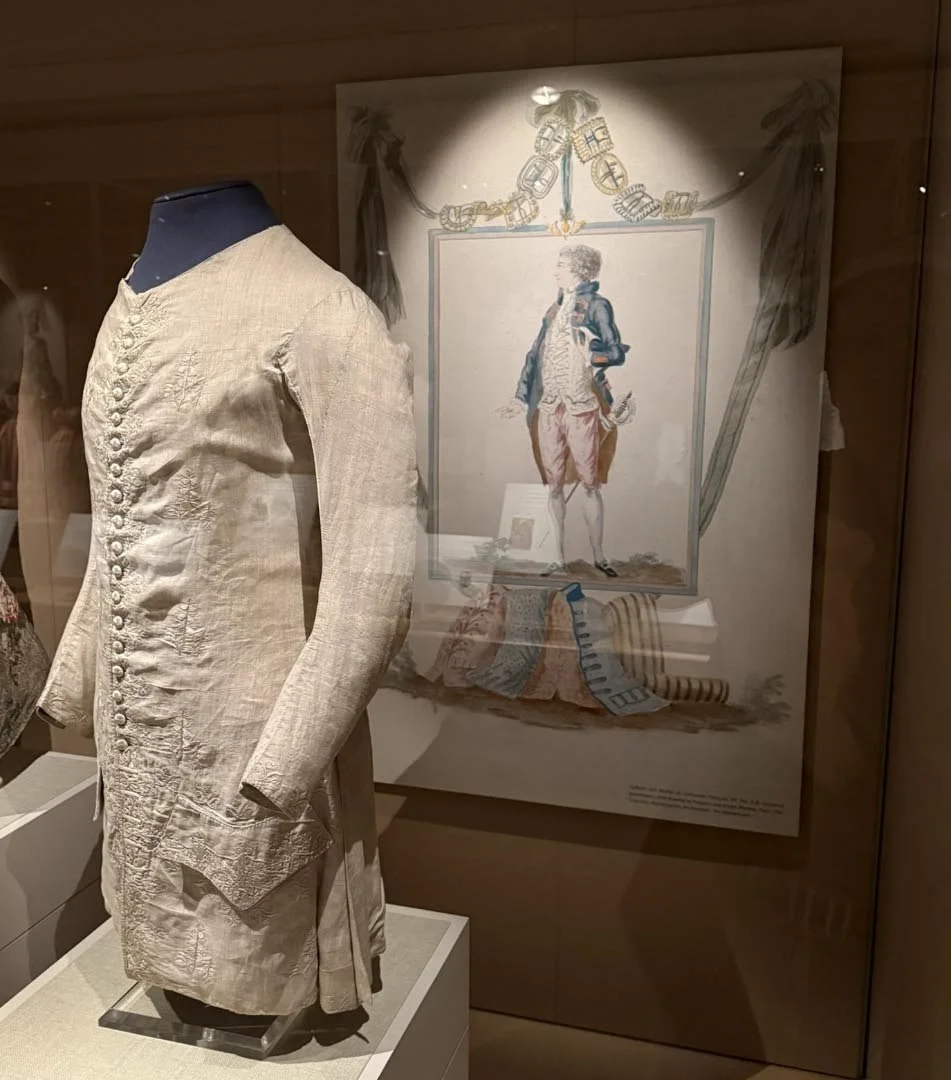
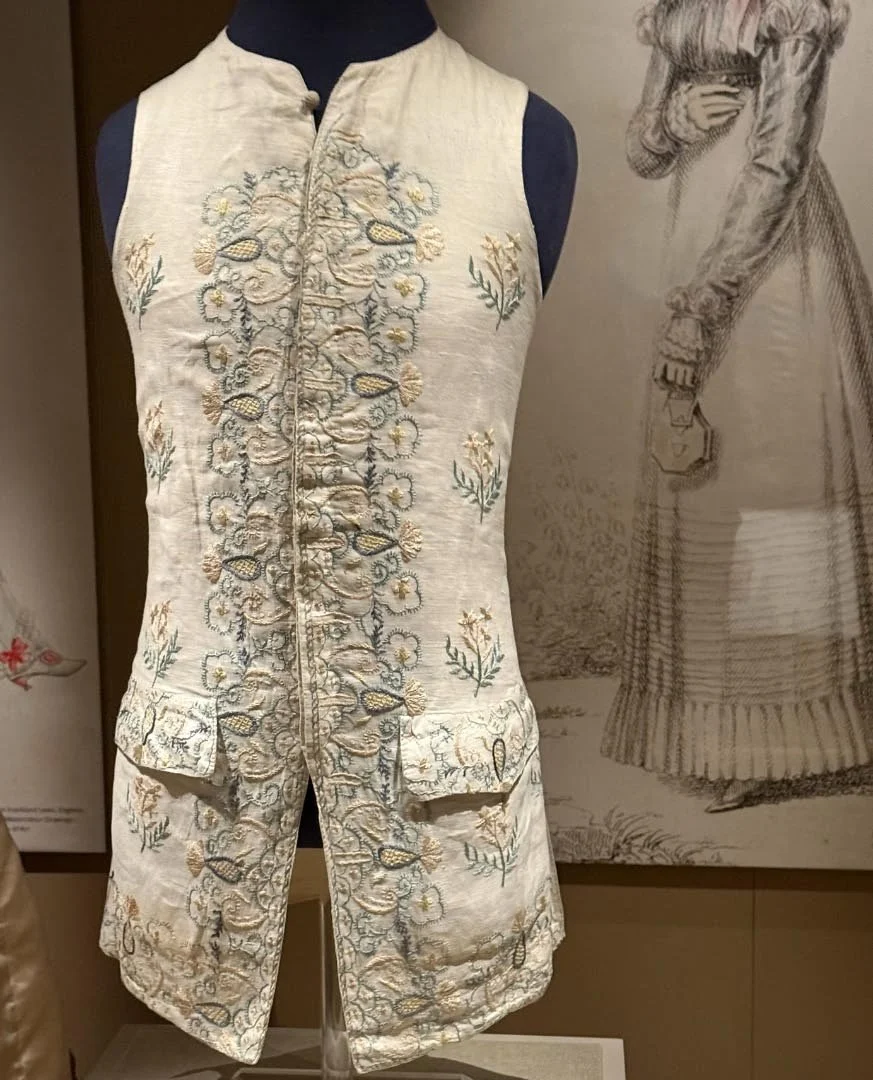
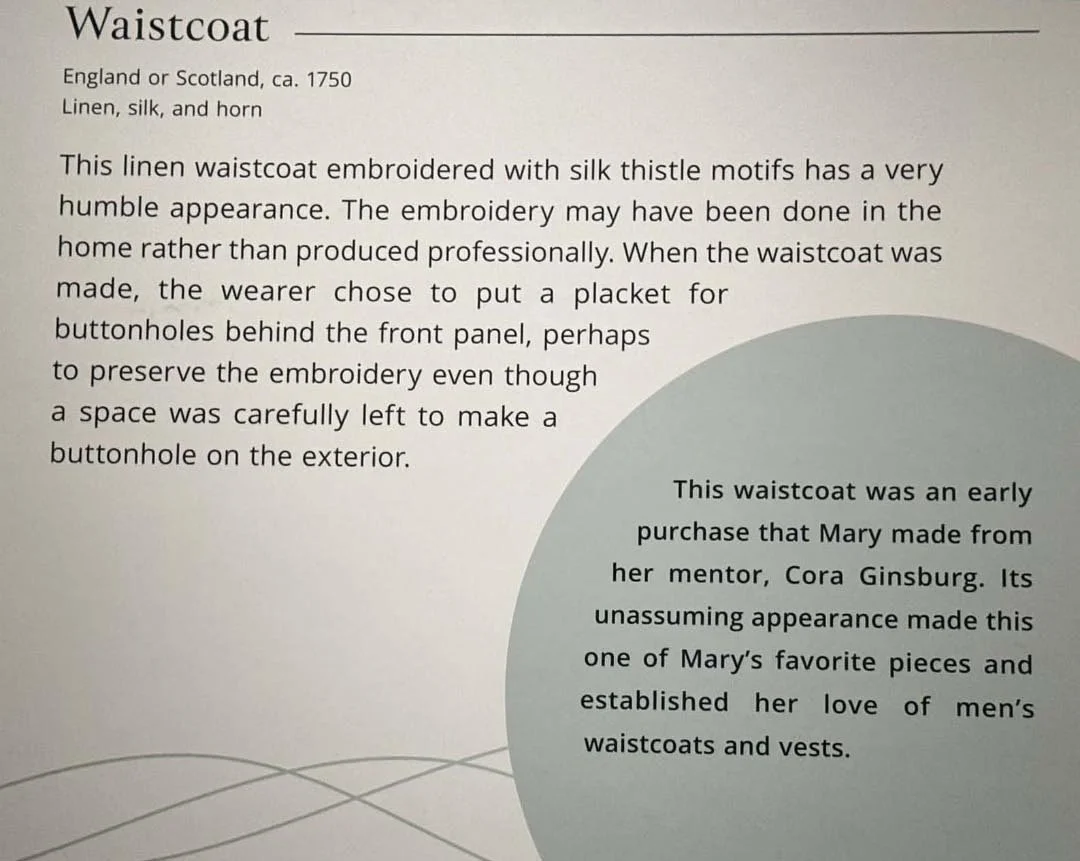
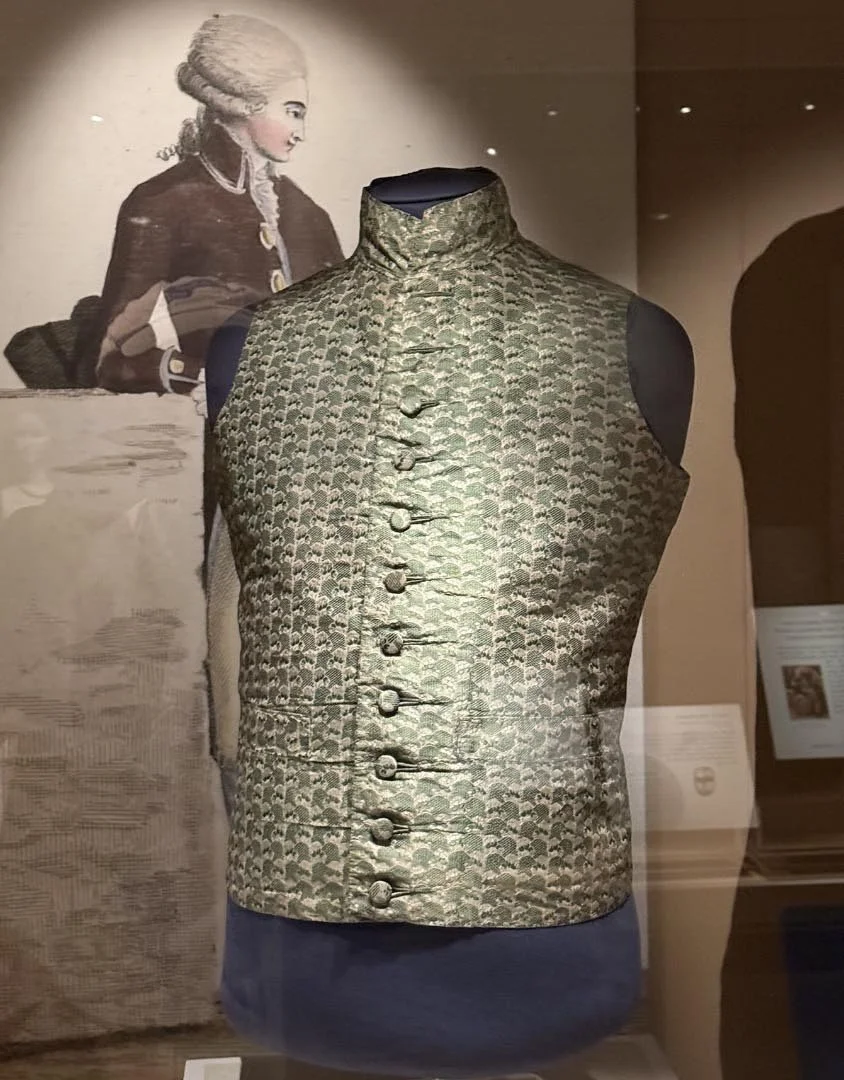
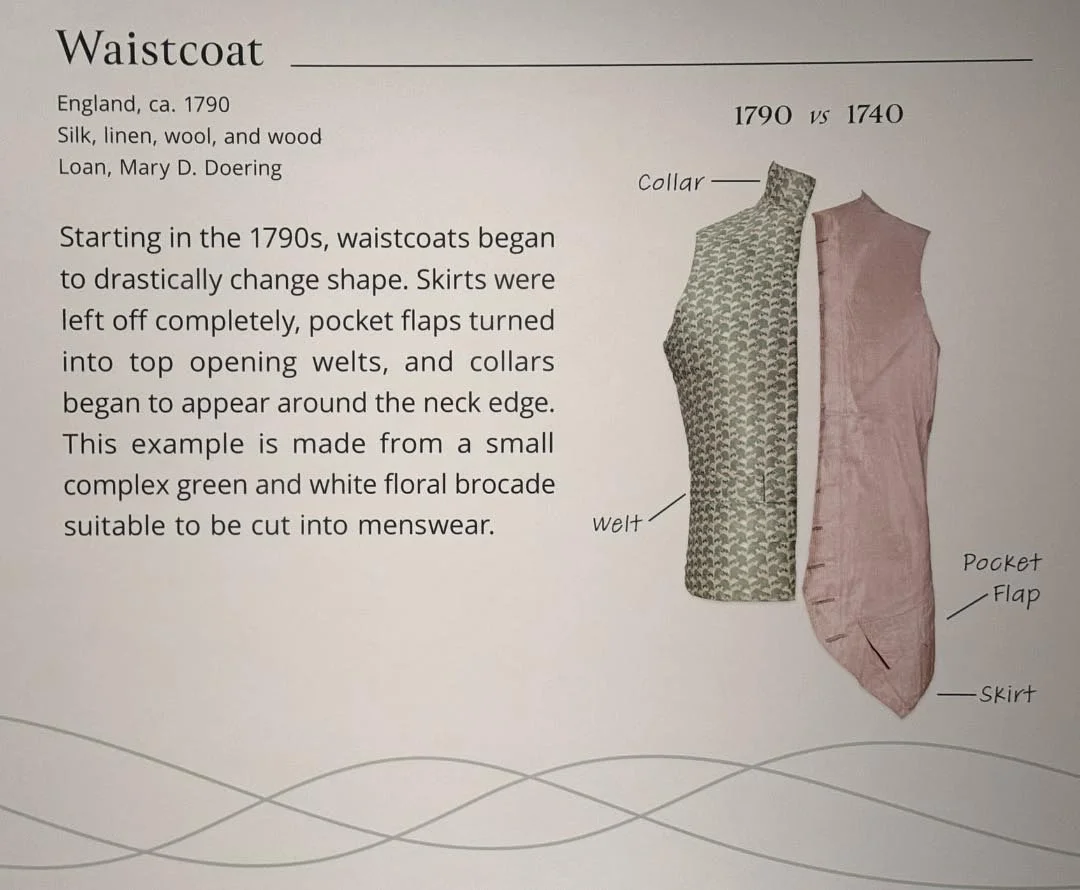
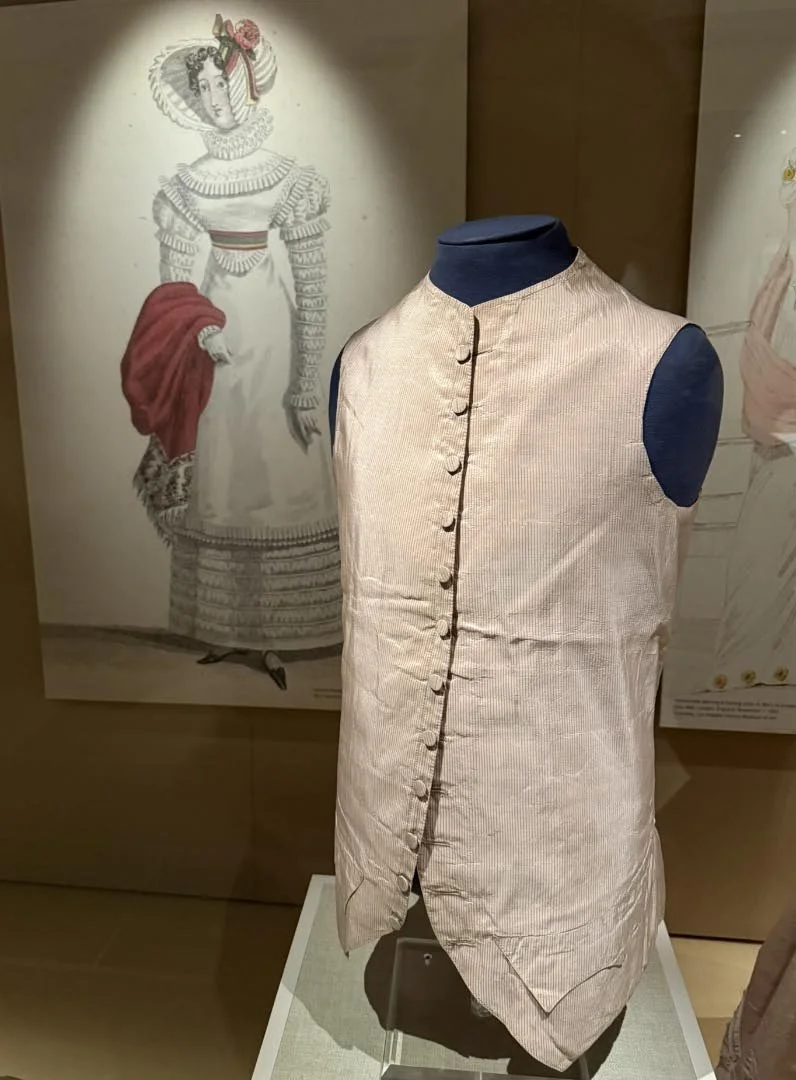
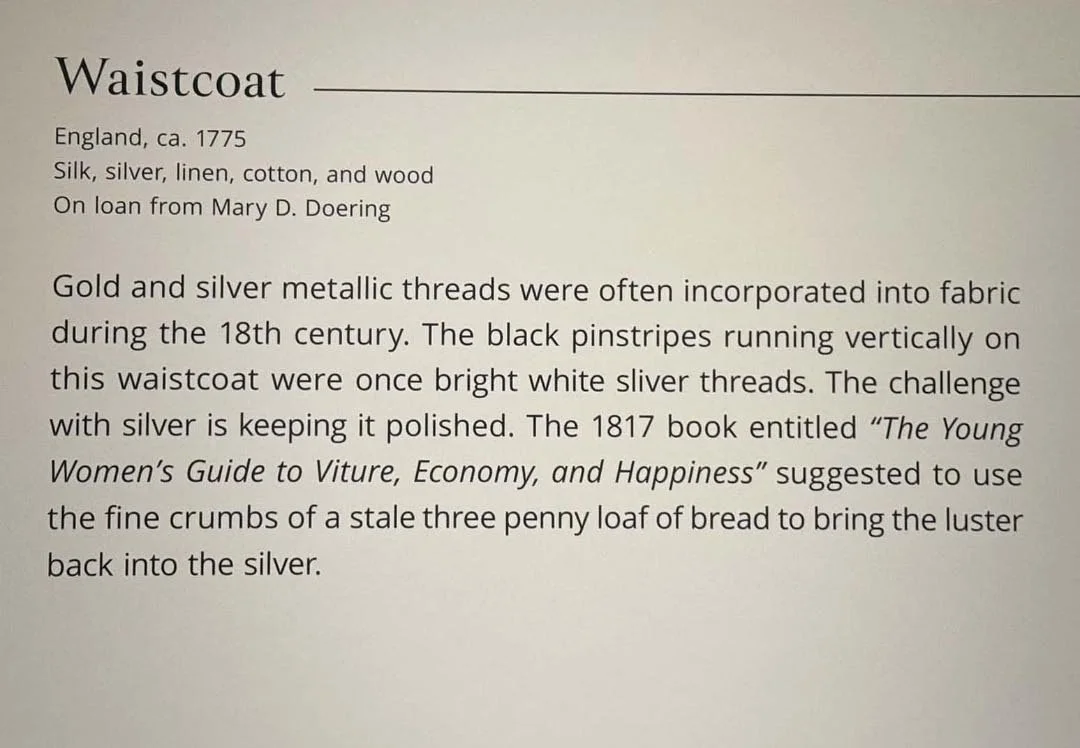
As you might expect in a show of garments like these, some more than 250 years old (!!), light levels are kept low. Meanwhile, one is photographing through glass. Still, these will give you an idea. While most of the objects are on loan from Mary Doering’s collection, you can certainly view other items from CW’s vast collection online.
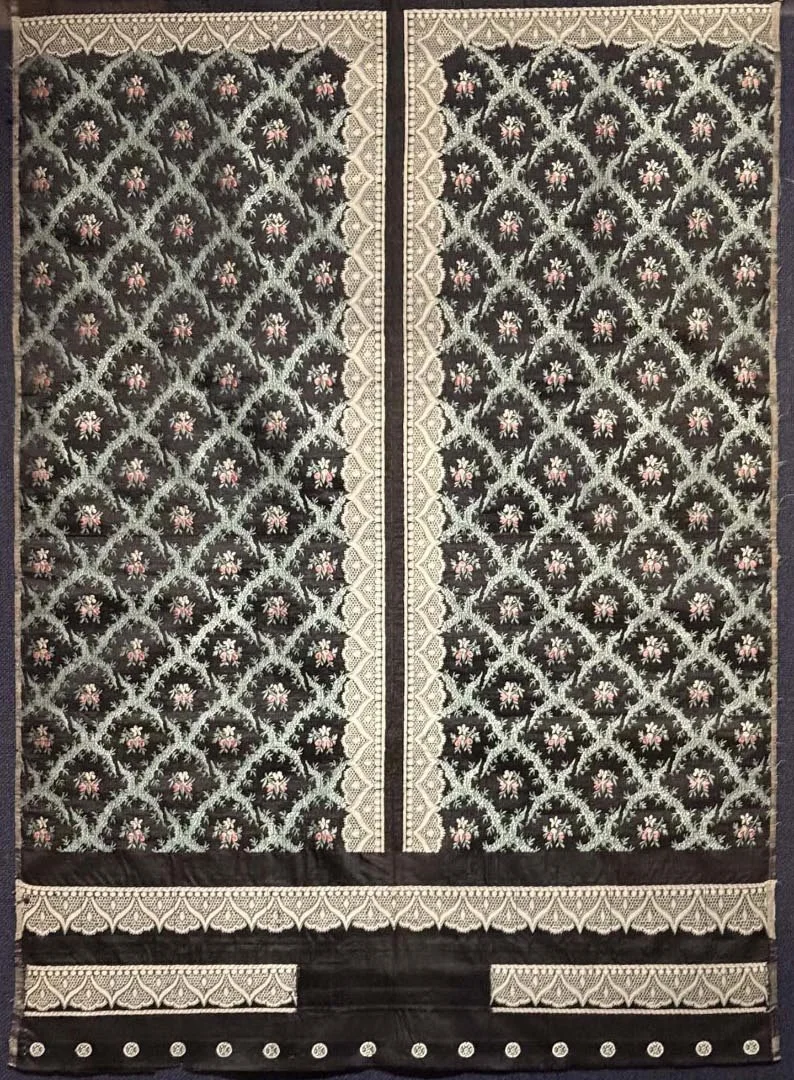
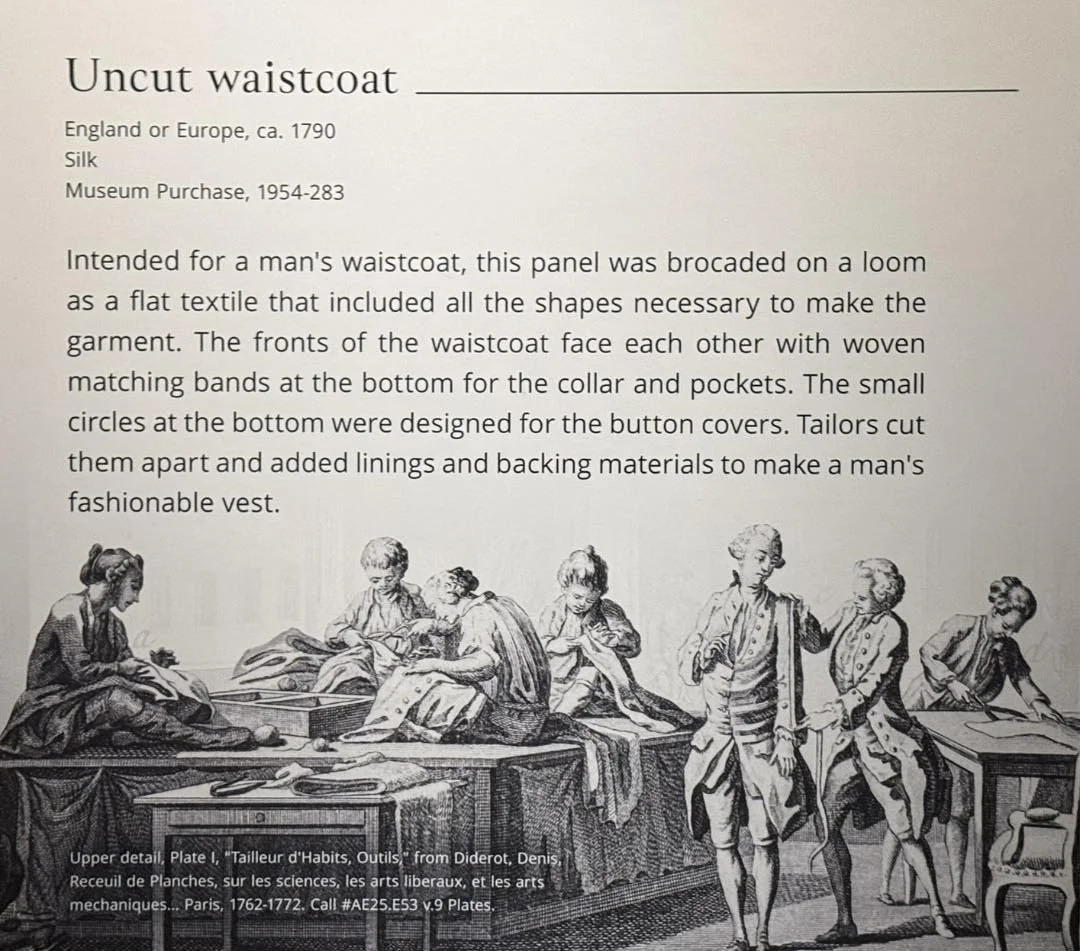
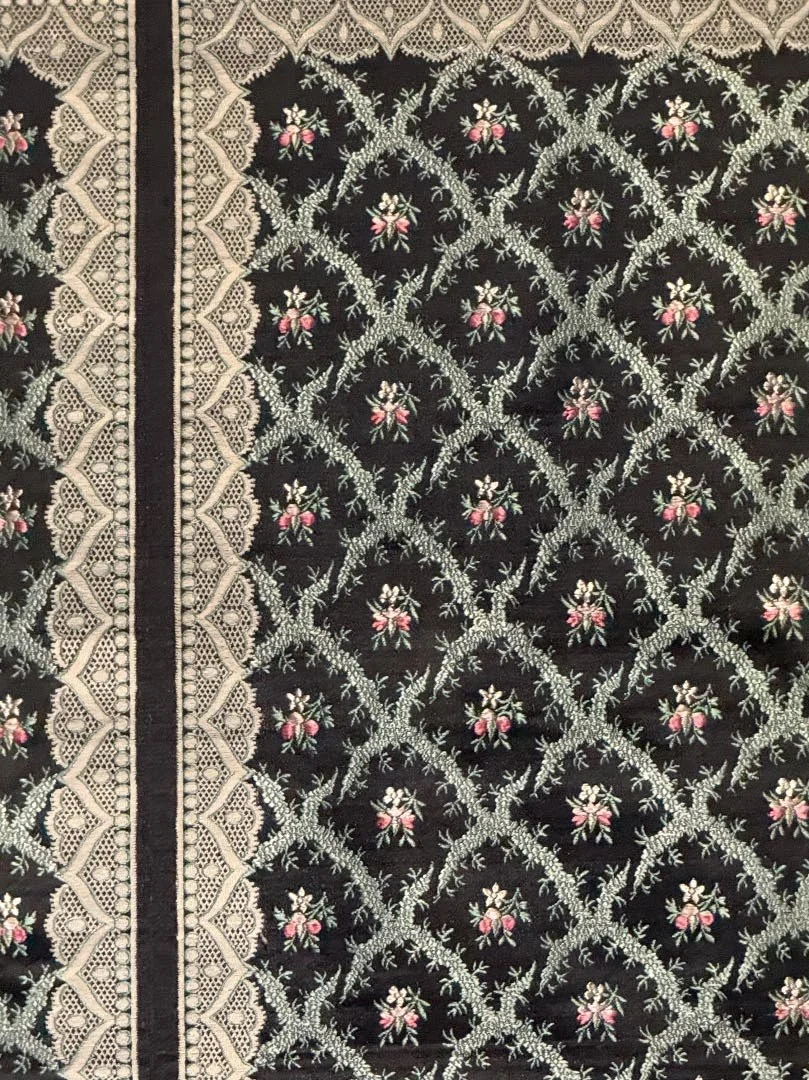
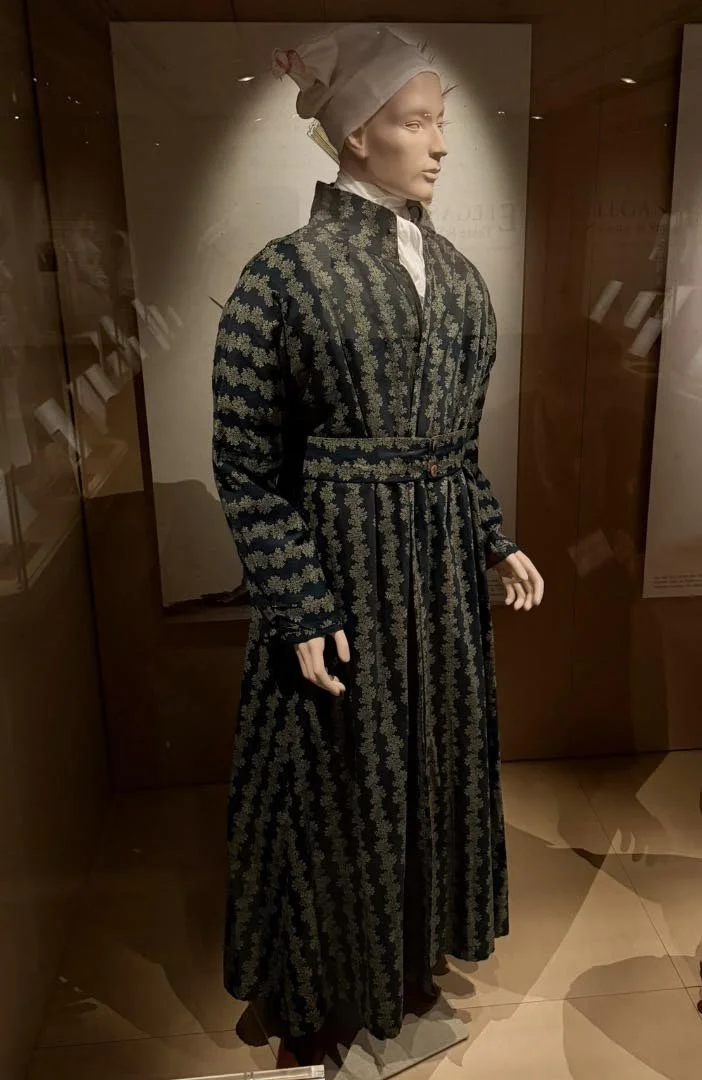
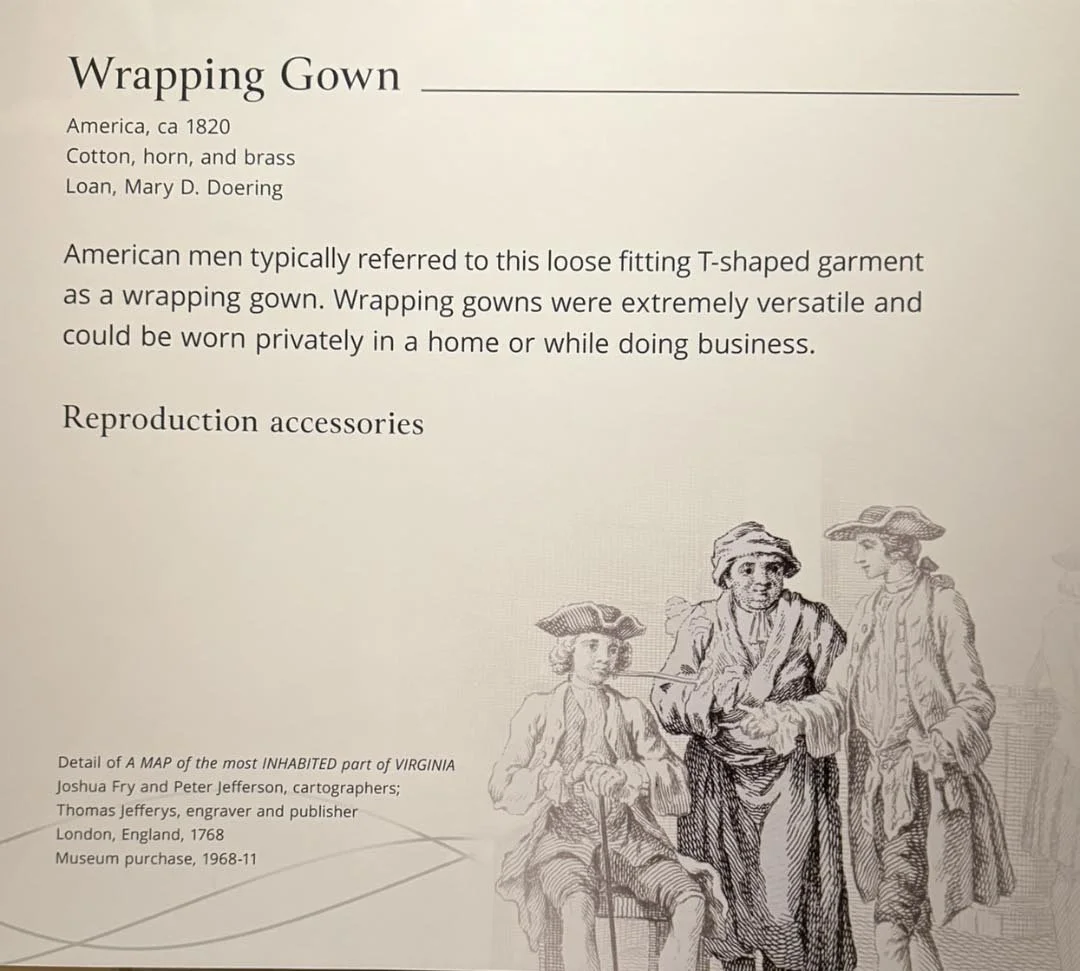
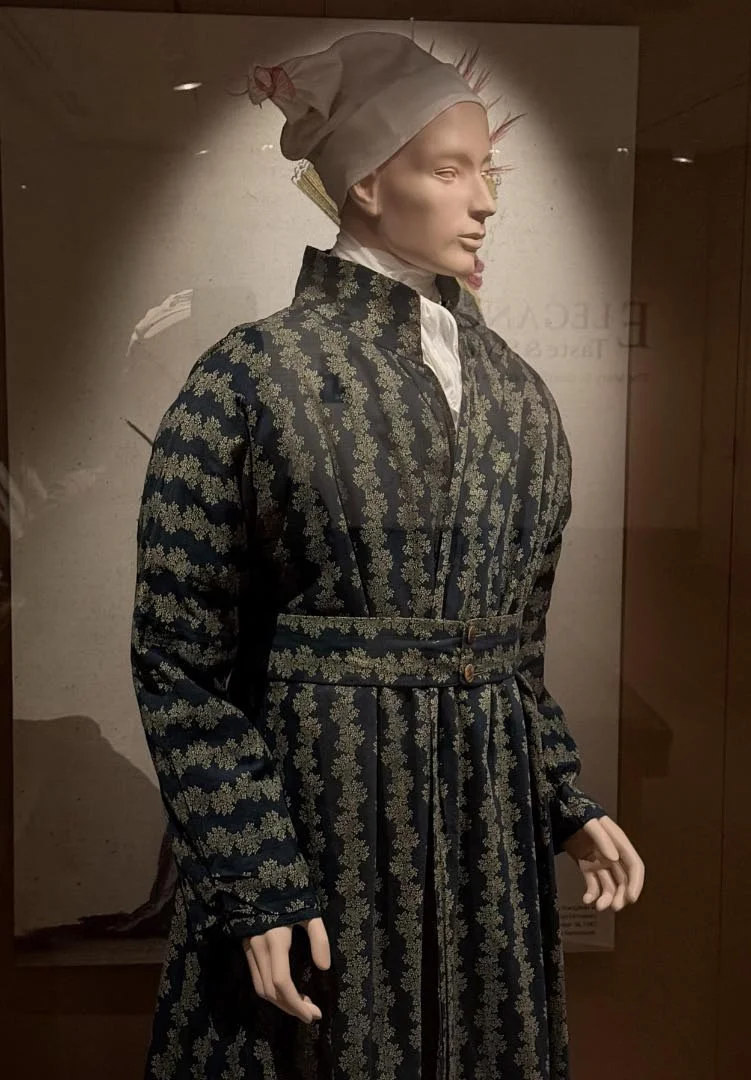
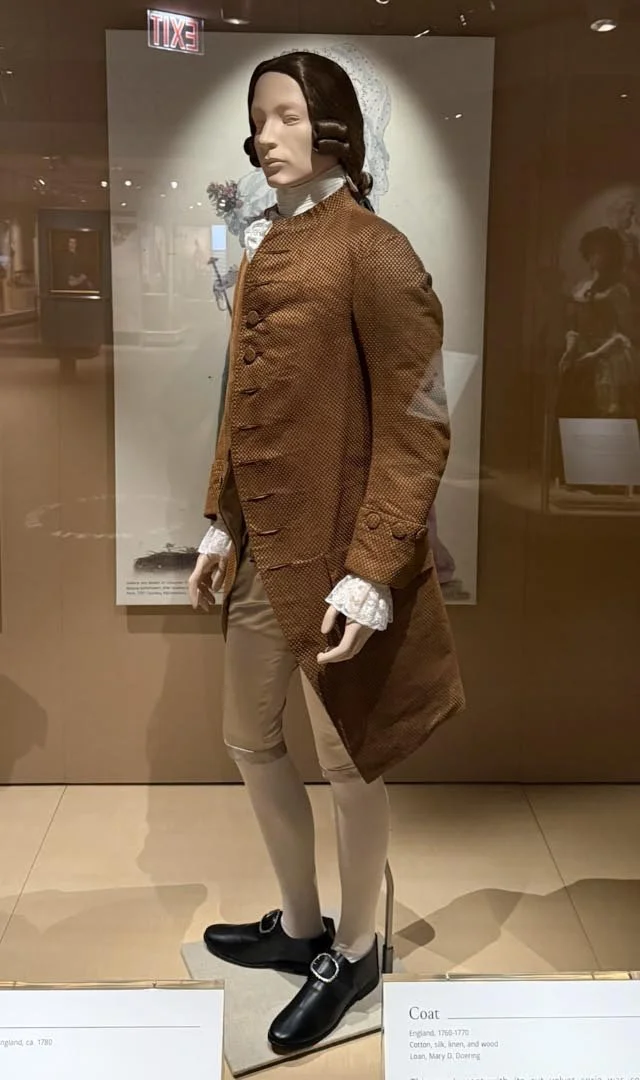
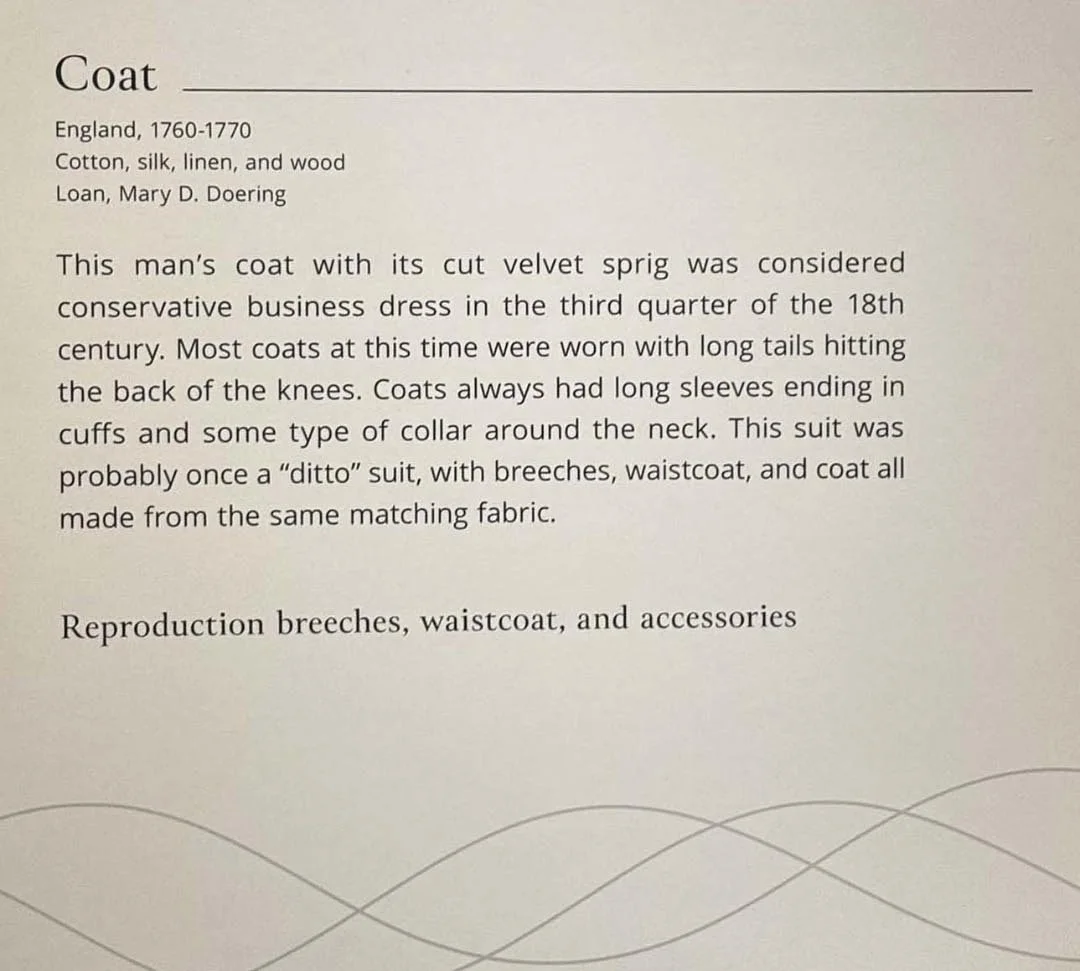
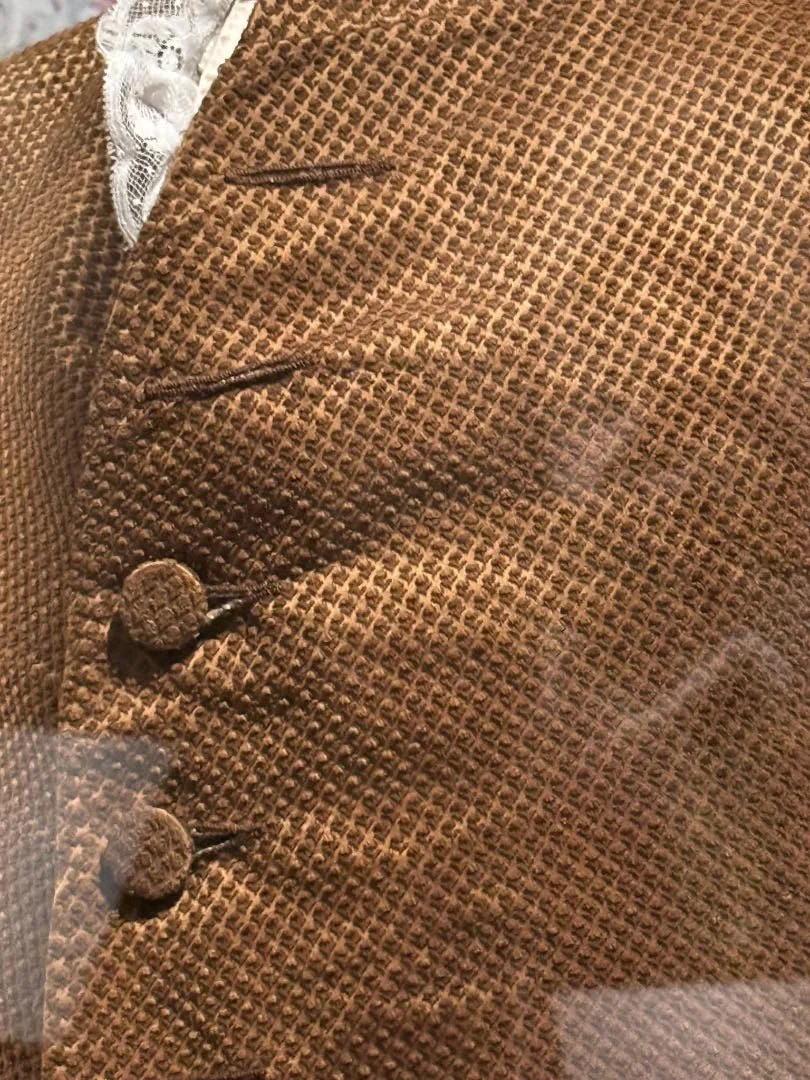
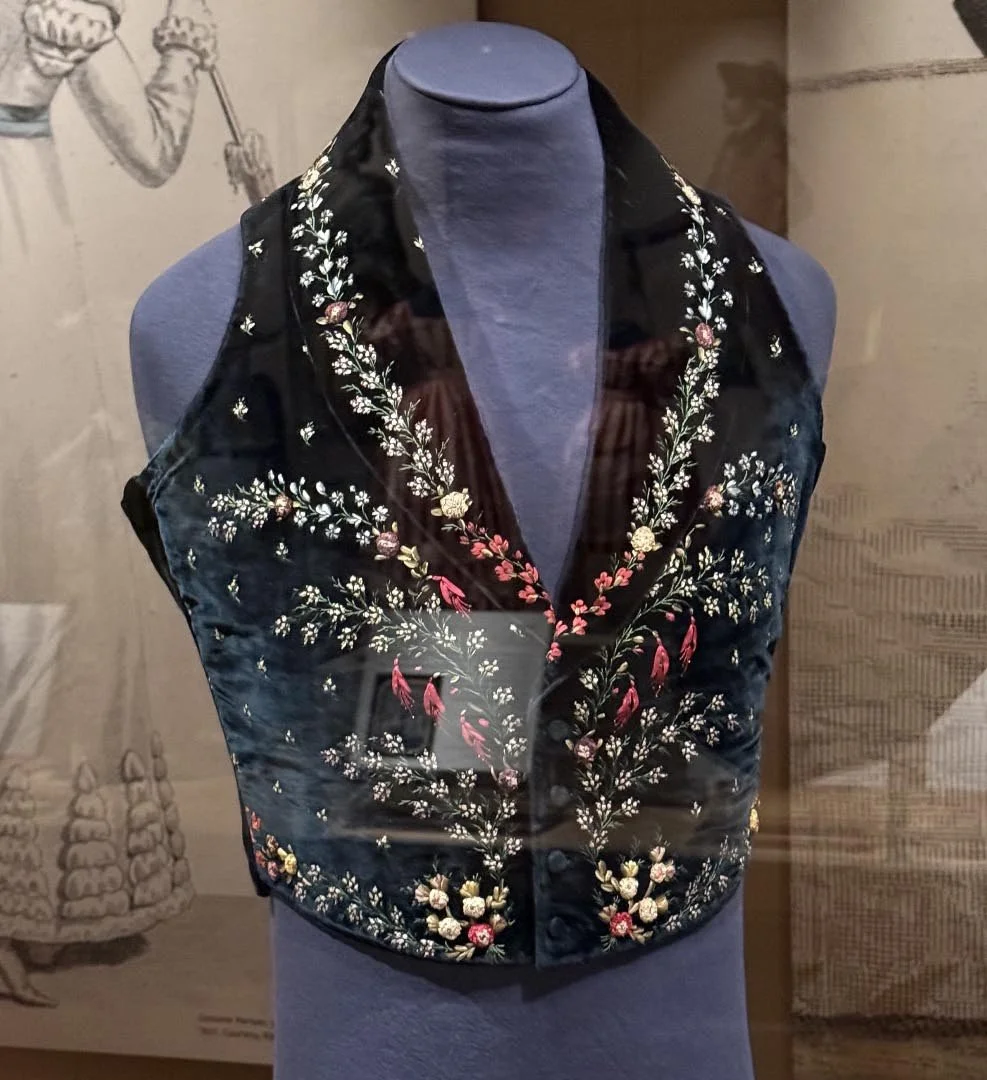
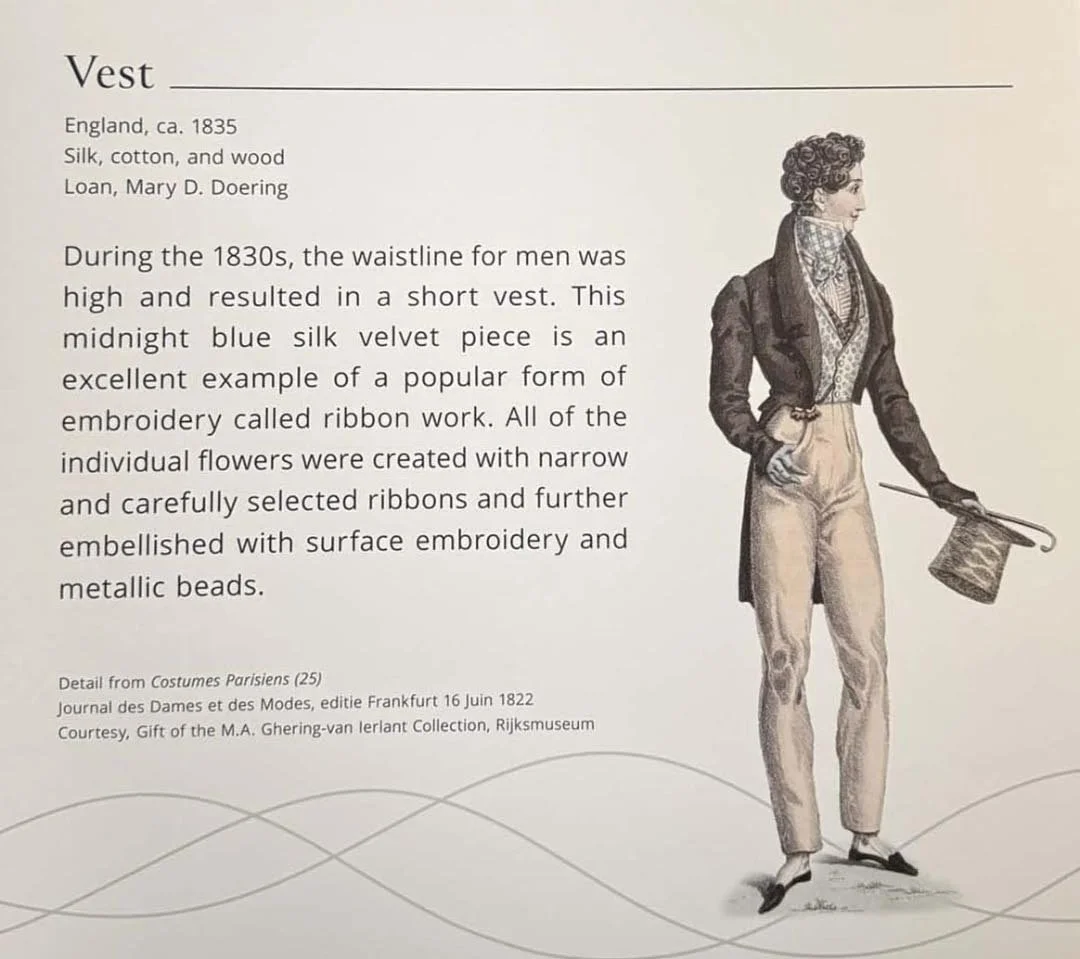
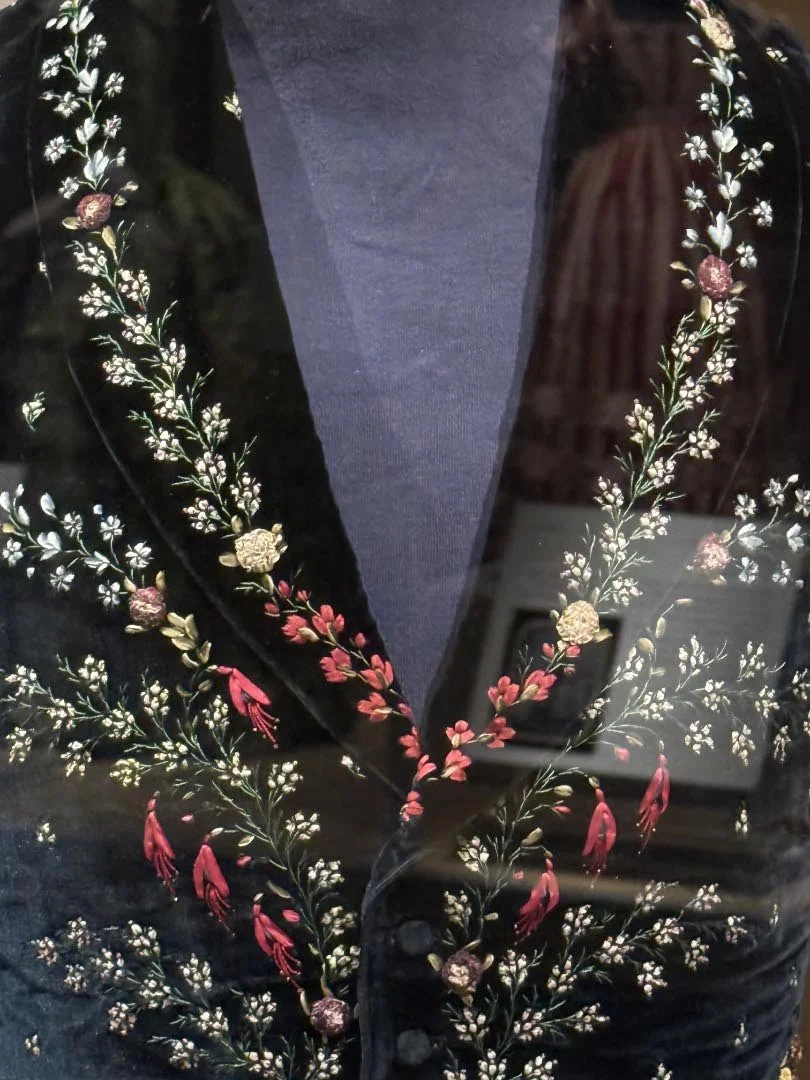
The last vest/waistcoat above would be the sort of thing one of the heroes of my Dressmakers or Difficult Dukes series would have worn. I can certainly picture the hero of My Inconvenient Duke in a dressing gown like this (or maybe one more flamboyant if, that is, his valet didn’t object).
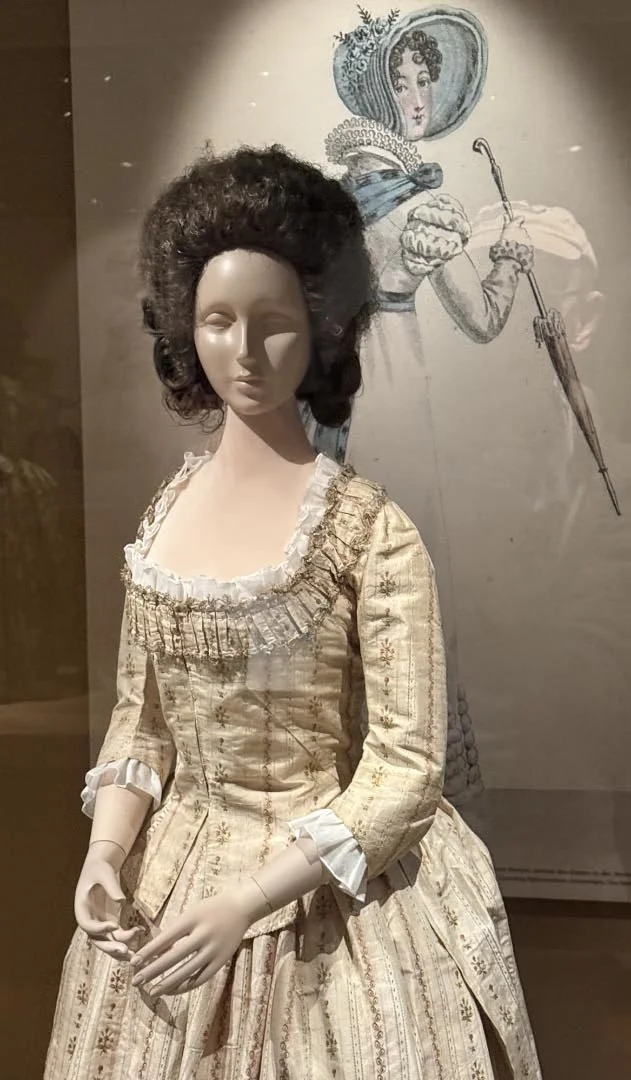
The dresses below range from the Colonial era to the later 18th century.
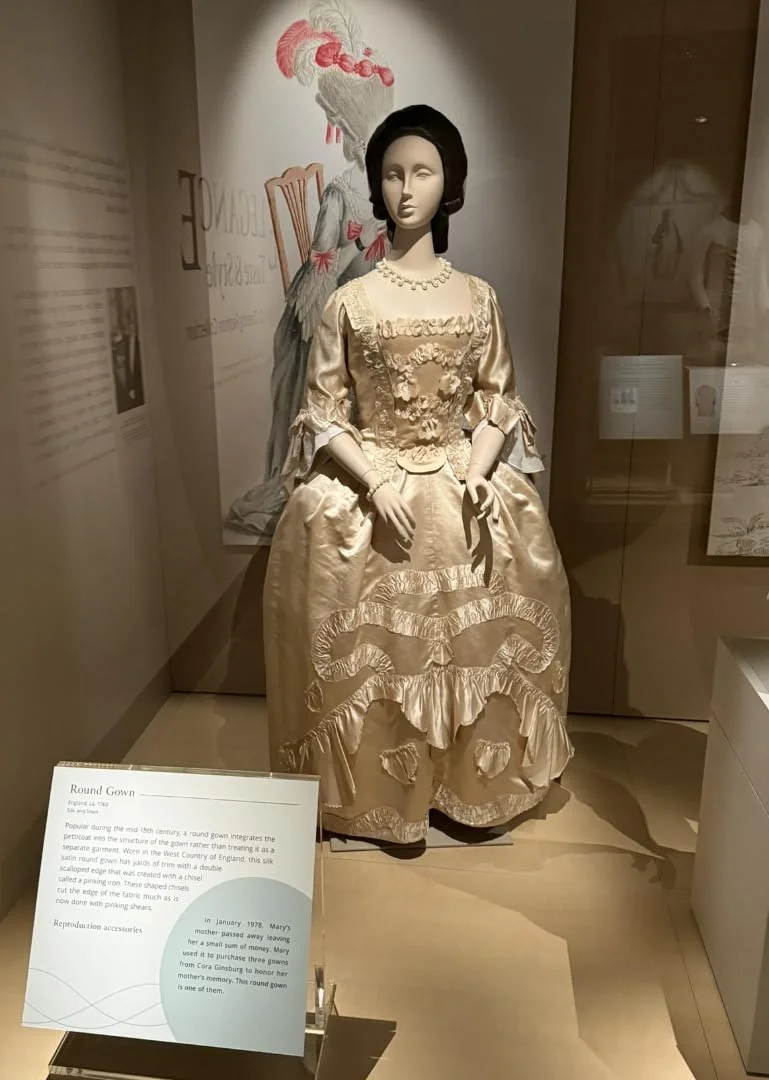
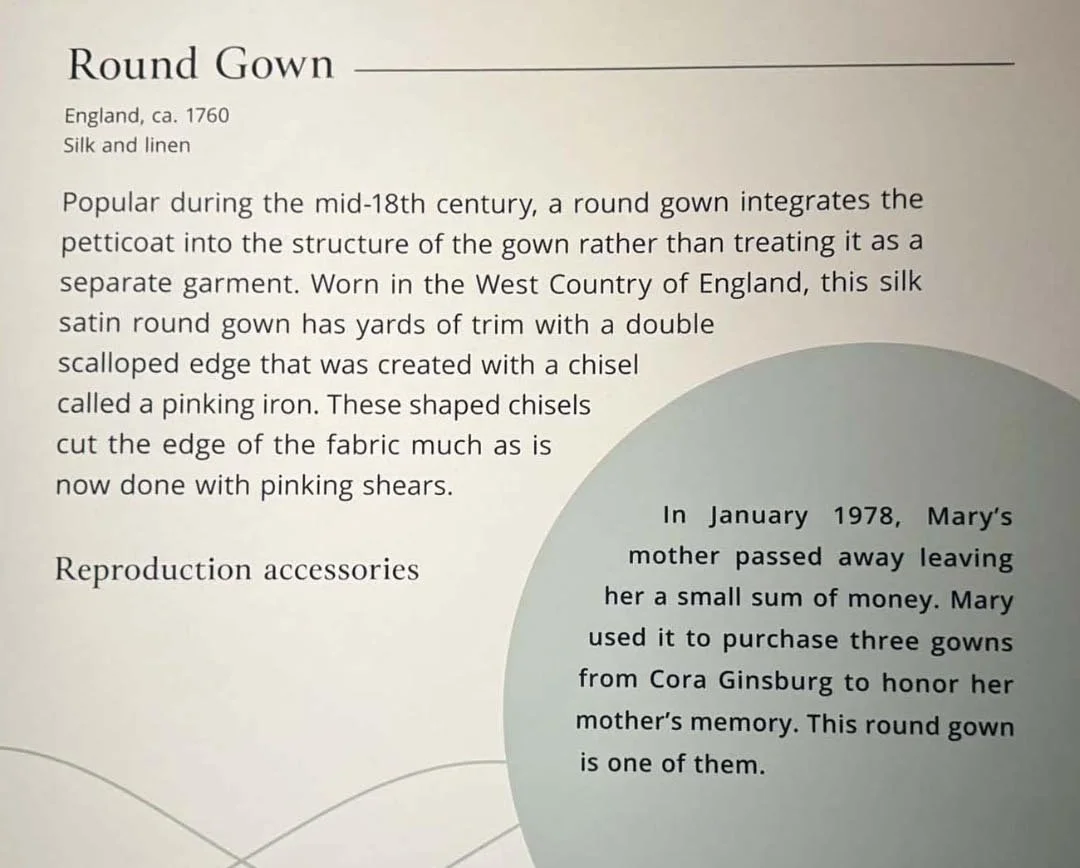
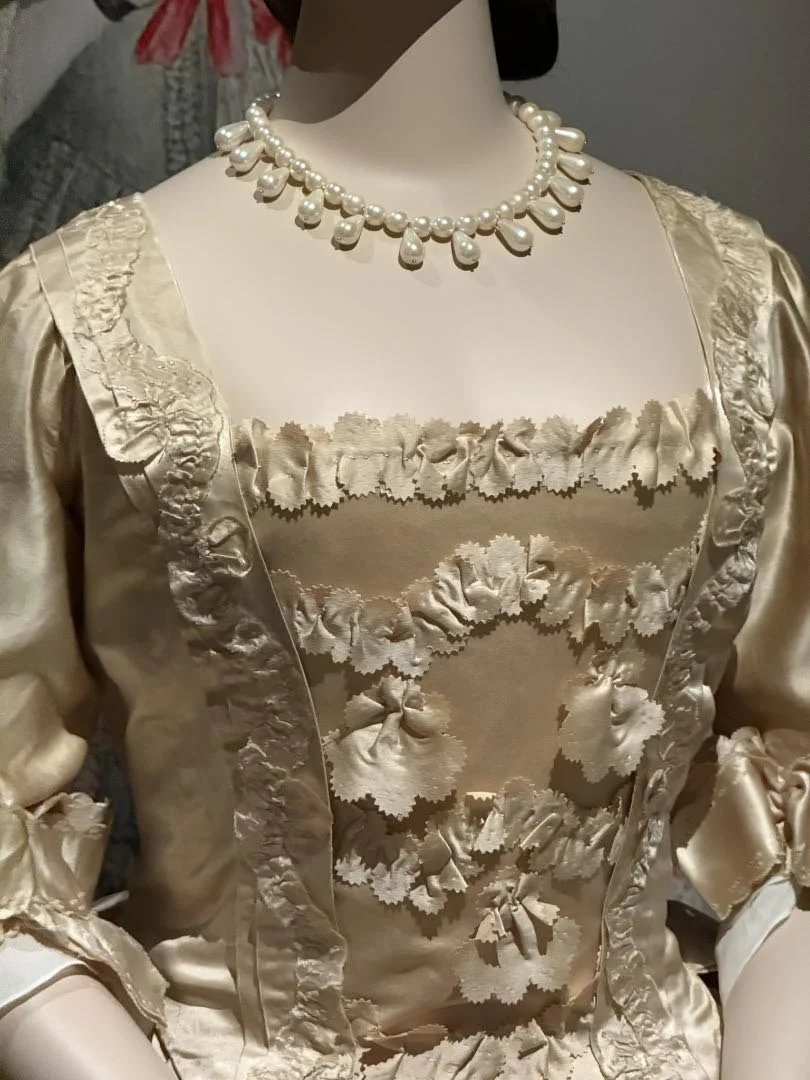
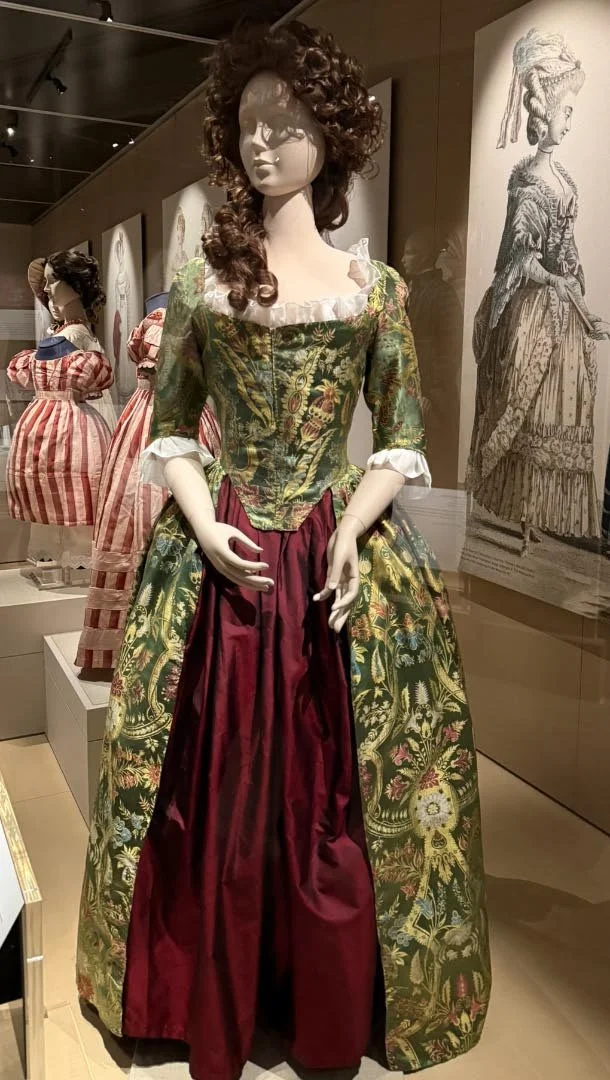
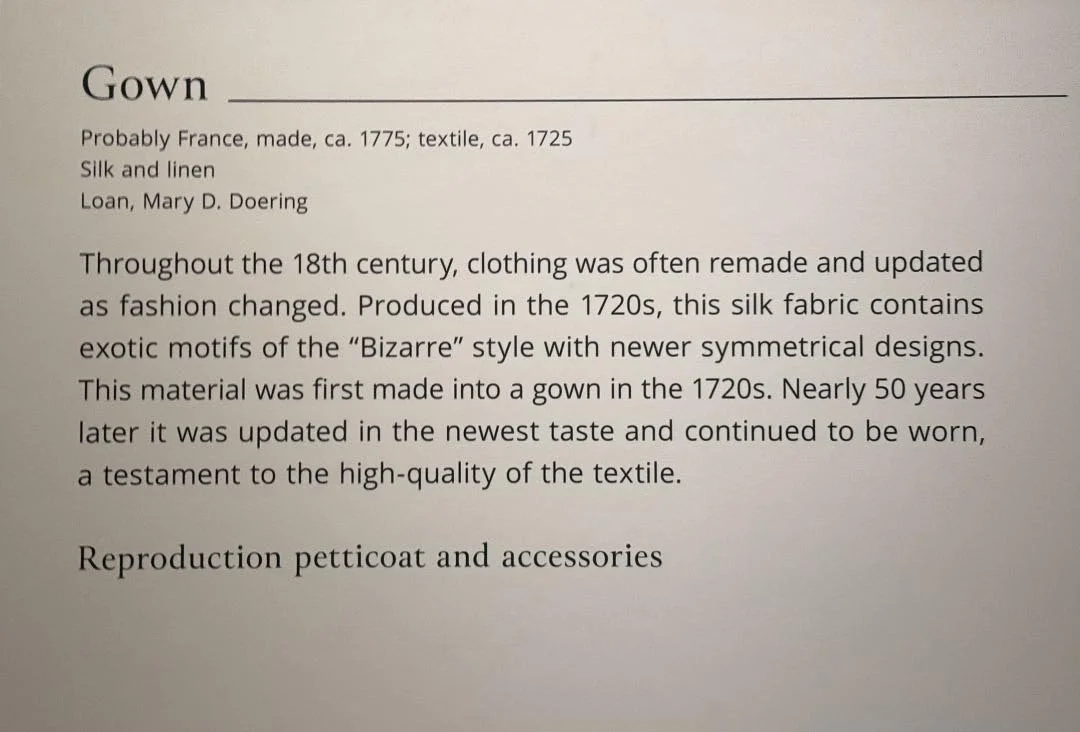
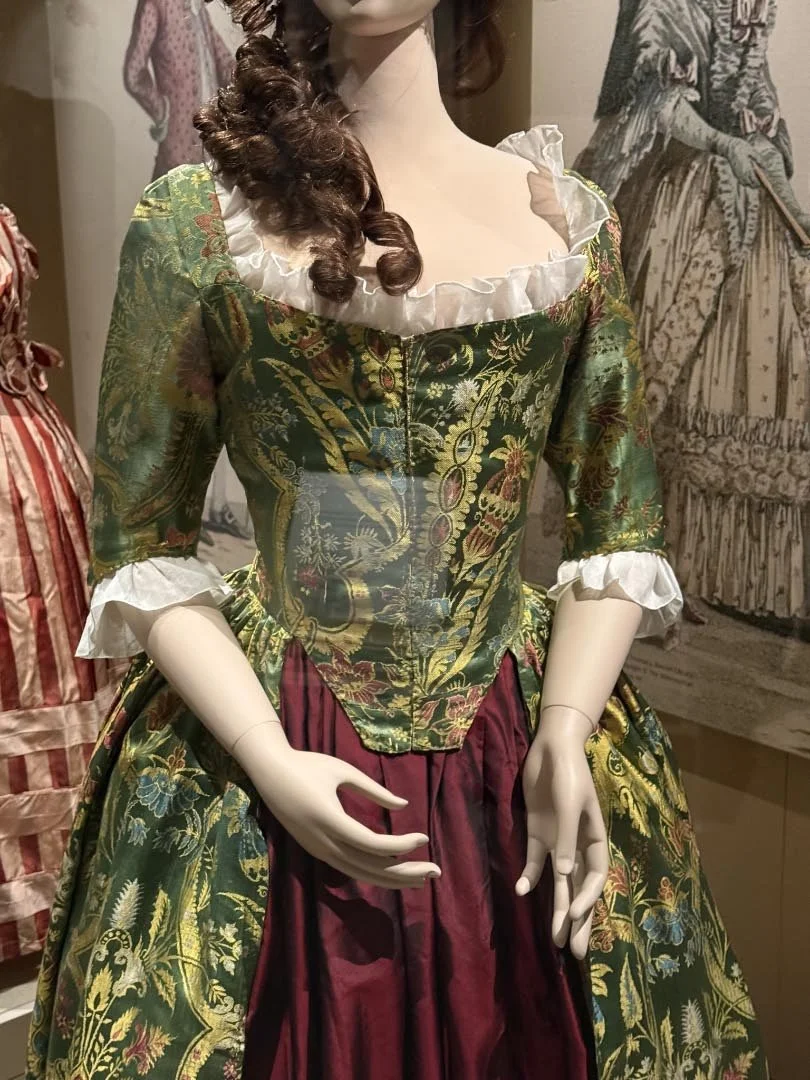
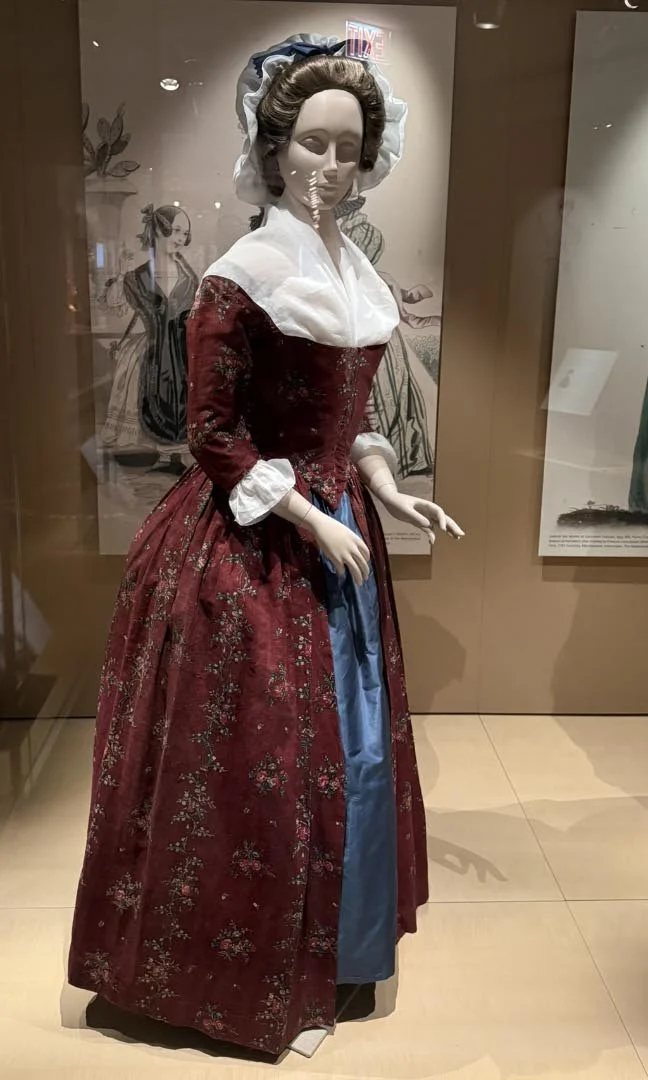
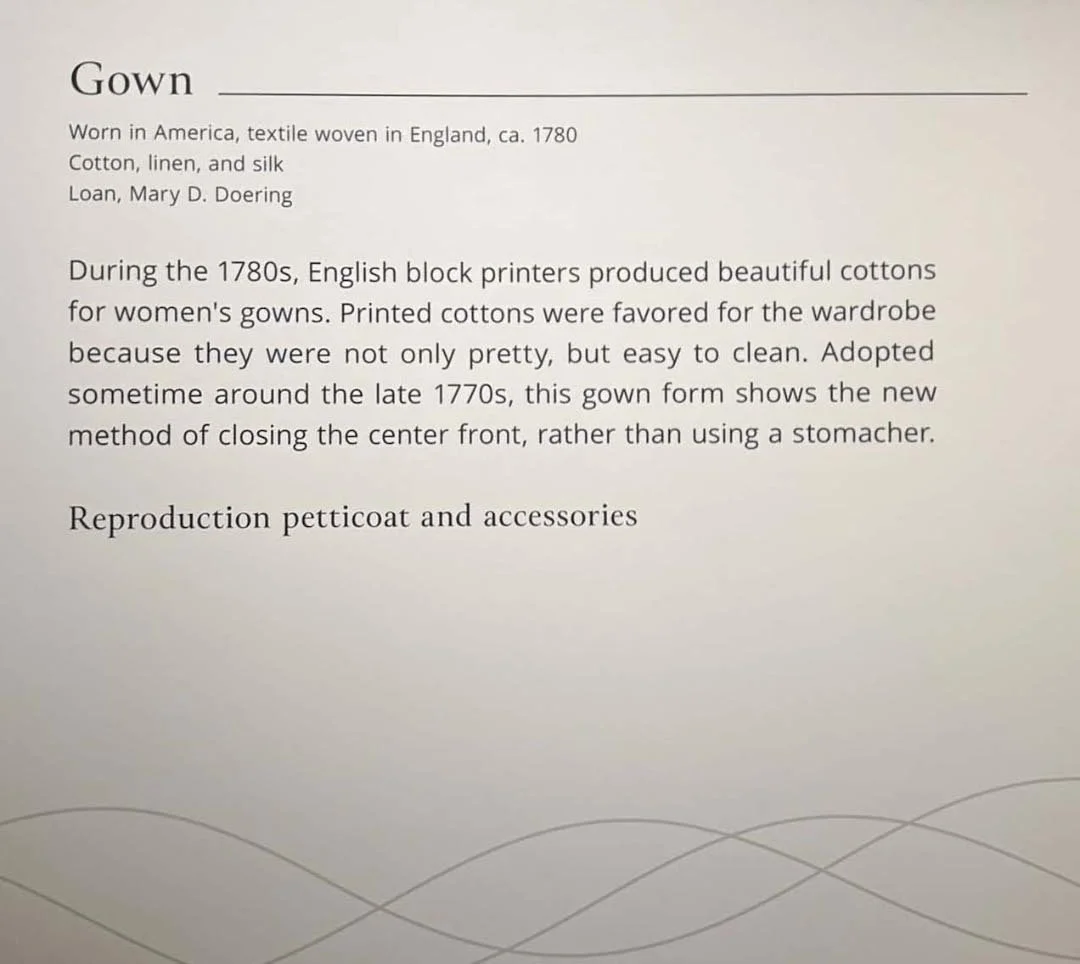
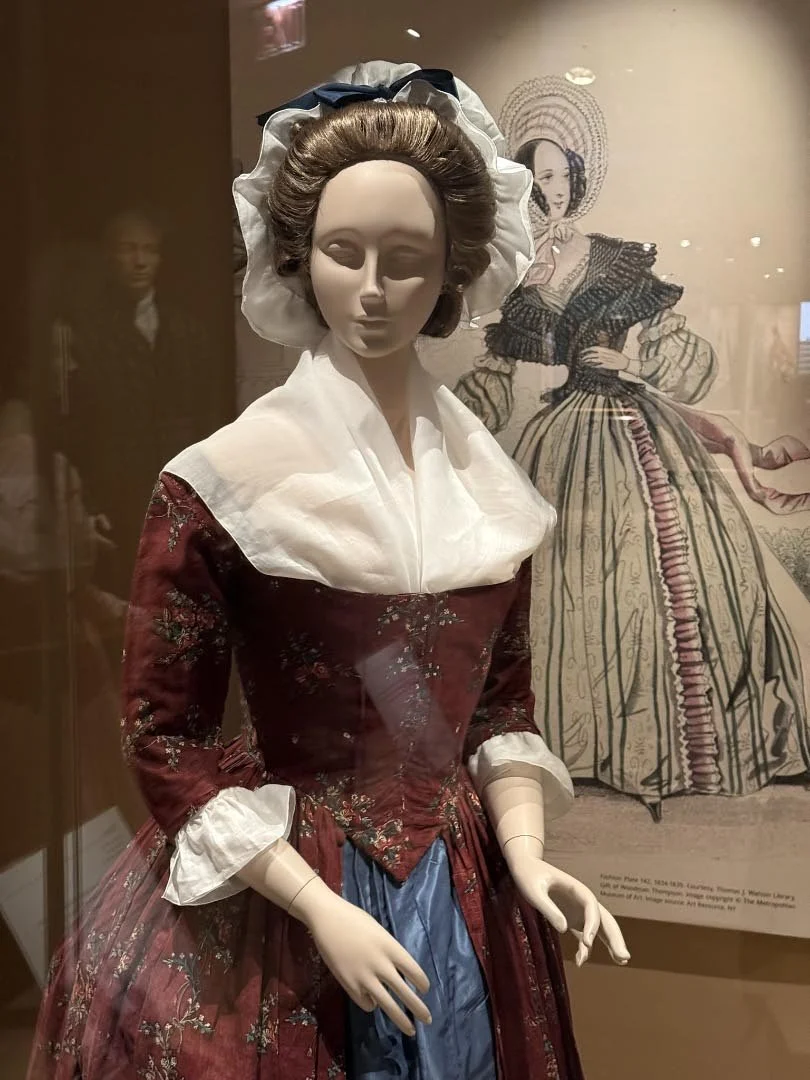
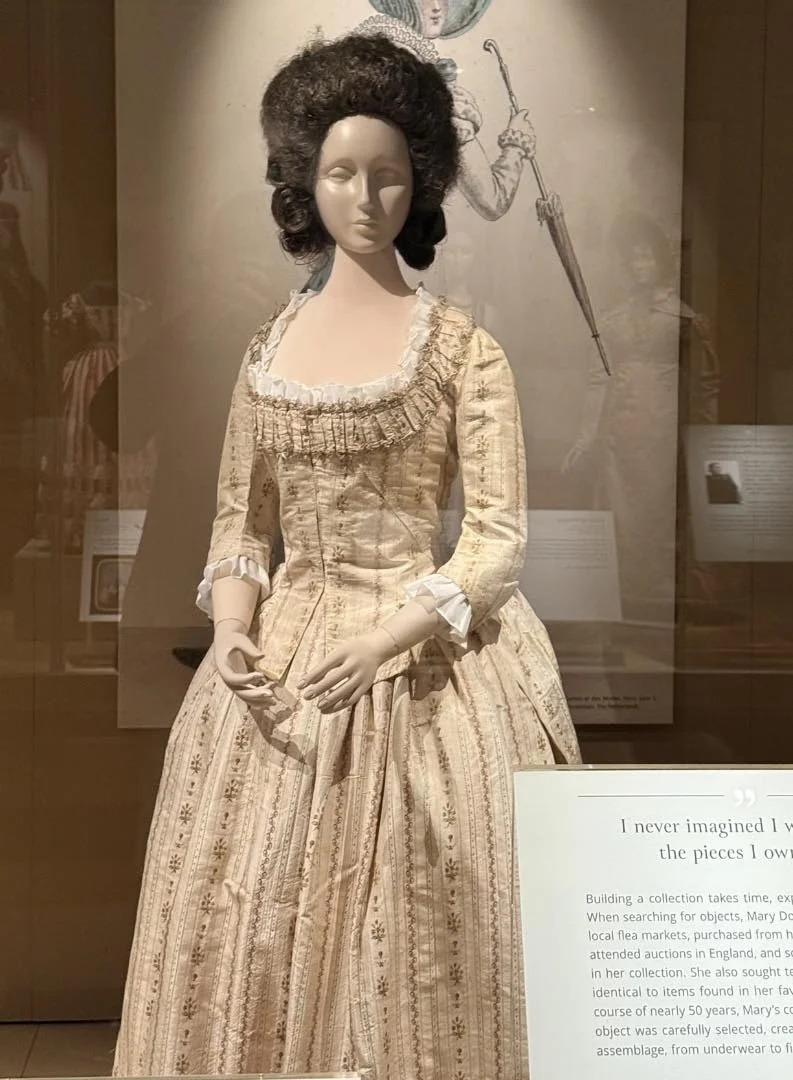
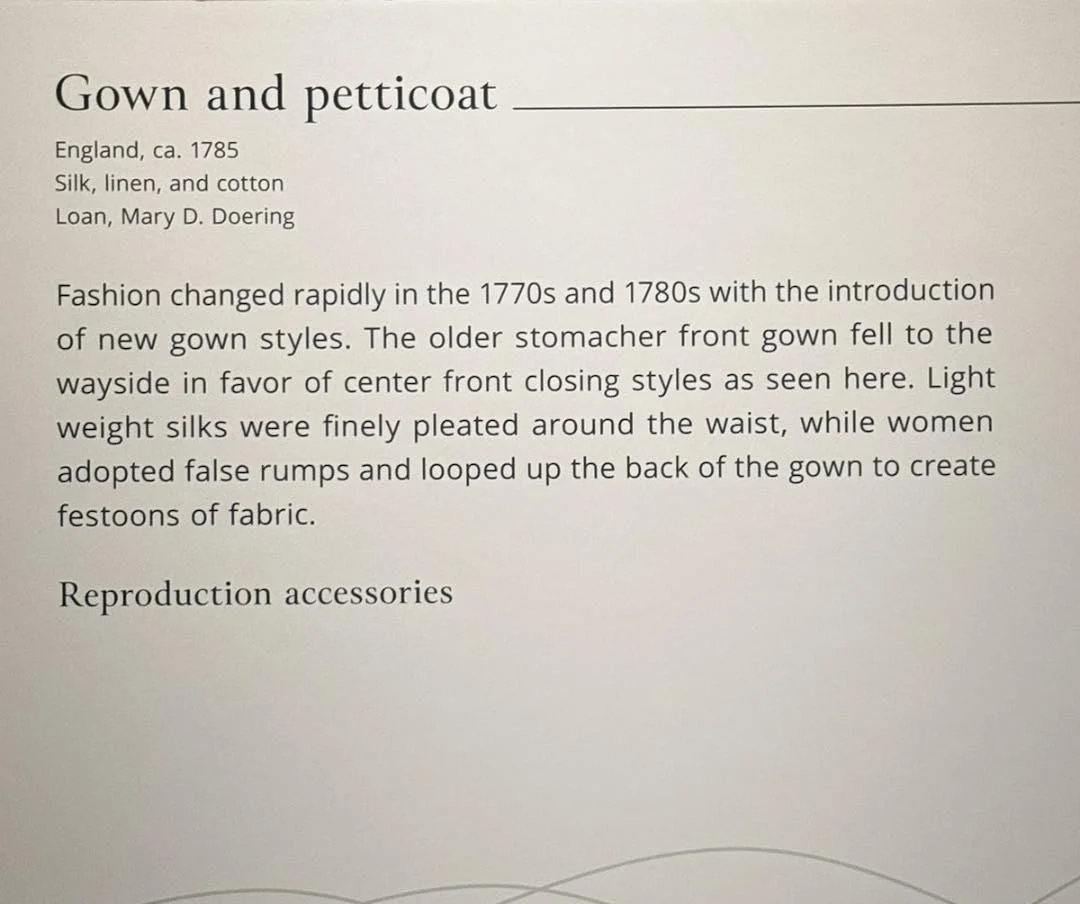
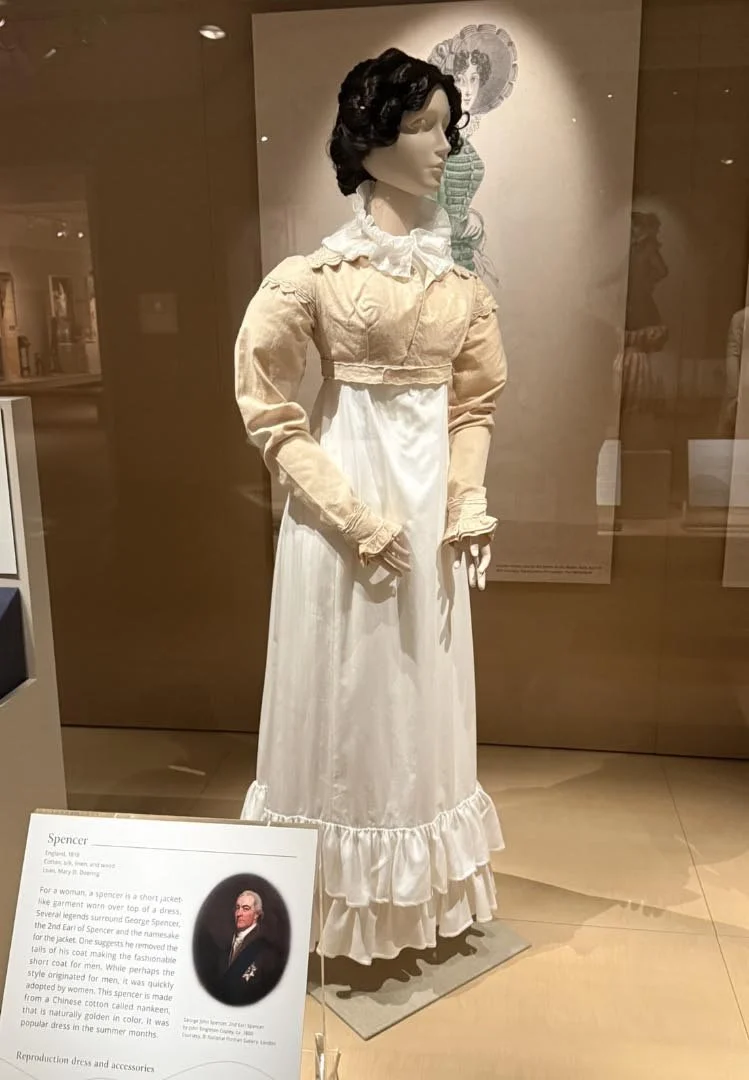
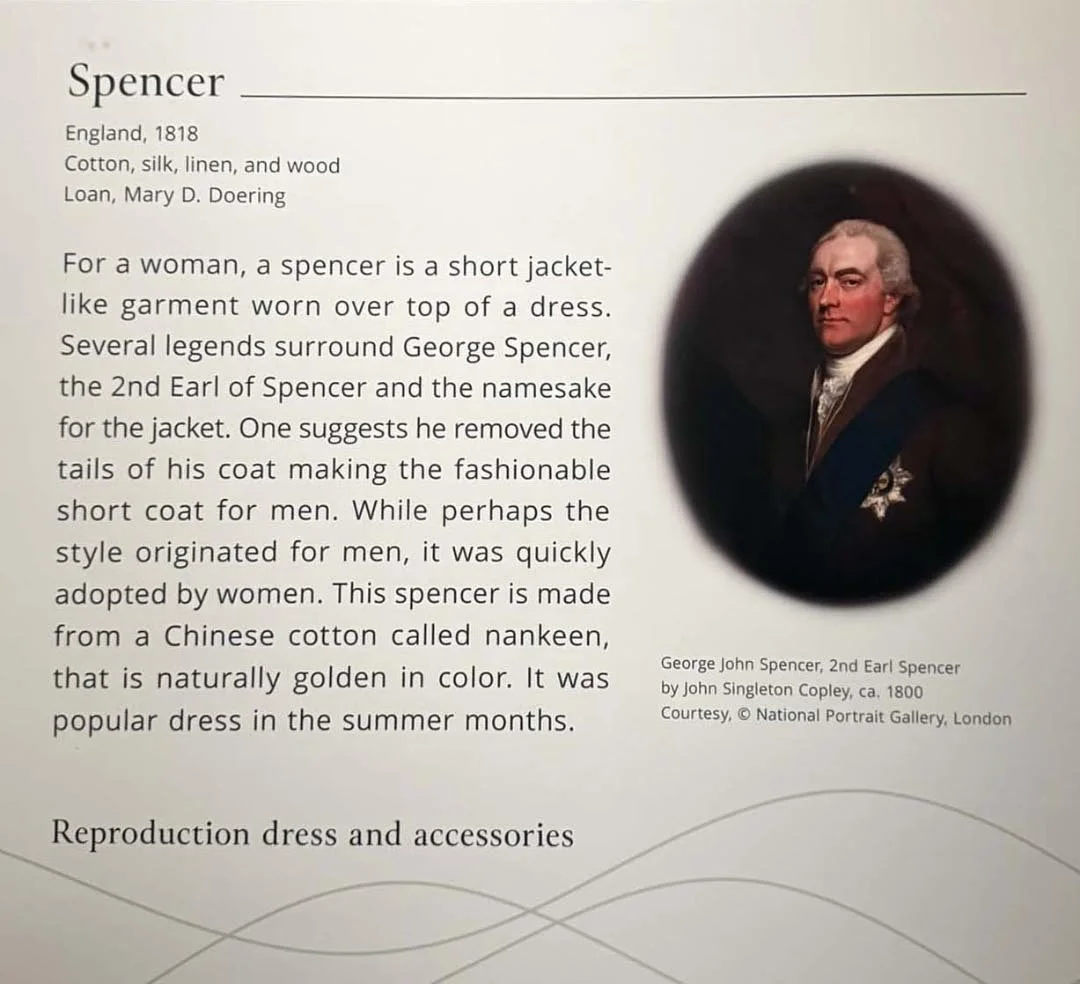
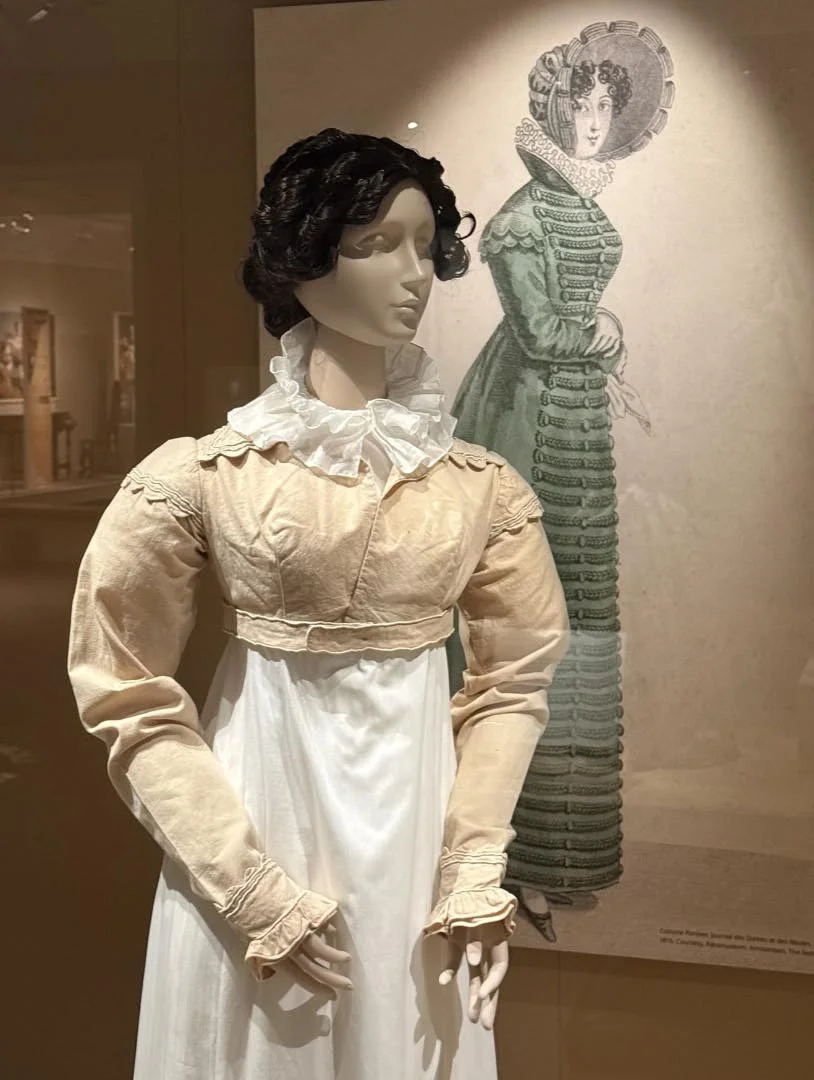
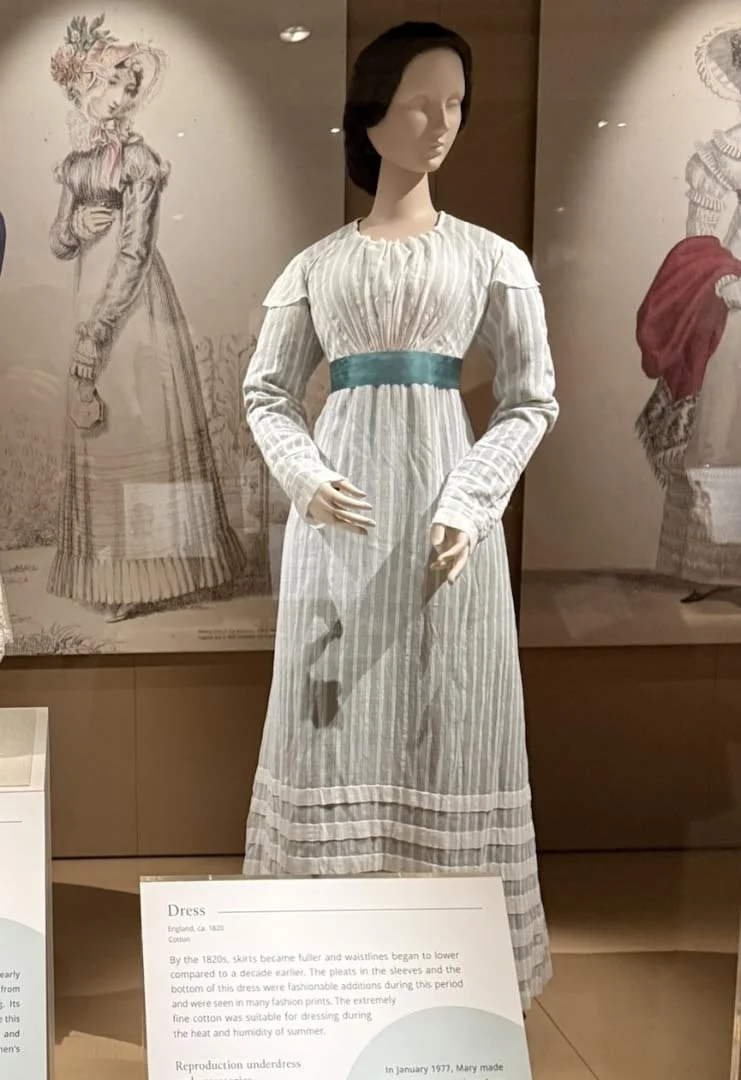
The style of dress below will be familiar from the Regency era: the vertical silhouette and high waists you probably recognize from the films of Jane Austen’s novels.
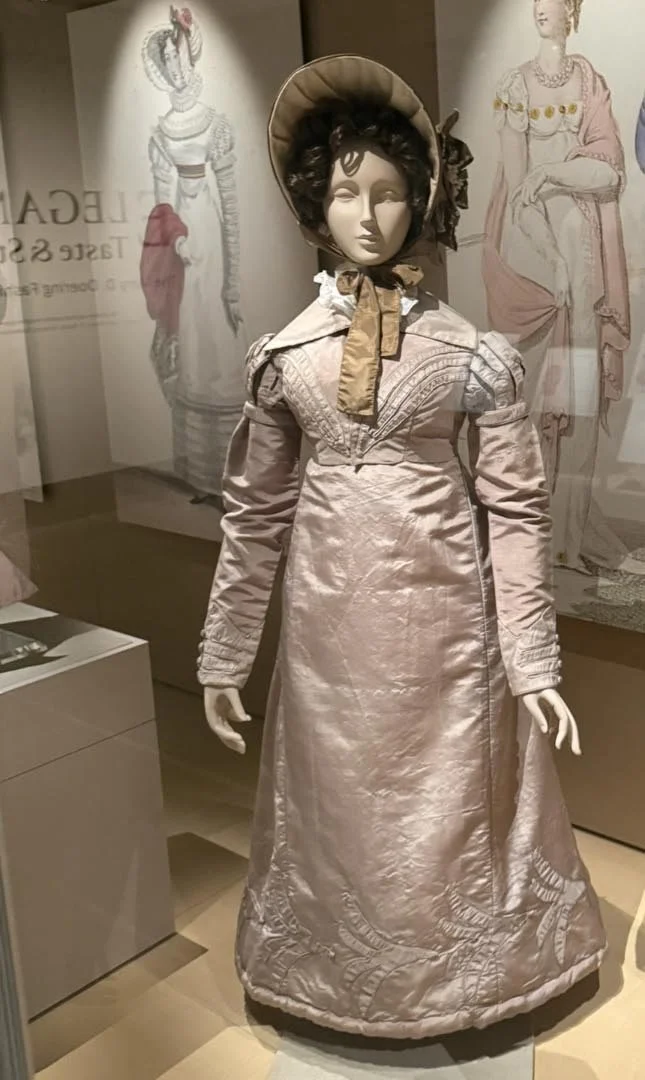
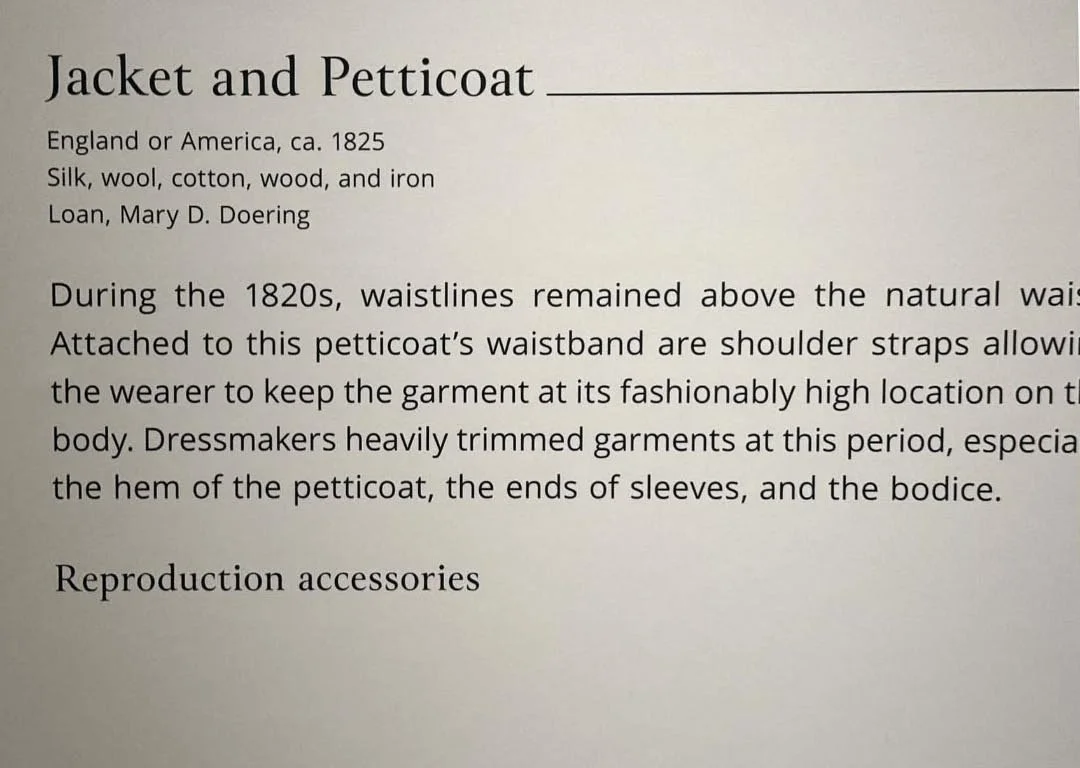
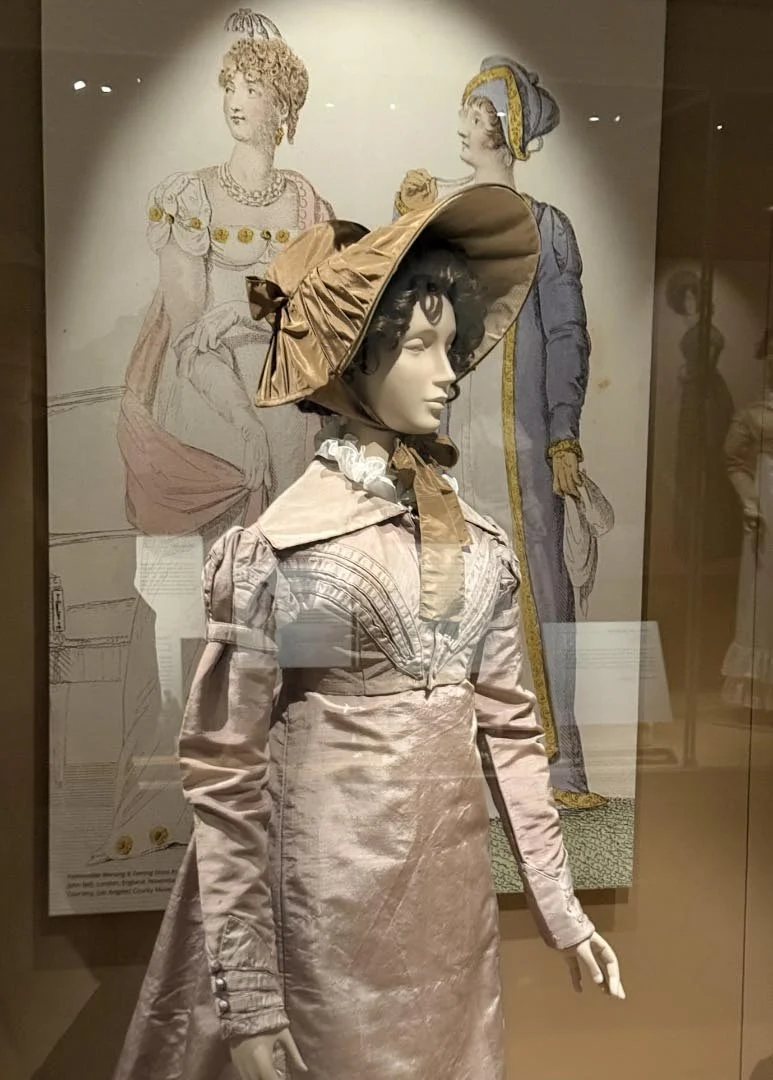
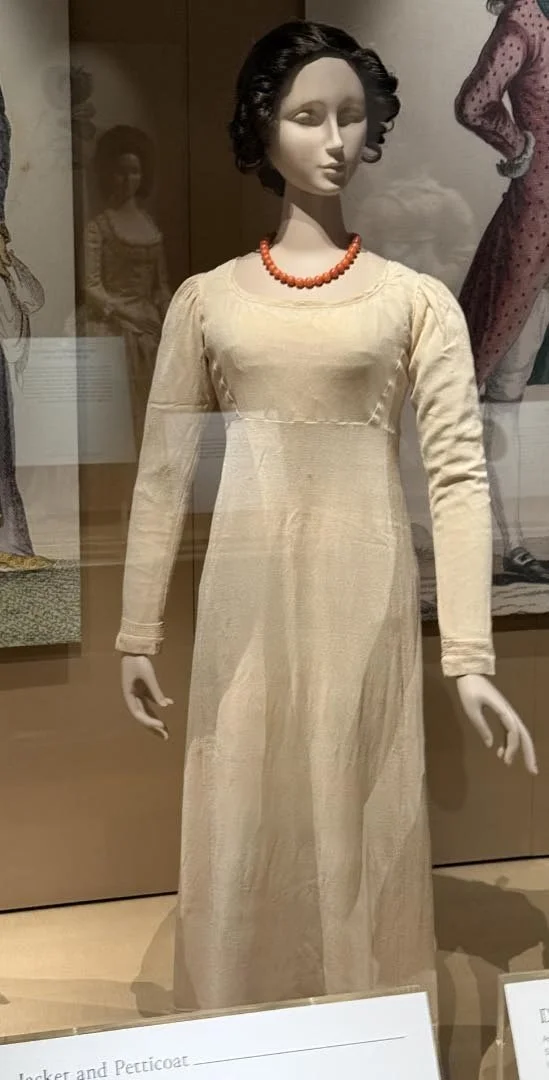
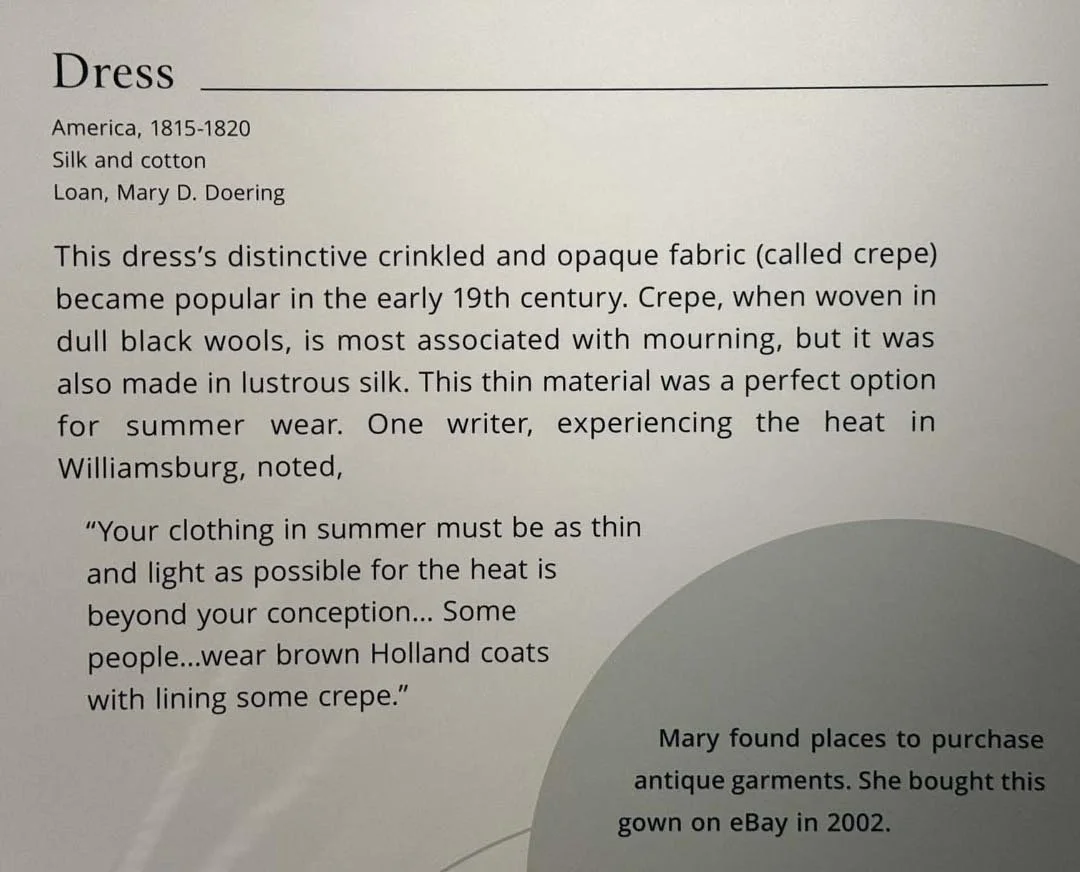
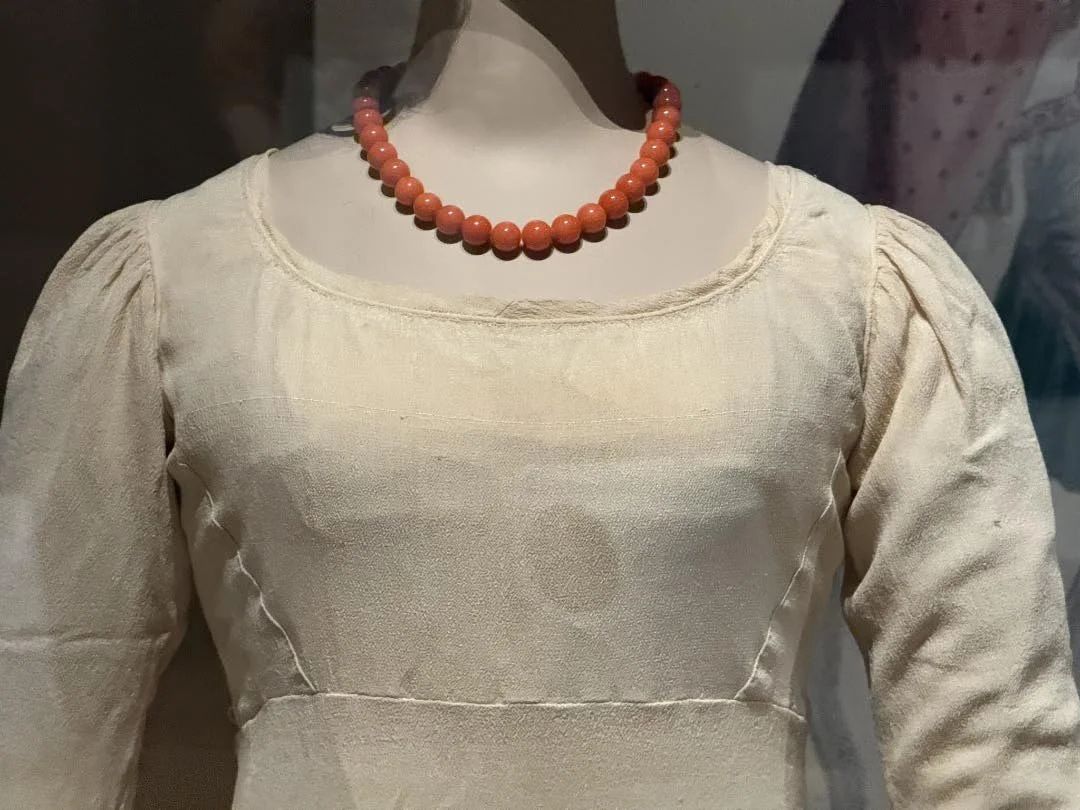
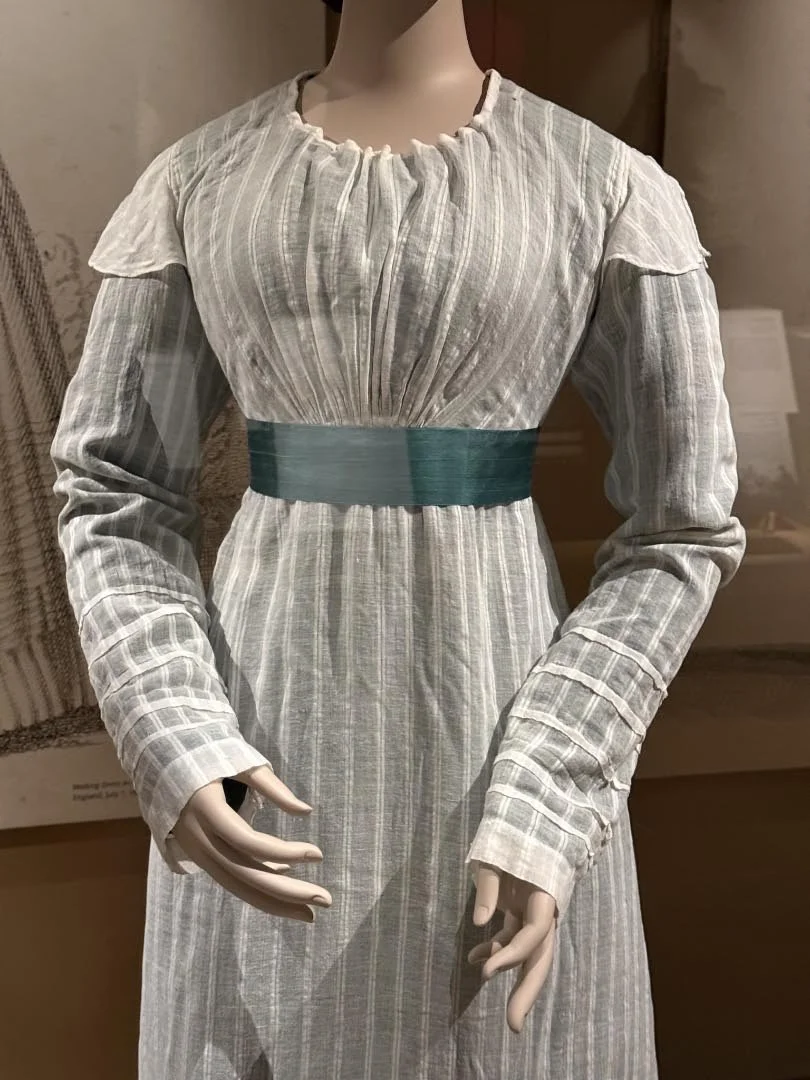
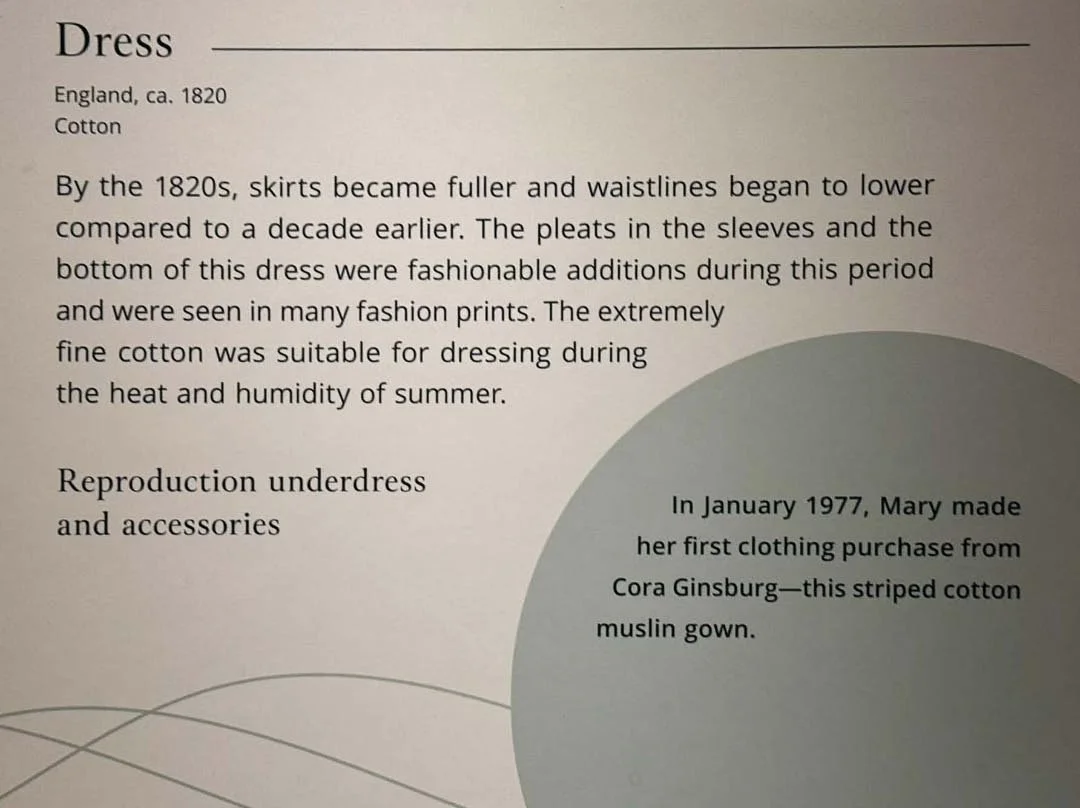
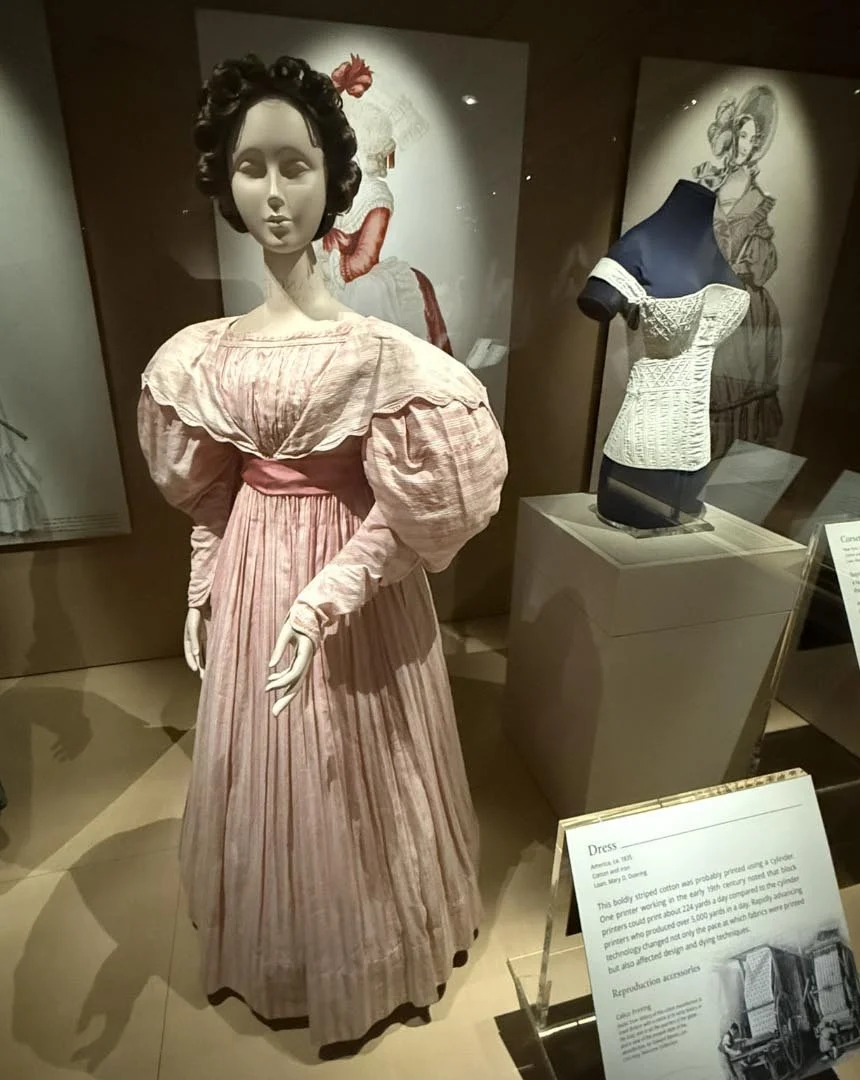
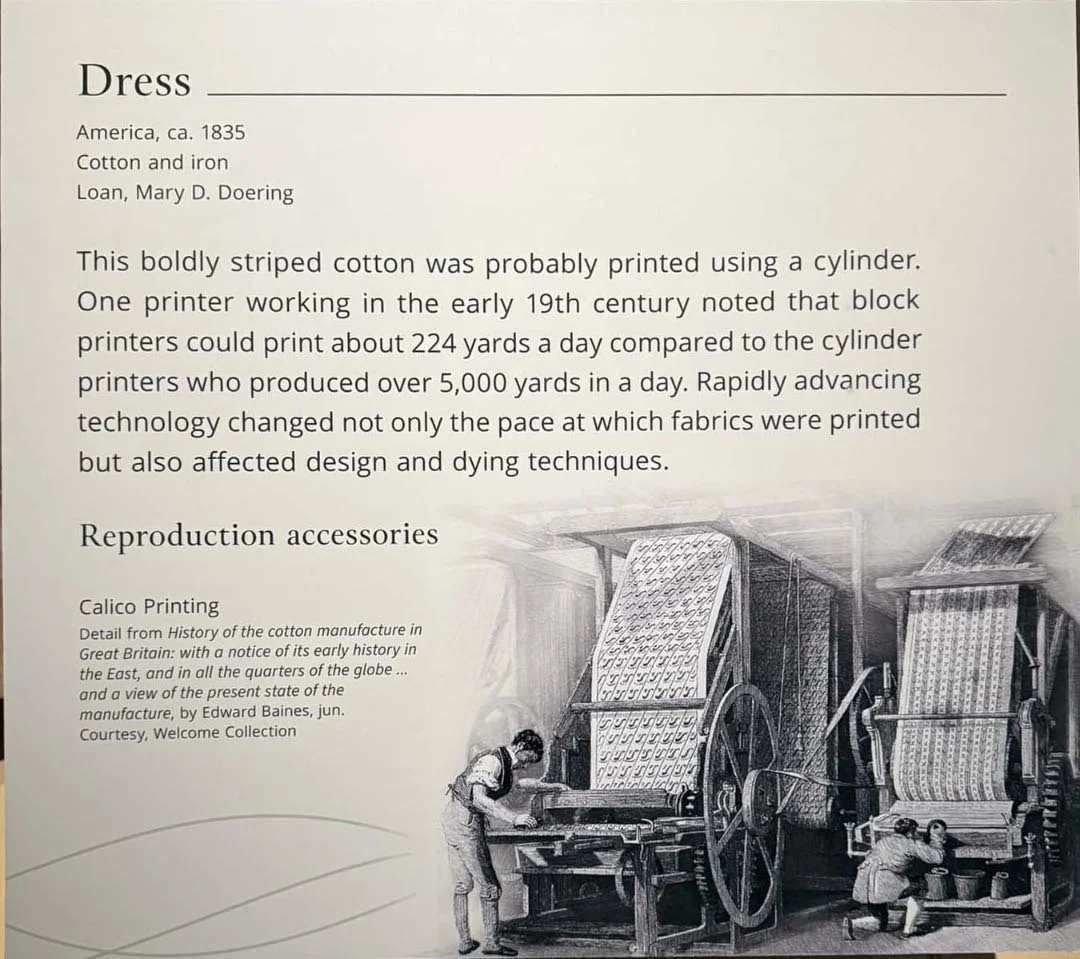
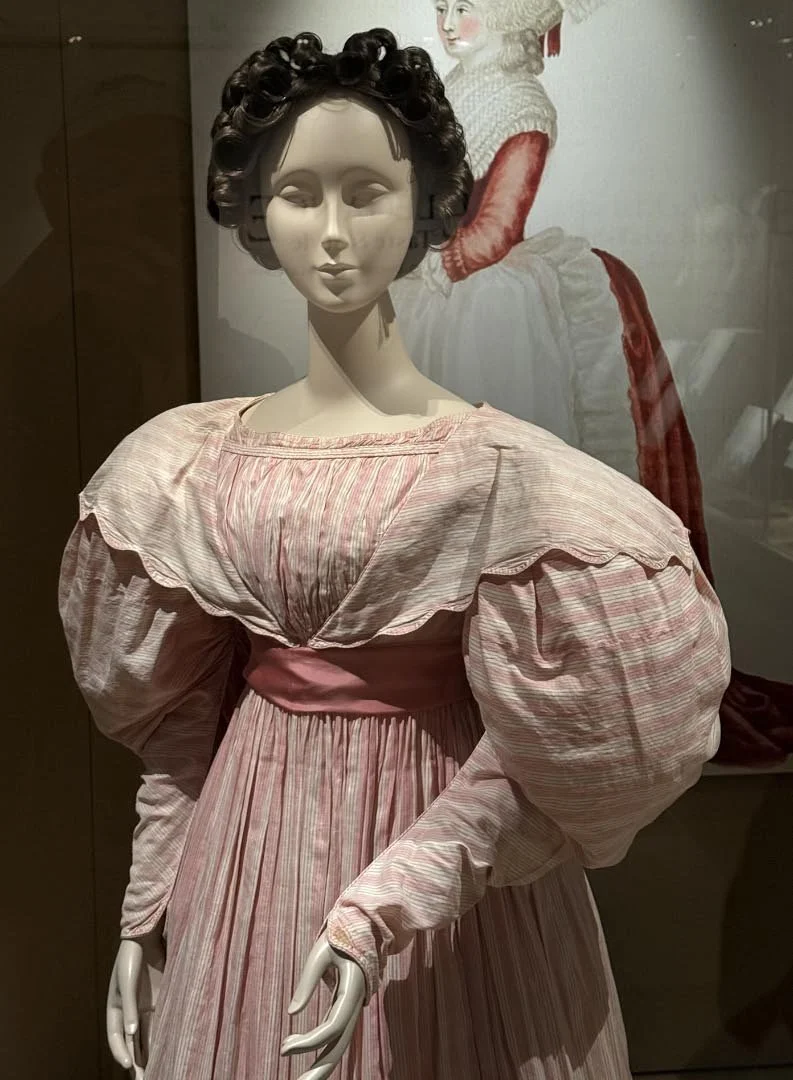
The dresses below reflect the fashion trends of the 1830s, the time of my Difficult Dukes and Dressmaker series books, and one of my personal favorite fashion eras, because it is so over-the-top—not only the giant sleeves, but the lofty hair styles and hats sprouting flowers and lace and feathers. Interestingly, in this era, the men’s fashions bore similarities, with puffed sleeves, shawl collars, and nipped-in waists.
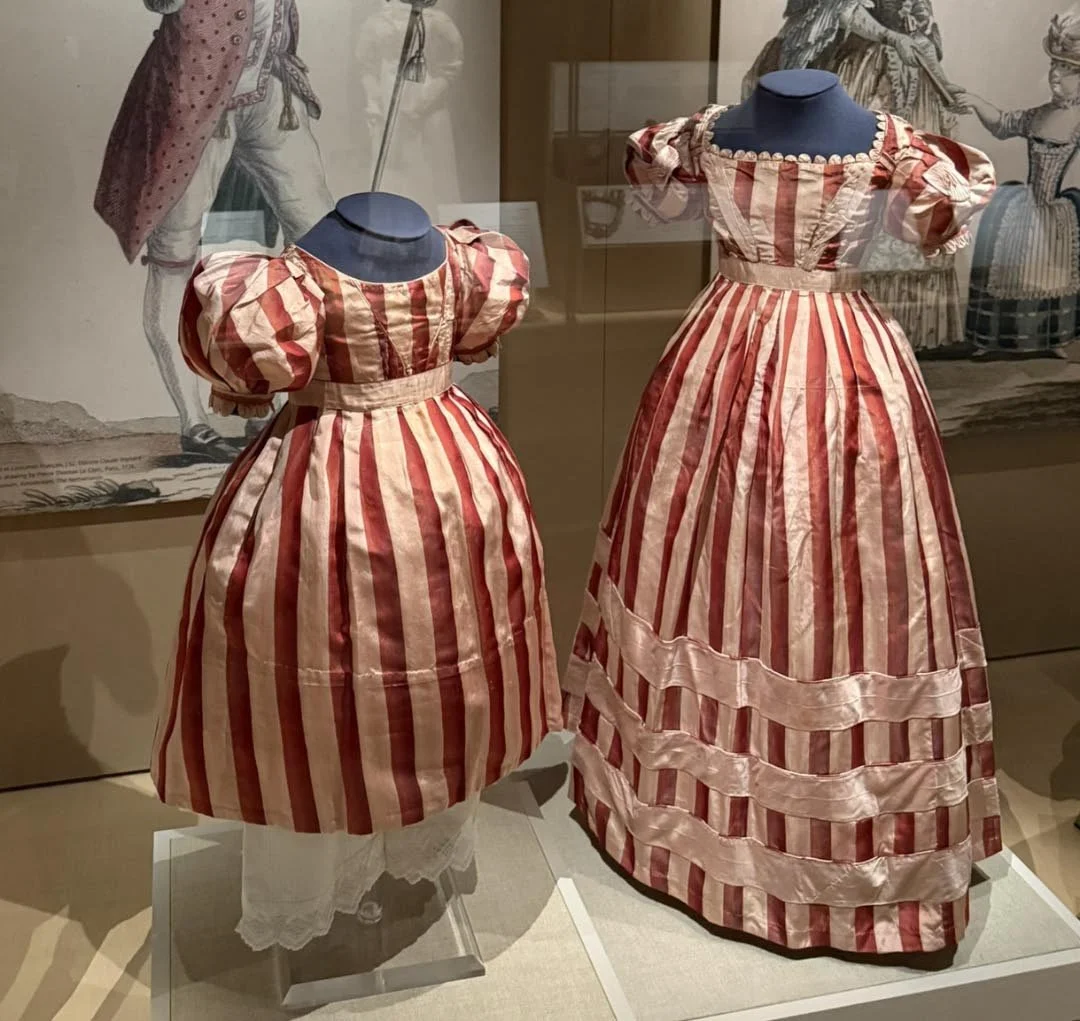
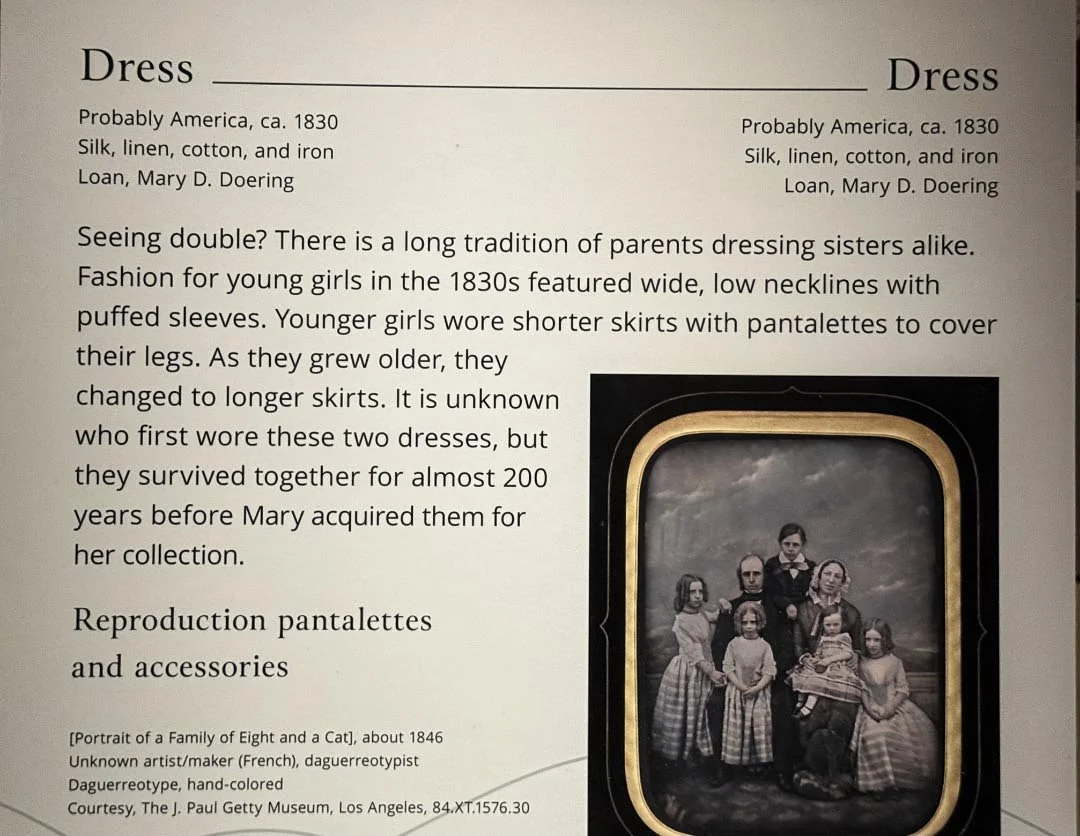
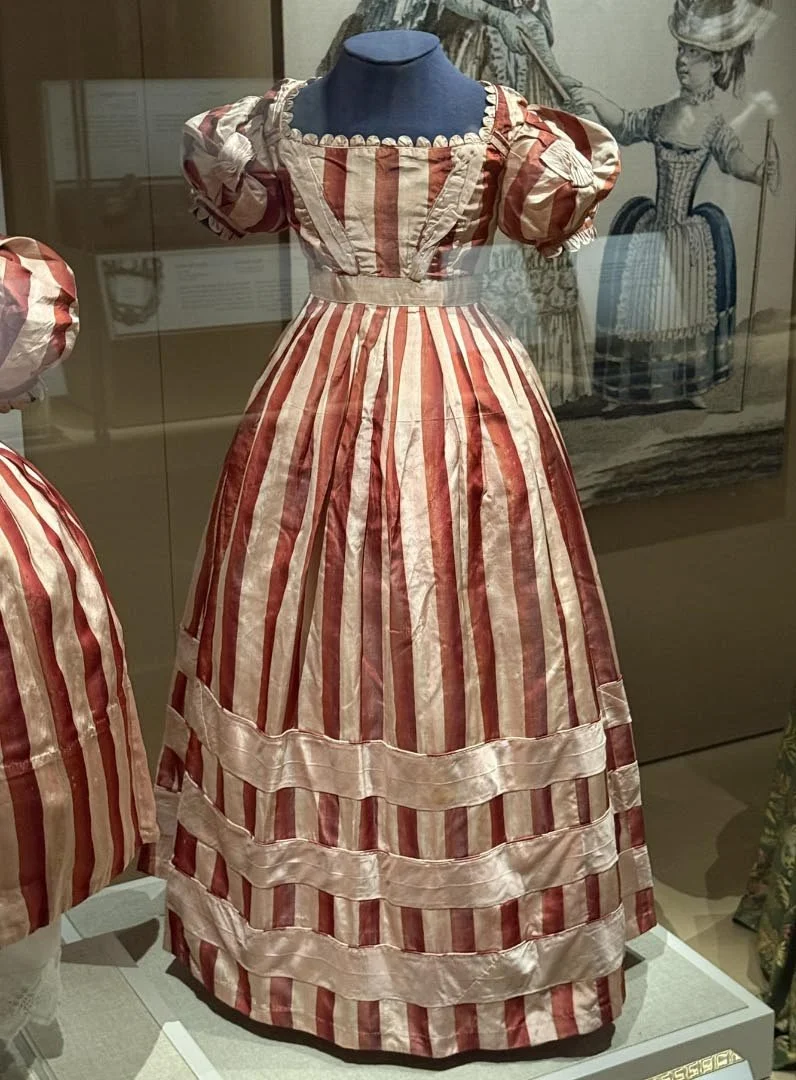
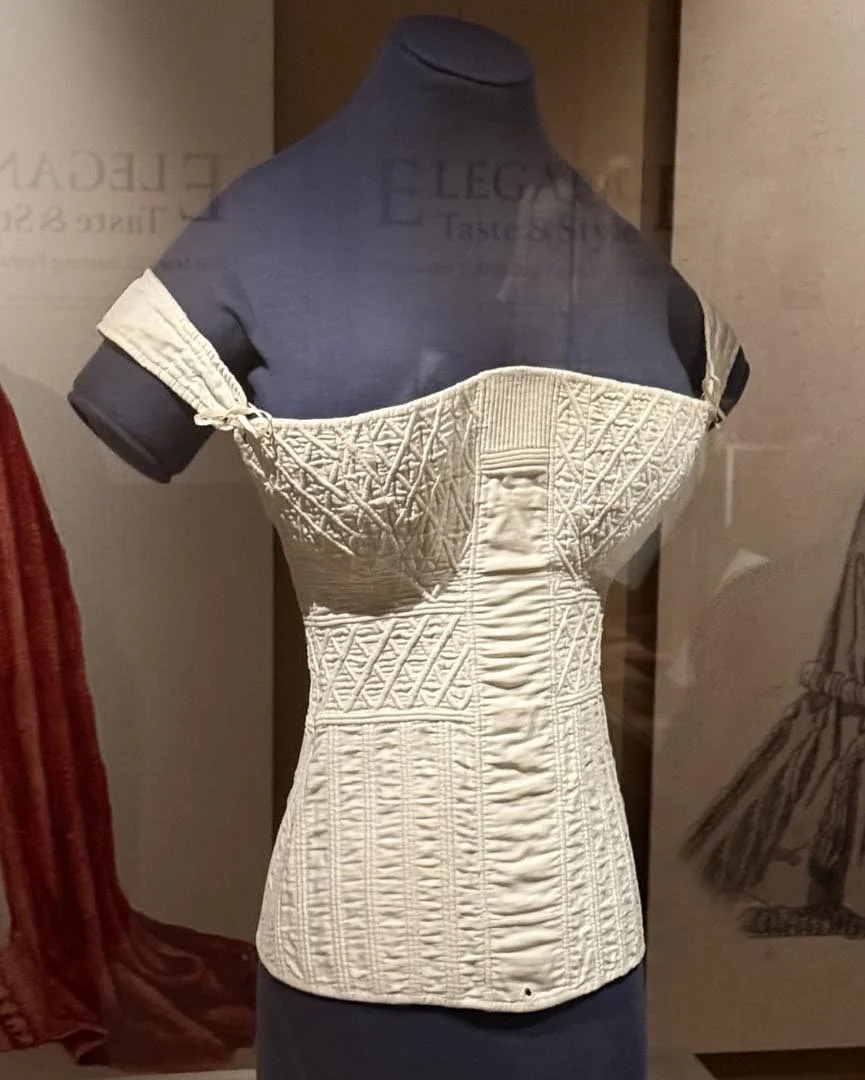
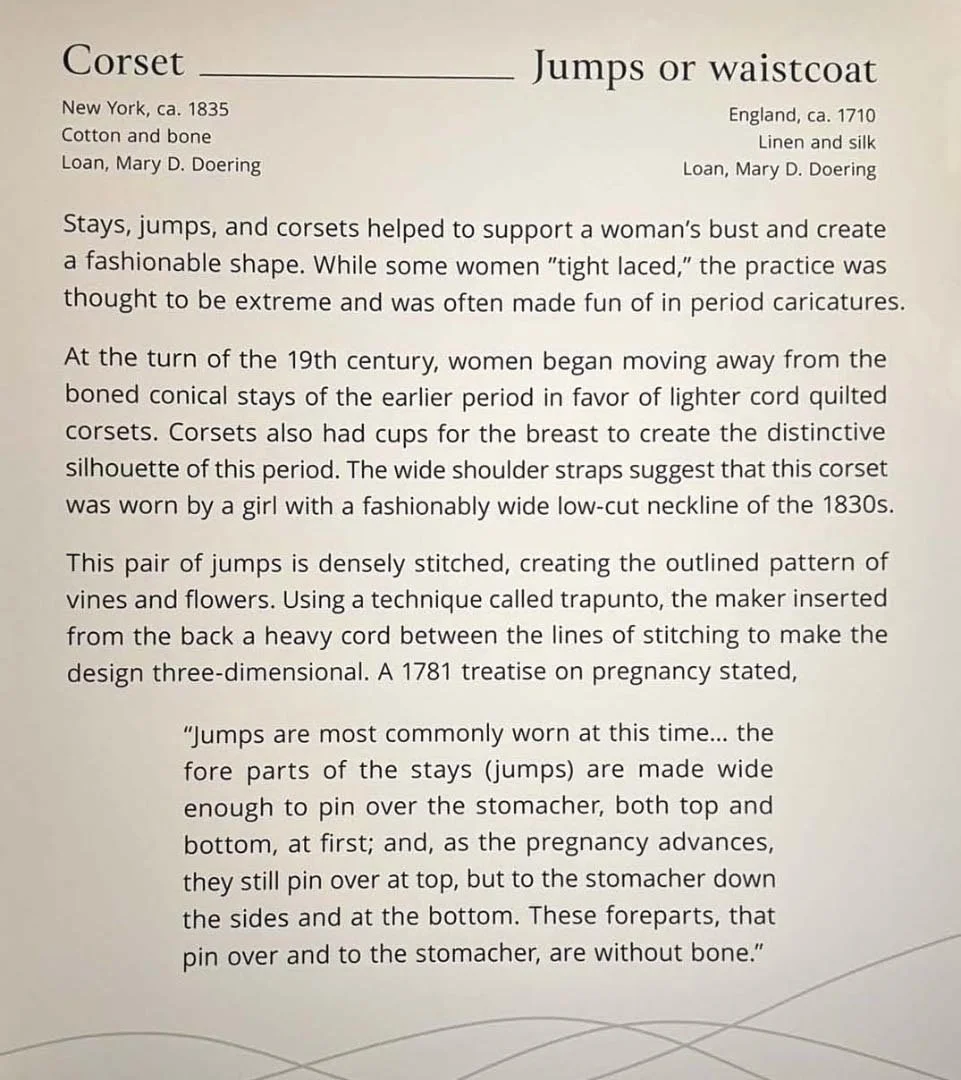
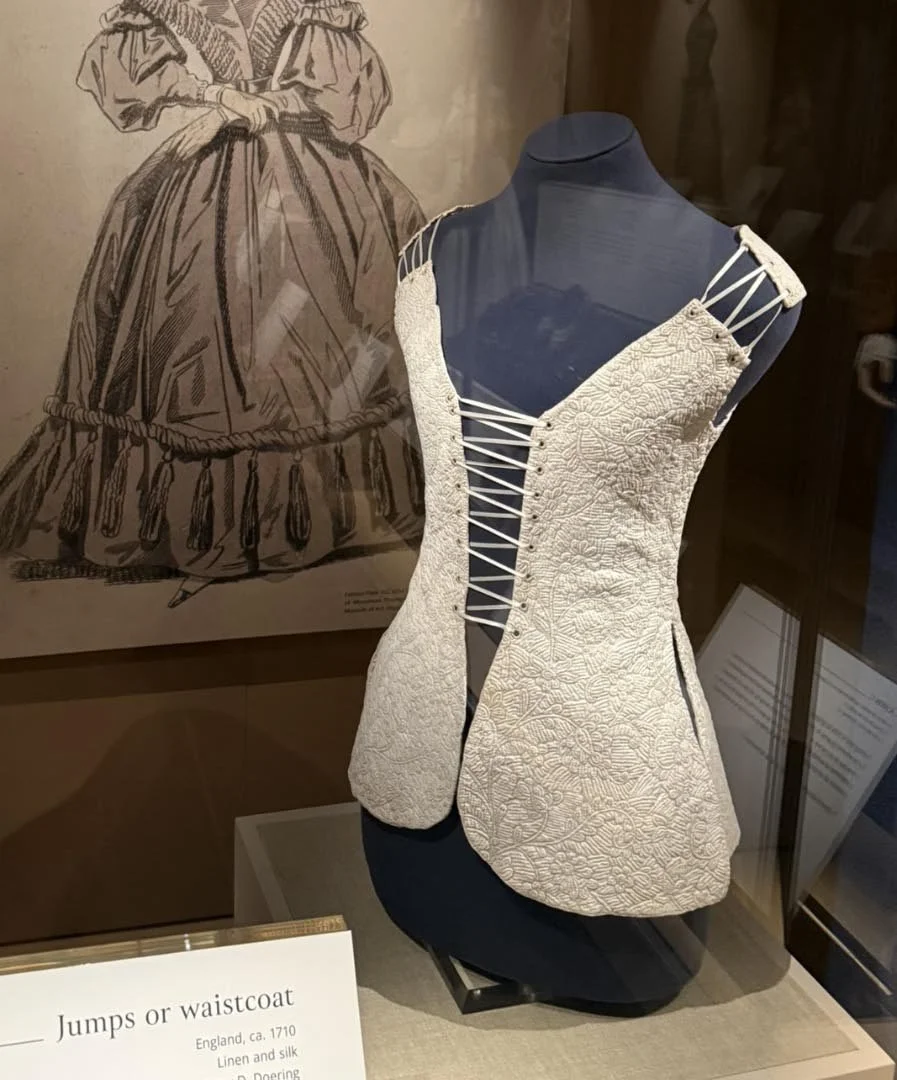
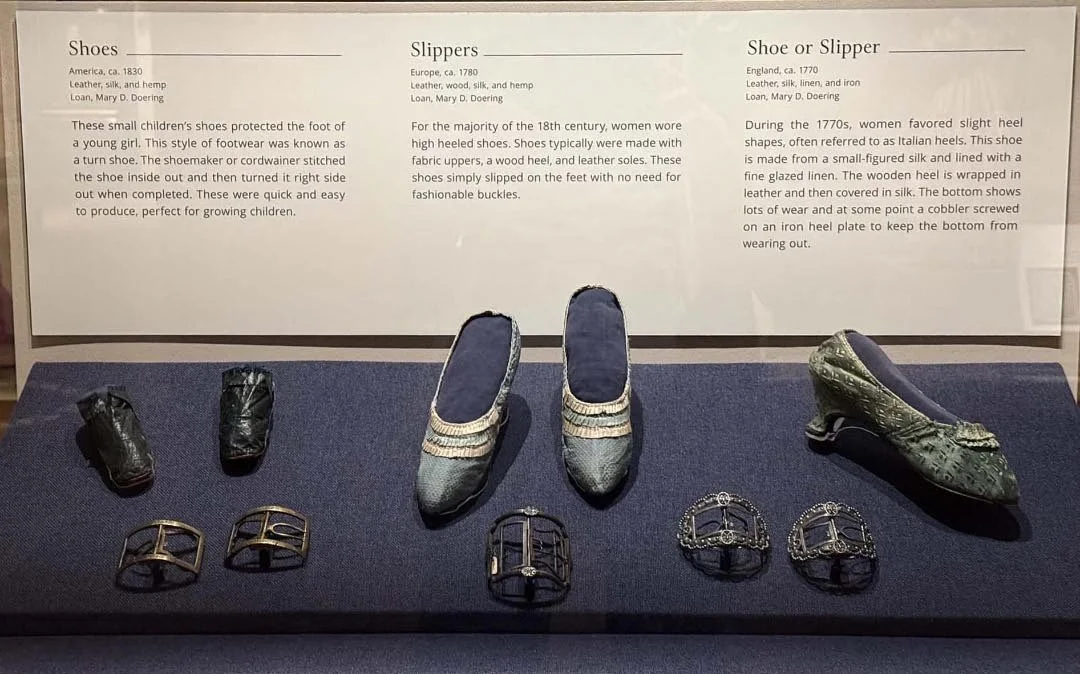
And finally, an assortment of apparel.
Credits for gallery of three prints near top, L-R: The Merchant Taylors 1749. © The Trustees of the British Museum. Shared under a Creative Commons Attribution-NonCommercial-ShareAlike 4.0 International (CC BY-NC-SA 4.0) licence. Tailor section from The Book of English Trades and Library of the Useful Arts 1827. [Gentlemen's fitting measurements diagram for use by tailors], [London], [approximately 1820-1830], Yale Center for British Art, Paul Mellon Fund.
*Measuring tapes with numbers came later, but I can’t give the date in the 19th century when things changed, because I don’t remember!