Meet me in Cambridge? And/or online?

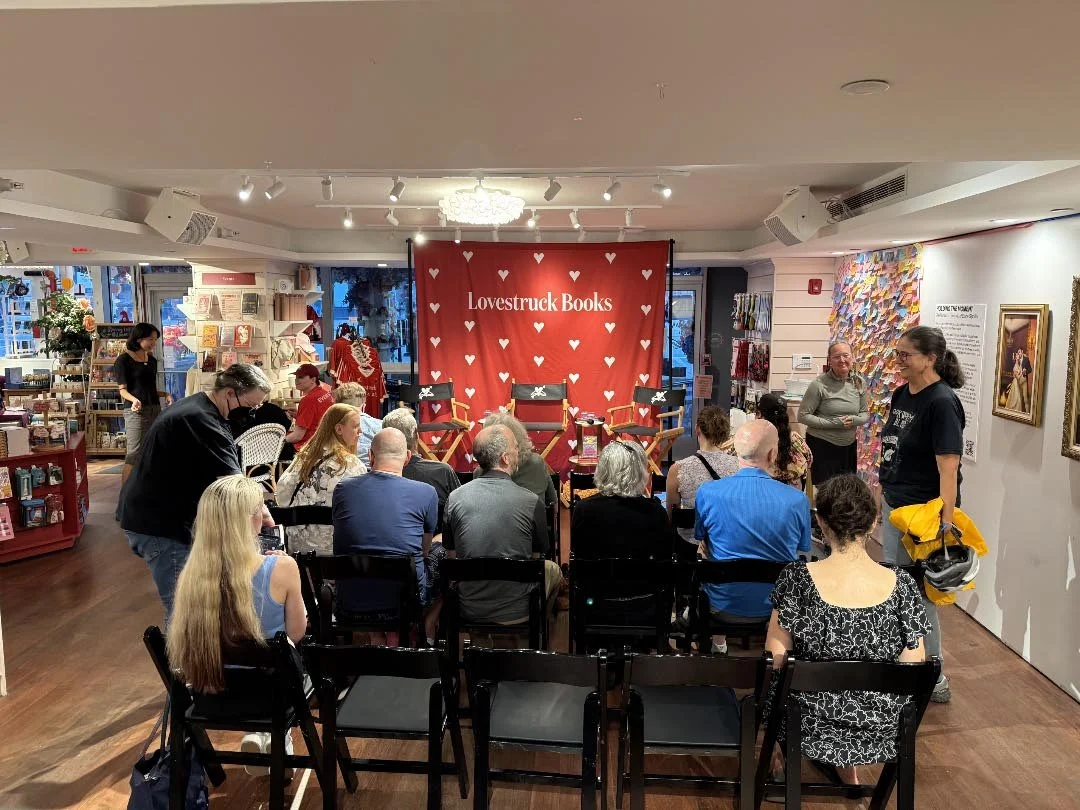
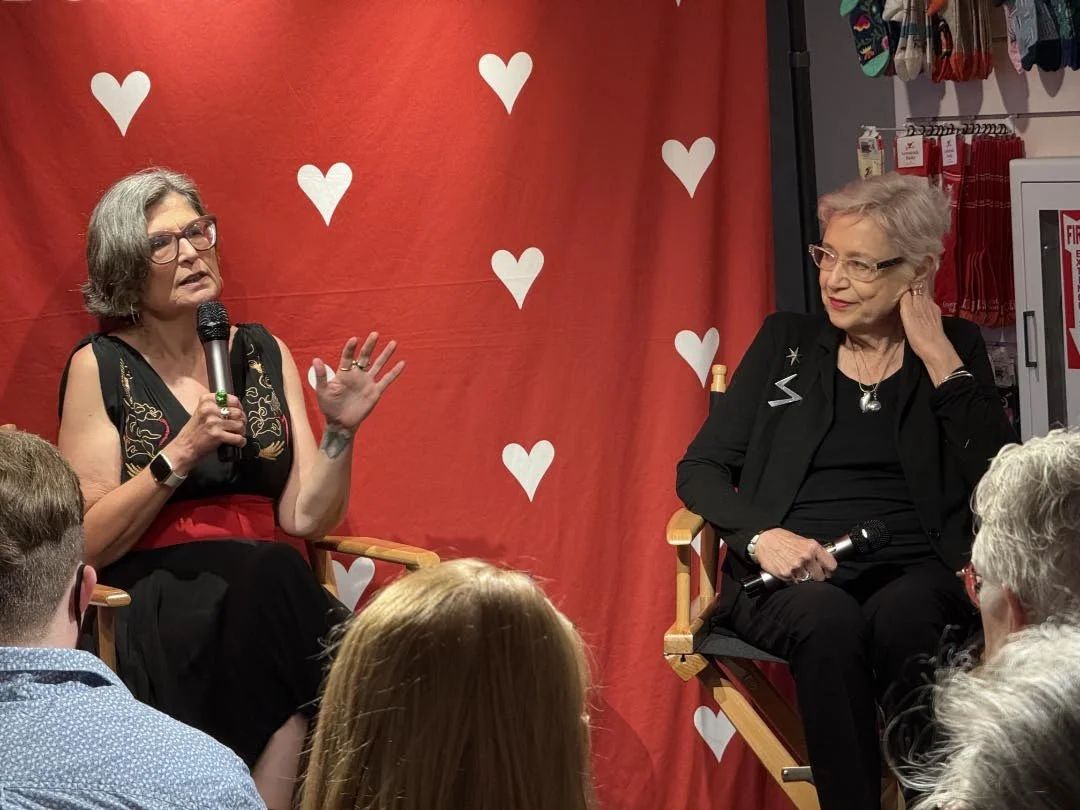
My friend Megan Frampton has a new book coming out in August, and author Felicia Davin and I will be in Cambridge to help celebrate. This is a rather early invitation because space is limited, and these events tend to sell out quickly.

Demons and Diplomacy, the first book in Megan’s Ministry of Supernatural Affairs romantasy series, comes out on on 25 August, but I got an early copy, which I’m about to dive into. Queen Victoria as a vampire? I can’t wait to find out all about it.

Megan Frampton’s latest, Demons & Diplomacy

Details, details: 7 PM - 9 PM / Wednesday 26 August 2026 / Lovestruck Books & Cafe / Cambridge, Massachusetts

This link will give you all the information. Or you can cut & paste this:

https://www.eventbrite.com/e/demons-and-diplomacy-release-party-with-megan-frampton-tickets-1992417562564

In Other News

TWO NERDY HISTORY GIRLS, AGAIN.

Forty-eight-shilling note, issued November 17, 1776, engraved, Boston: Paul Revere. American Antiquarian Society

Historical fiction author Susan Holloway Scott and I return as the Two Nerdy History Girls this coming Monday, courtesy the Ashland (Massachusetts) Public Library. We’ll be talking about everyday life in 1776, when things changed on this side of the pond.

Details, details: 7-8pm Monday 13 July 2026 via Zoom

To find out all about it and register, please follow this link. Or you can cut and paste:

https://ashlandmass.assabetinteractive.com/calendar/virtual-celebrating-americas-250th-the-two-nerdy-history-girls-discuss-everyday-life-in-1776/

REGENCY FICTION WRITERS ANNUAL VIRTUAL CONFERENCE

Though the official Regency was quite short, 1811-1820, we members of the Regency Fiction Writers take the longer view of most social historians, setting the time from the late Georgian to the early Victorian periods, 1780-1840. Among other excellent offerings, the RFW organizes a three-day annual conference for a remarkably low fee—and they’ve extended early registration to 11 July.

The conference is virtual. You never have to leave the comfort of your favorite screen-viewing area. You don’t have to worry about missing overlapping sessions. You learn things from a stellar line-up of workshop presenters. Also, it’s fun. It’s open to members and non-members (but members get the lower rate, as you’d expect). If you’re writing or thinking about writing fiction set in this era, do consider joining the group. But if you’re not sure about joining just yet, maybe try the conference?

James Pollard, Arrival of the Stage Coach

Details, details: Regency Fiction Writers 2026 Virtual Conference / 30 July – 1 August 2026

You can learn more by following the link above, or by cutting and pasting this link:

https://regencyfictionwriters.org/events/conference/

Image credits: 1. The Crystal Palace in Hyde Park for the Grand International Exhibition of 1851, courtesy Wikimedia. 2. Megan Frampton event, image courtesy Megan Frampton and Lovestruck Books & Cafe. 3. Forty-eight shilling note issued November 17, 1776, engraved, Boston: Paul Revere, courtesy American Antiquarian Society. (“By July 1775, the Provincial Congress of Massachusetts recognized the urgent need for paper money in multiple denominations to support trade and to pay obligations during the Revolution. They commissioned Boston silversmith and engraver Paul Revere (1735-1818) to design and produce the plates. He was paid £8 for engraving the plates and just over £41 for printing the 37,040 bills in the issue. His original design featured a figure holding the Magna Carta—a symbol of traditional rights—but for the November 17, 1776, issue, Revere revised the image to show the figure holding a document labeled “Independance,” a misspelled reflection of the colony’s embrace of the Declaration of Independence adopted that July.”) 4. James Pollard, “The Arrival of the Stage Coach,” 1816, from Thomas Cook, “The Autobiography of a Stage Coachman” (1861).

Happy Valentine's Day & A Save-the-Date

Valentine’s Day entry from Hone’s Every-Day Book, originally published in 1825-26:

Two hundred thousand letters beyond the usual daily average, annually pass through the twopenny post-office in London on St. Valentine's Day. “Two hundred thousand twopences,” said an old gentleman as he read this in a March newspaper, “are four hundred thousand pence,” and he was going to cast up the amount—"Why, papa," said his daughter, "that's just the number of young folks there must be in love with each other that's the way to reckon." "Ah, my child, that's not the way to reckon; you have taken something into the account that has no business there: all Valentine-writers are not in love, nor are all lovers Valentine-writers; and remember, my dear girl, that as smiles on the face sometimes conceal cruel dispositions, so there are some who write Valentines, and trifle with hearts for the mere pleasure of inflicting pain."

Well, Papa isn’t wrong. And his remarks hold plot potential for a romance novel. Reading one, I believe, is a fine way to celebrate Valentine’s Day.

The exchange of notes or cards goes back to the Romans. This article from the American Antiquarian Society briefly summarizes the history. You can also click on the links to see examples of early Valentines, and discover Esther Howland, a 19th century entrepreneur from my hometown. The 1914 card I’ve used for this blog post was the front of a post card. You can read the card if you follow this link.

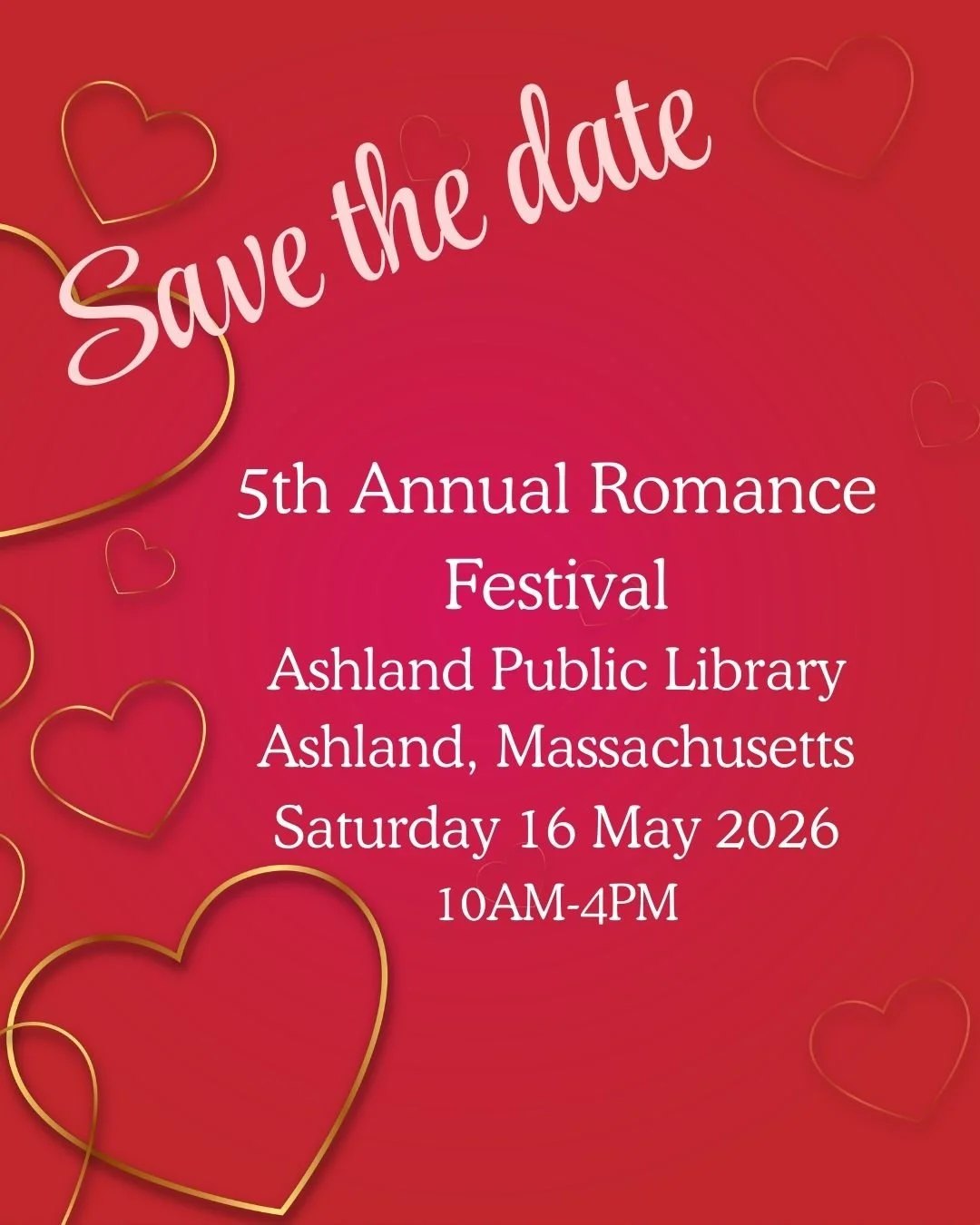
In other romance news, the Ashland (Massachusetts) Public Library will hold its annual Romance Festival (formerly RomCon) on 16 May. I will be there. I wouldn’t miss it for anything except a month in London, which kept me away last year. For details, please follow this link. The event is free, but you are asked to register, so that planners can make sure there’s room for everybody. You can register directly via this link.

Two Nerdy History Girls on YouTube

If you missed the Two Nerdy History Girls’ chat with Meena Jain and the wonderful group of readers and nerdy history people who joined us, you can tune into YouTube. Or you might want a replay in case you missed something. I sure did. While I love not knowing what questions will arise (it keeps my brain stimulated), I know there will be some whose answers escape me at the time—or maybe I’ll think of additional information after the chat is over. So yes, this happened, and I will probably do some follow-ups.

If you’d like to watch or re-watch, here’s the link. Or you can look up “The Two Nerdy History Girls Ride Again! 4.14.2025”, which is on the Ashland Public Library MA channel.

Readers asked about Court dress and maternity wear (very important at a time when so many women spent most of their childbearing years bearing children) as well as a number of questions about medical care, disease, women’s health.

If you’d like to follow up on a subject raised during the chat, you can send me an email via the Contact Loretta page on my website. Your topic might be quite blogworthy—which would allow me to go on and on in nerdy history fashion—something to look forward to!

In excellent timing, @littleblossomdarling (Blossom Darling on Facebook), very recently posted a short video about menstruation and women’s clothing. You might want to follow her on social media, because she tackles many of the same topics that come up in these chats and elsewhere. And a note of credit to dress and textile historian Hilary Davidson (@fourredshoes) whose discussion of Jane Austen’s clothing got the 2NHGs thinking about women’s heights.