
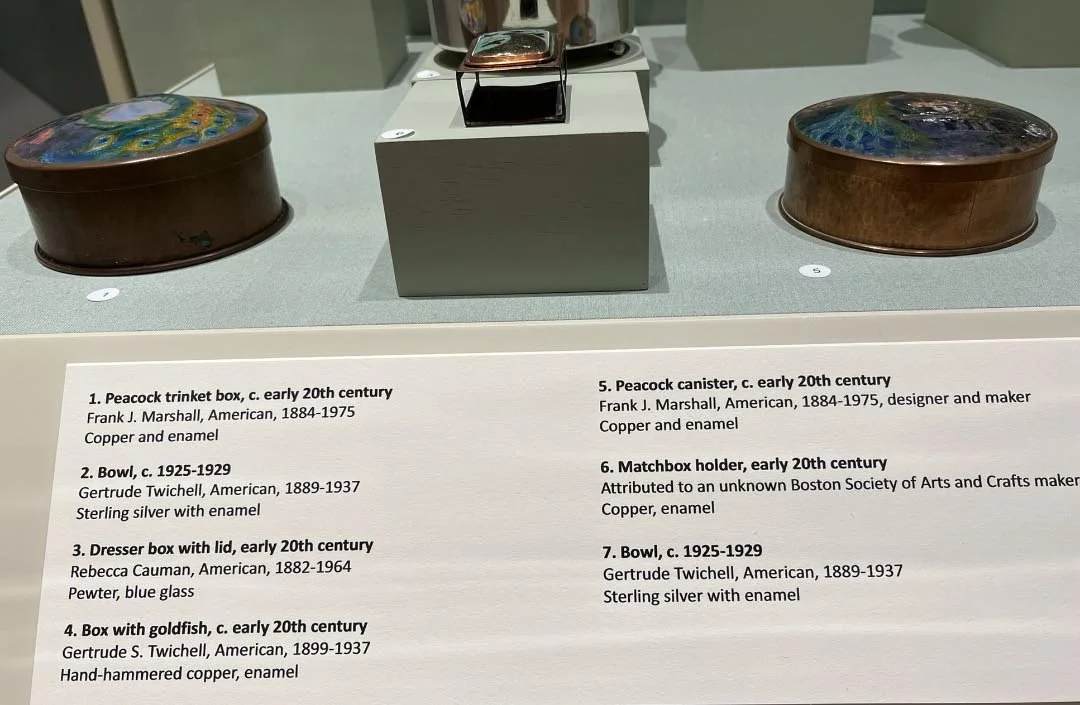
The Museum of the American Arts & Crafts Movement in St. Petersburg, Florida, is a fairly recent entrant on the local museum scene. It is also a spectacular one, starting with its spacious and modern—no, not Arts & Crafts style—building, which makes quite a showplace for this extensive collection.
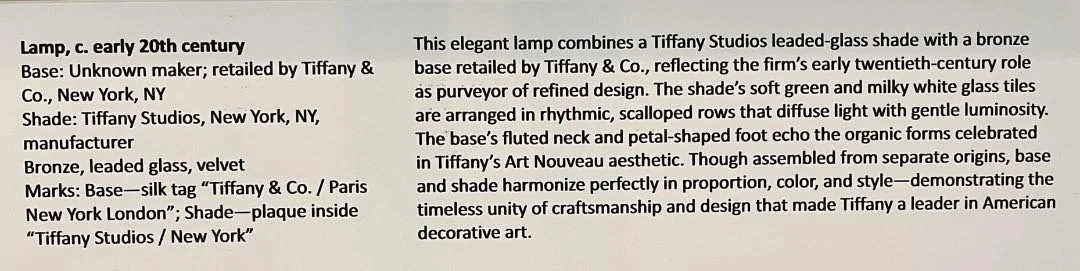
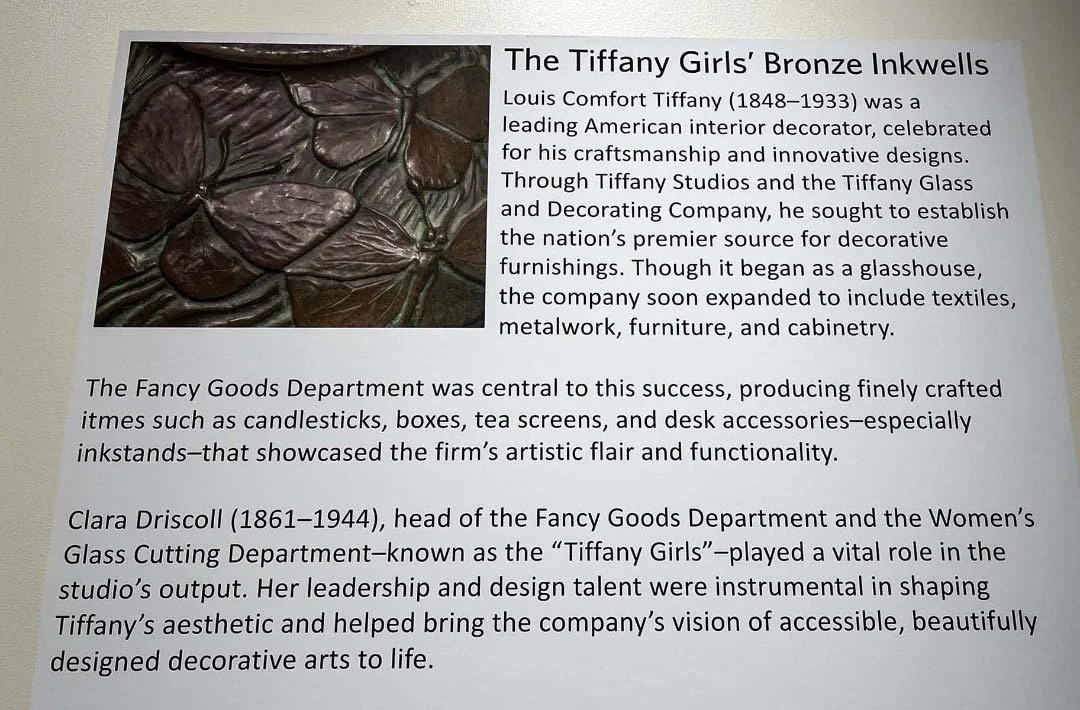
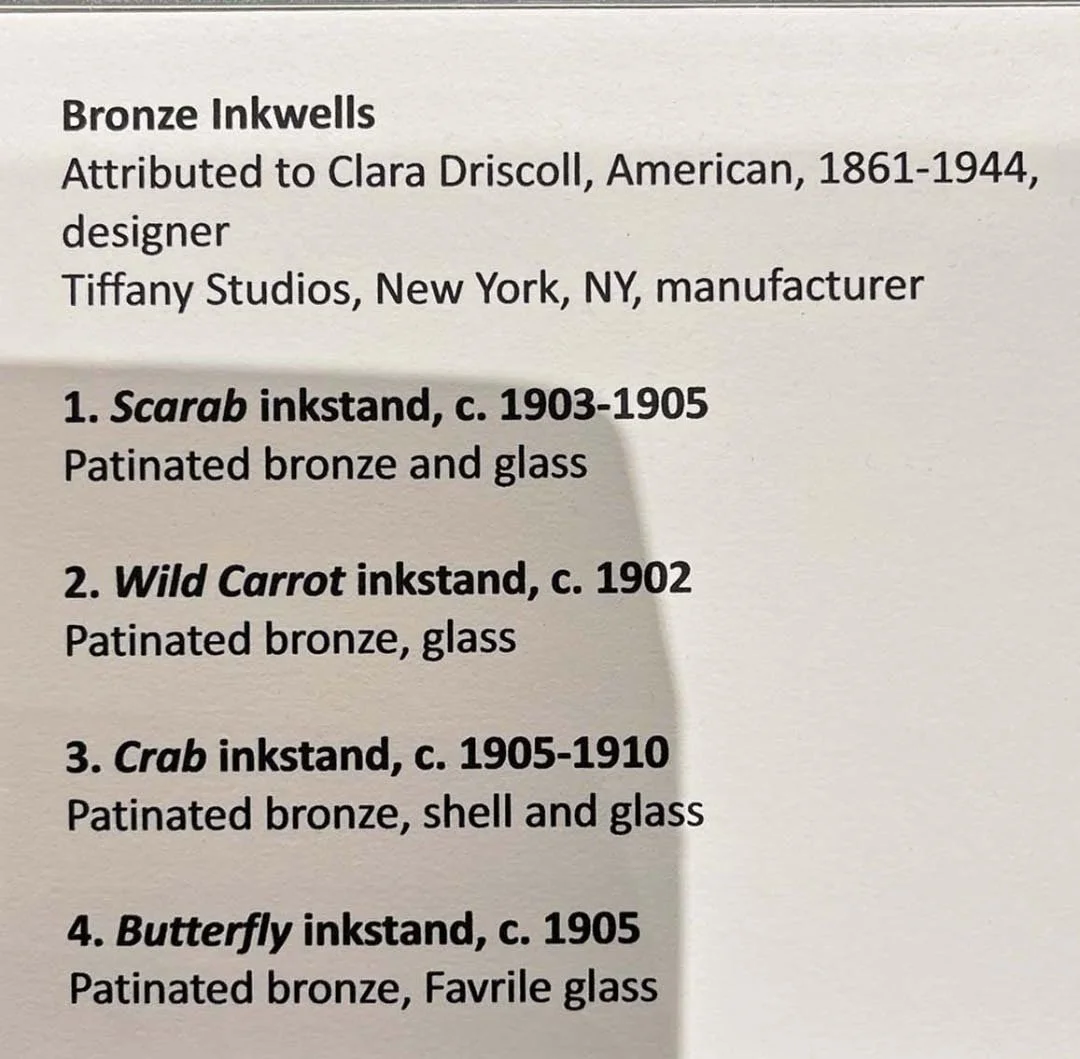
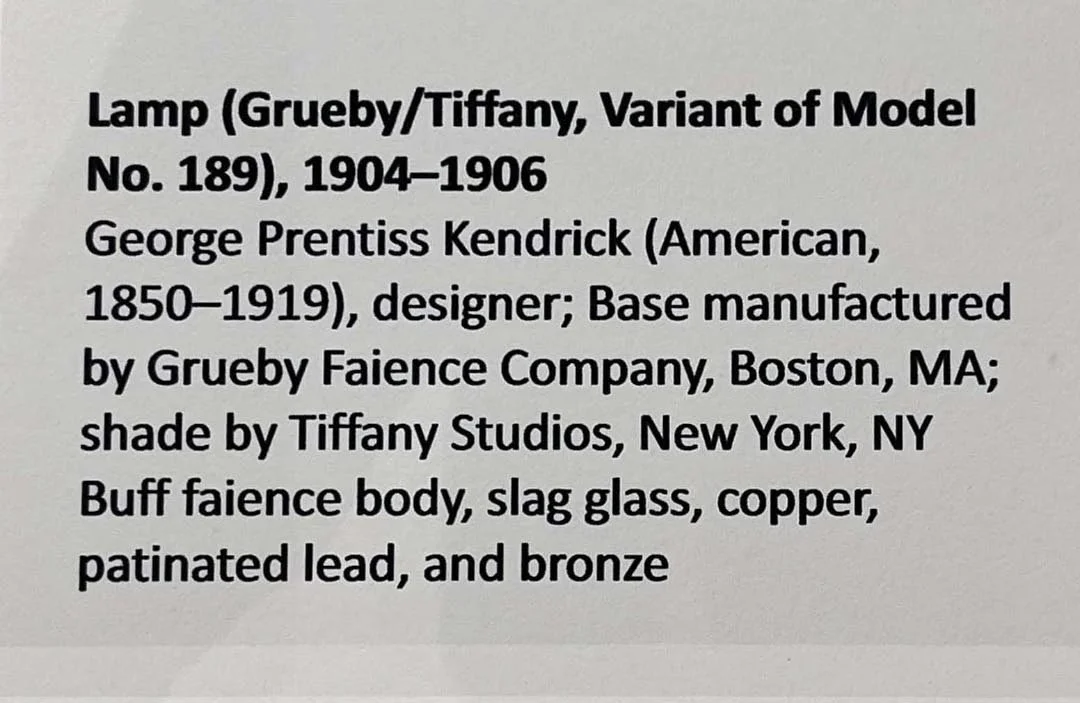
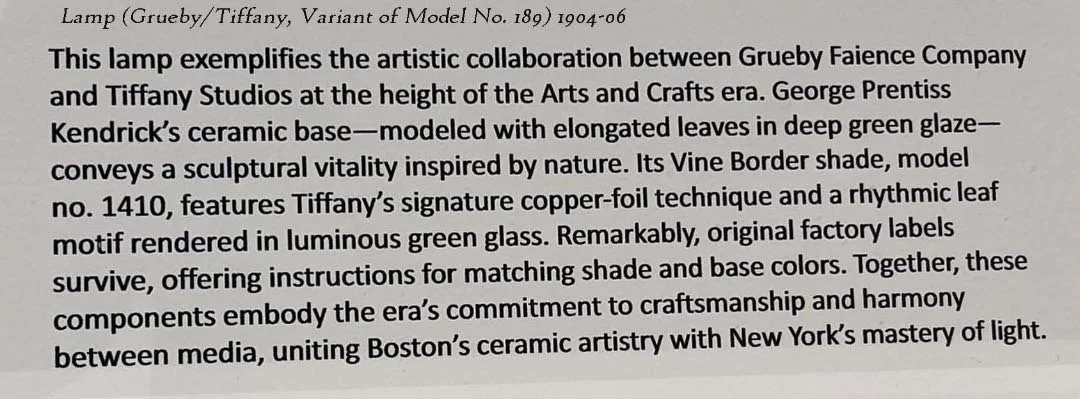
This being Women’s History month, the majority of images I’m including are works by women. I’ll start with the Tiffany lamps. Not until the early part of the current century were we made aware of how much of this work was done by women, namely, Clara Driscoll and the Tiffany Girls.
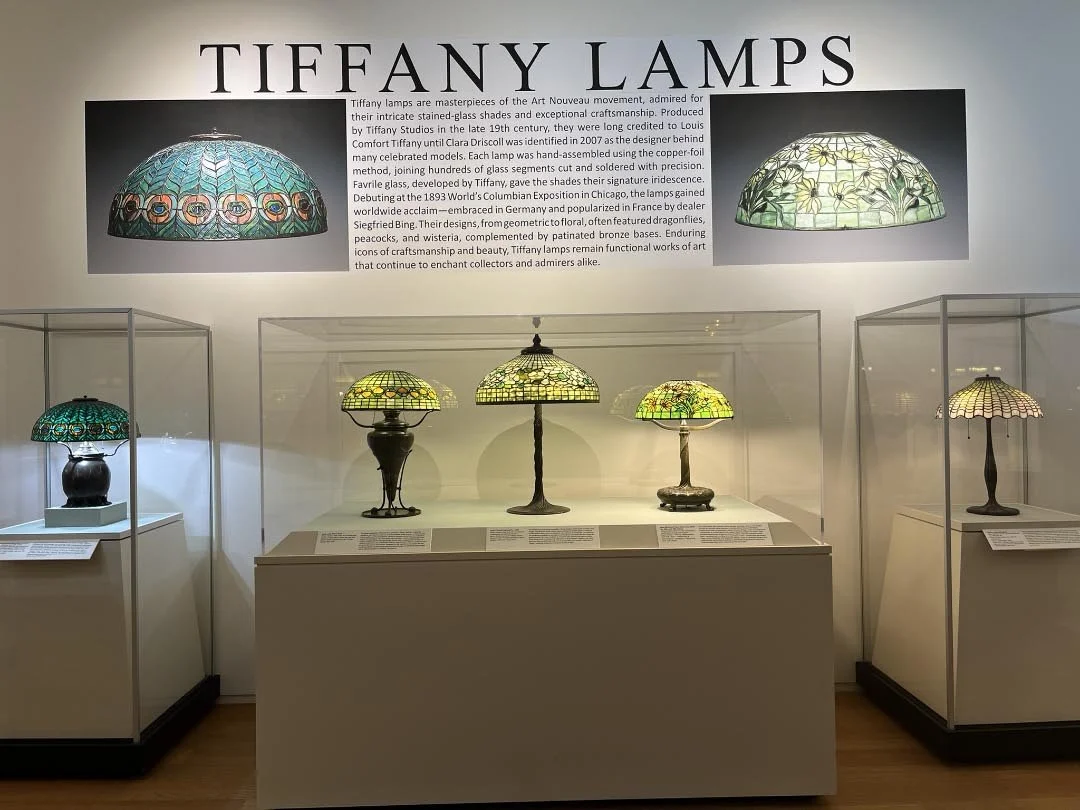
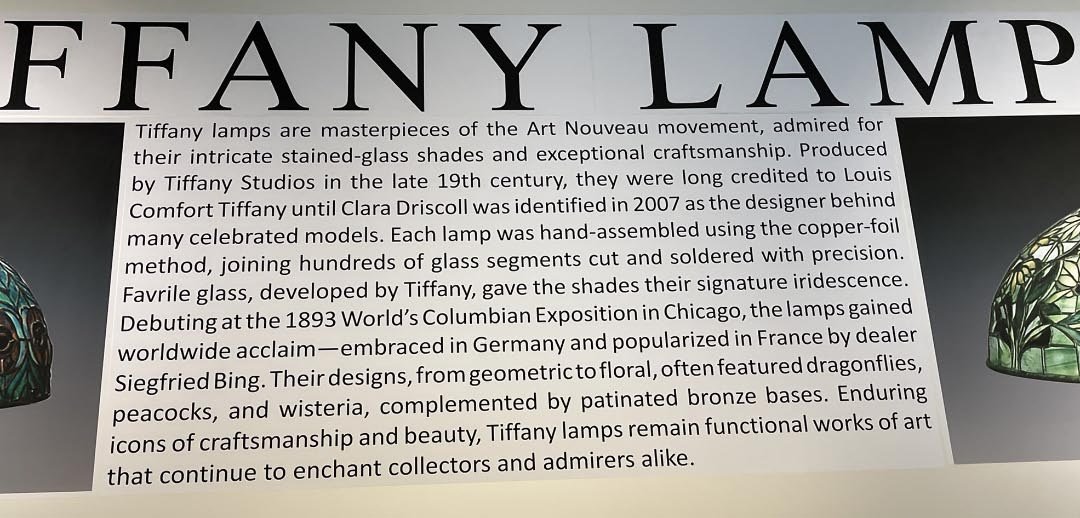
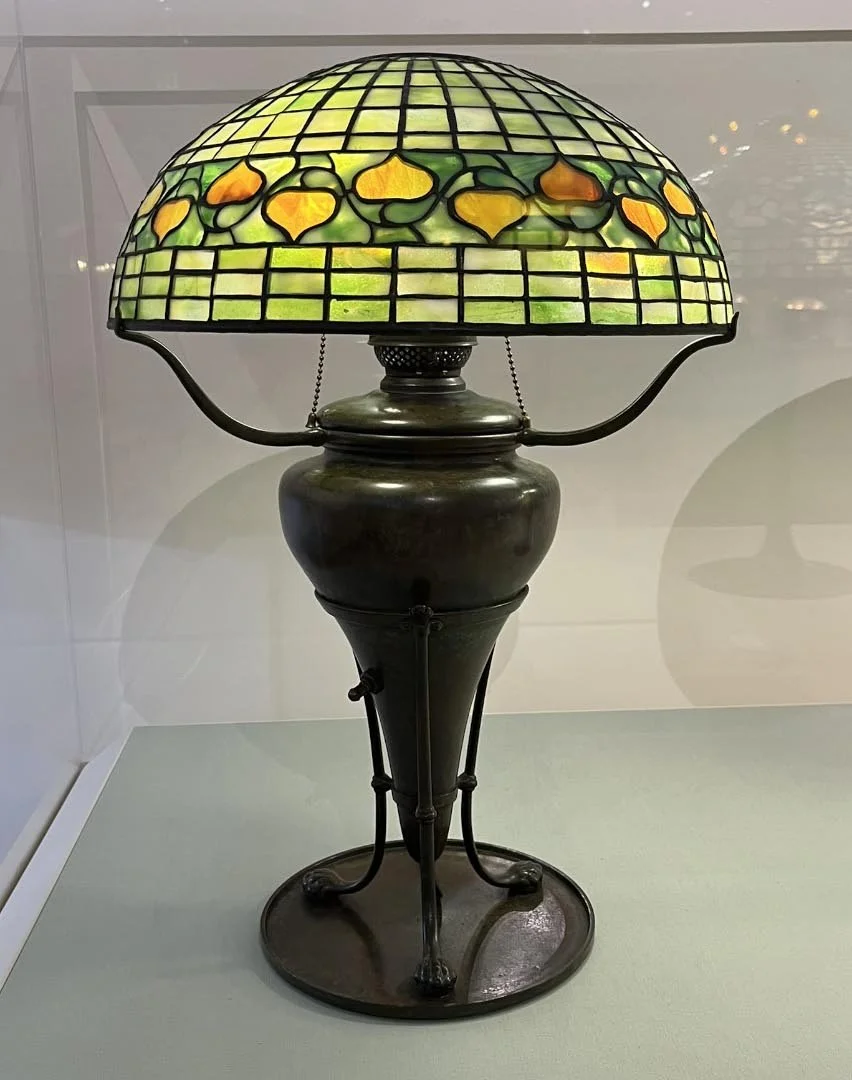
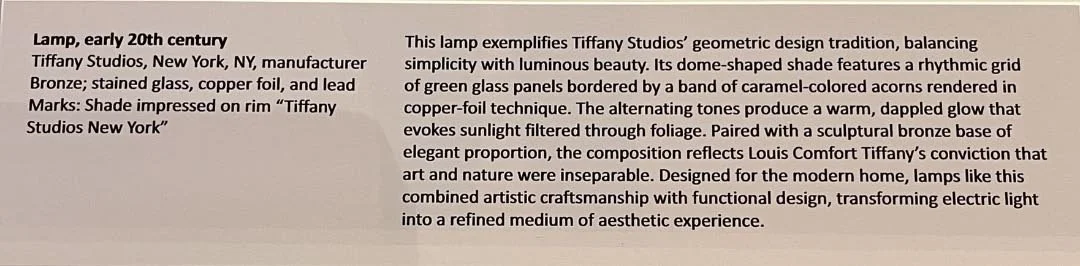
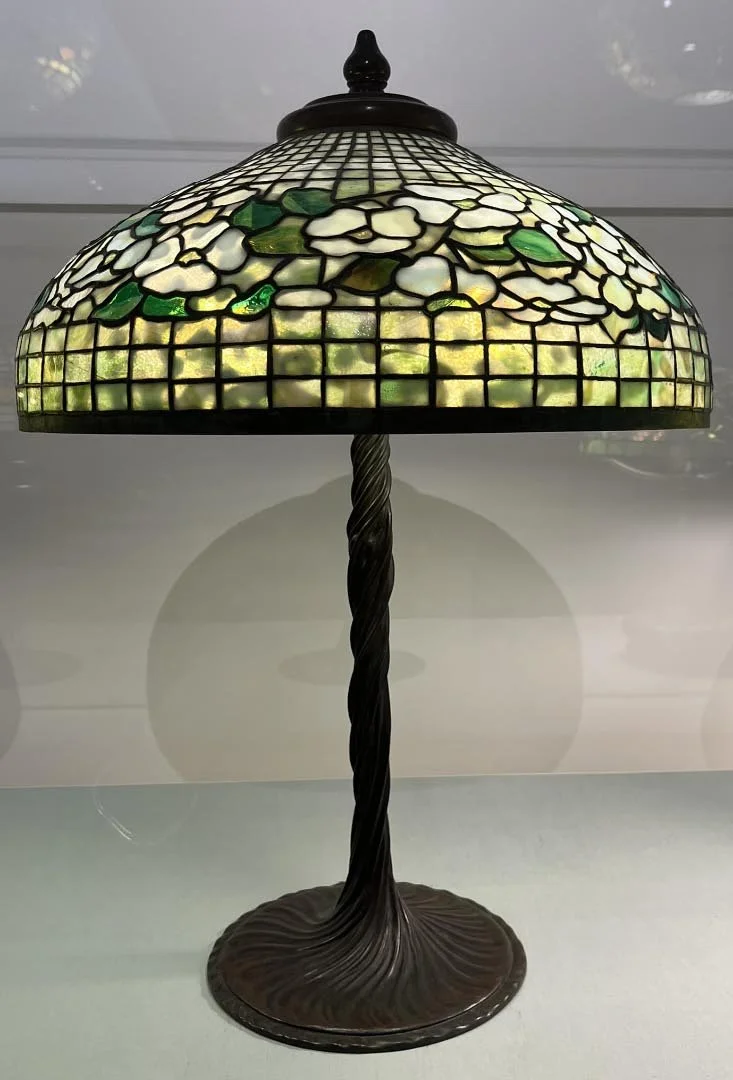
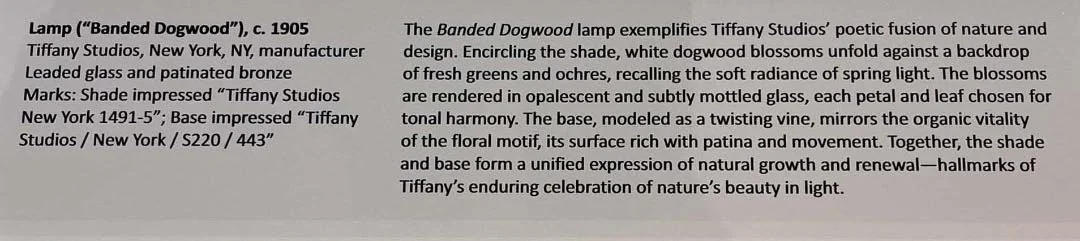
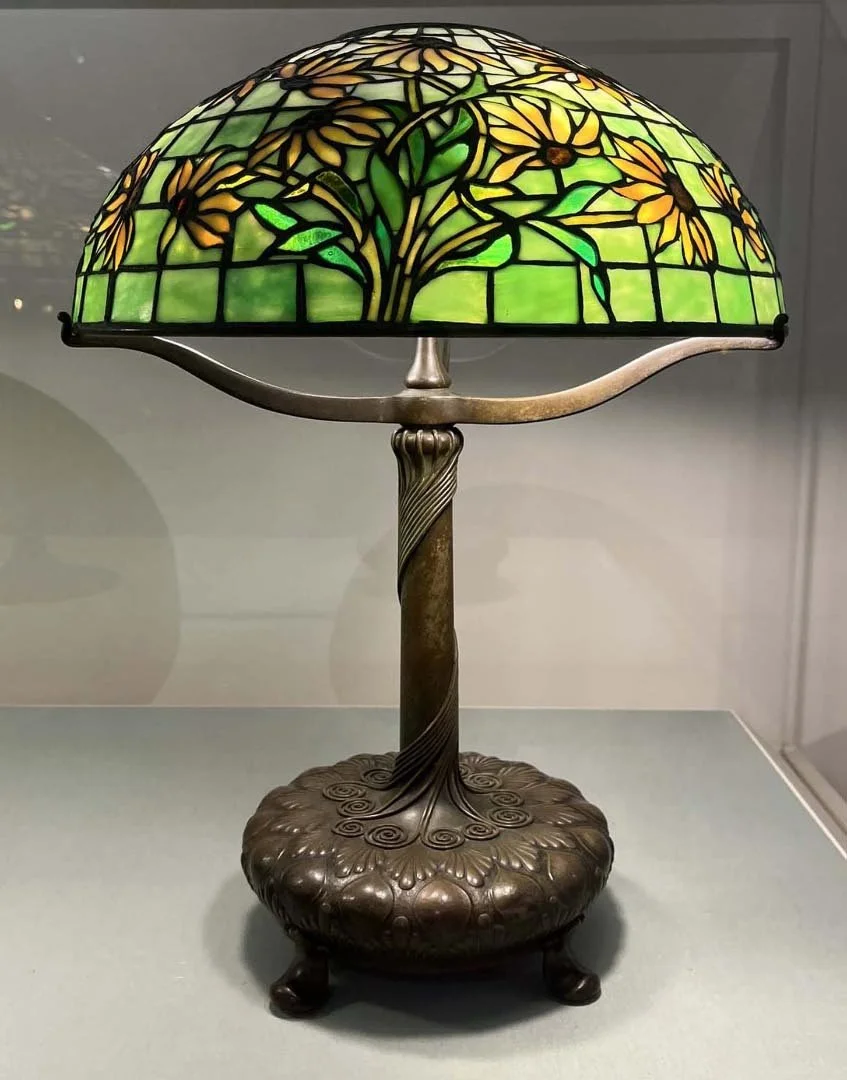
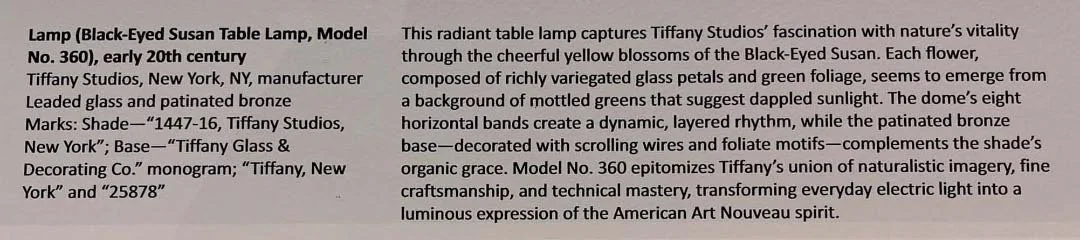
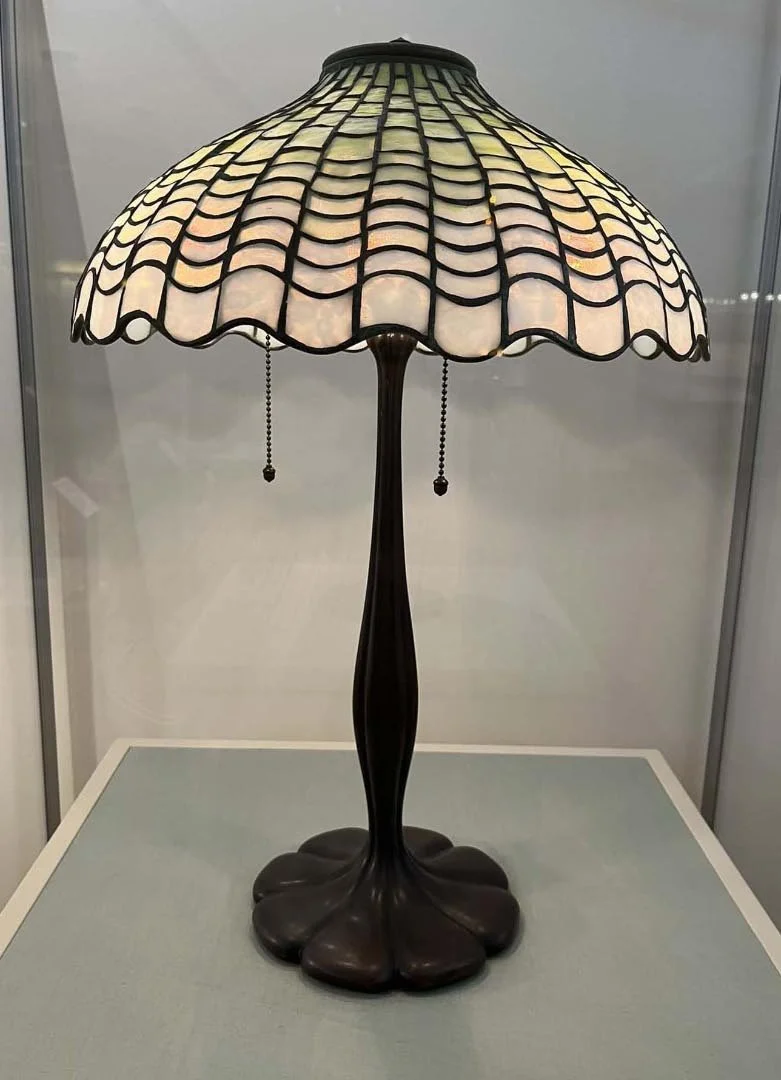
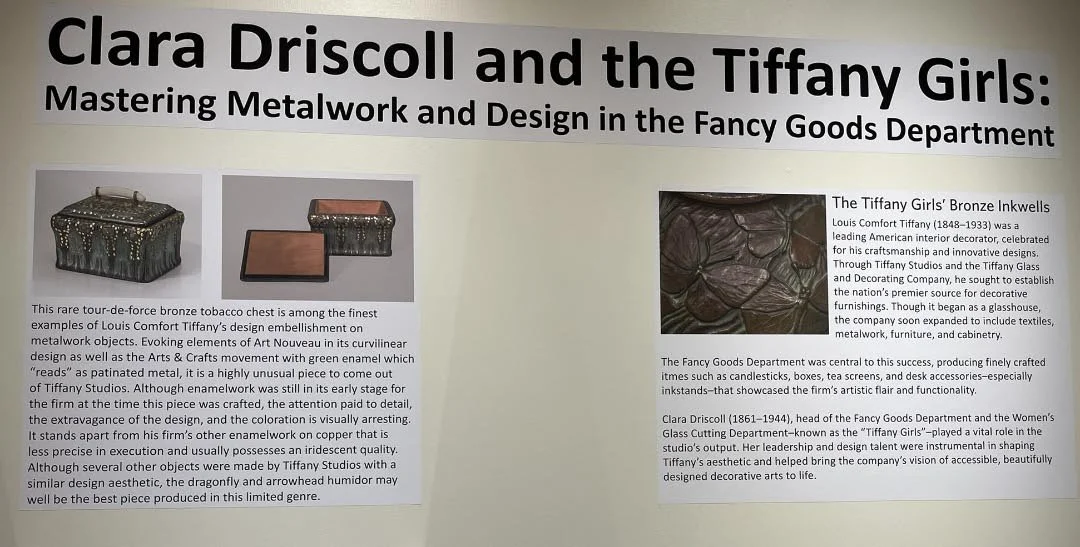
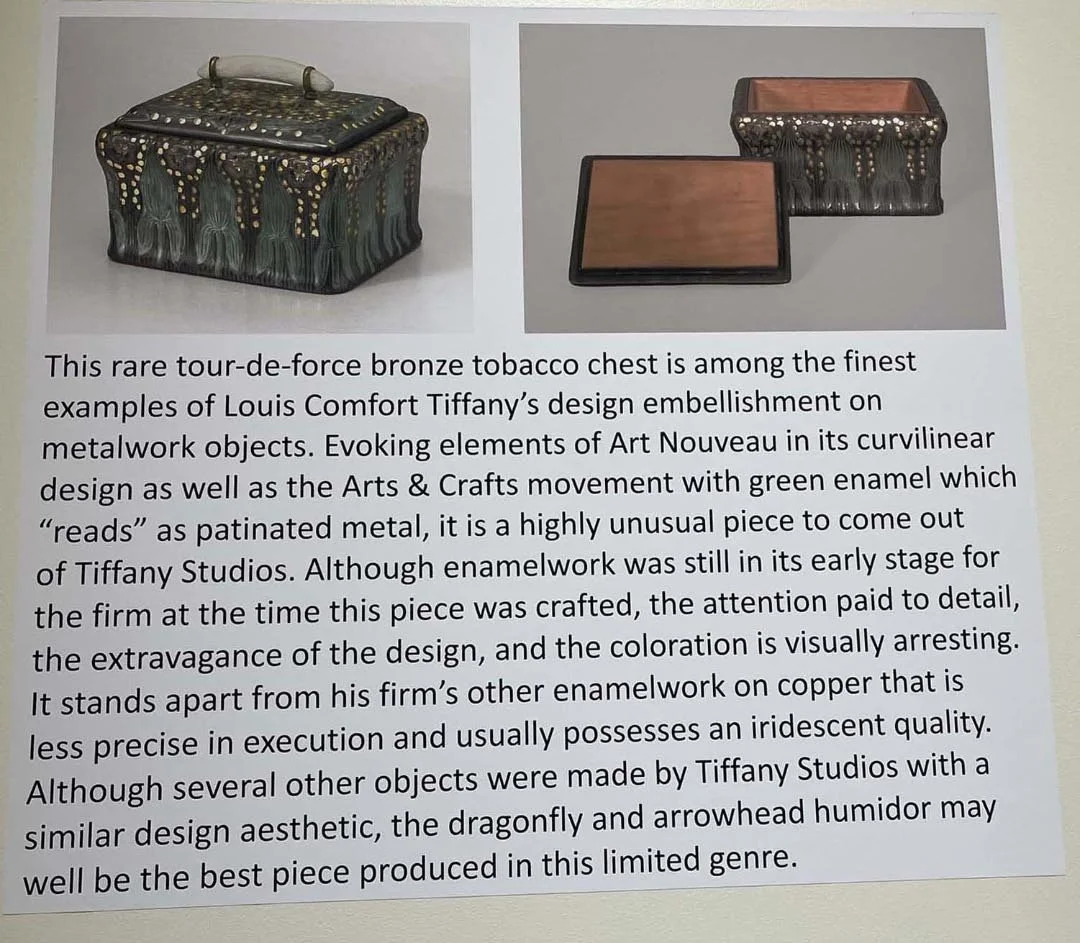
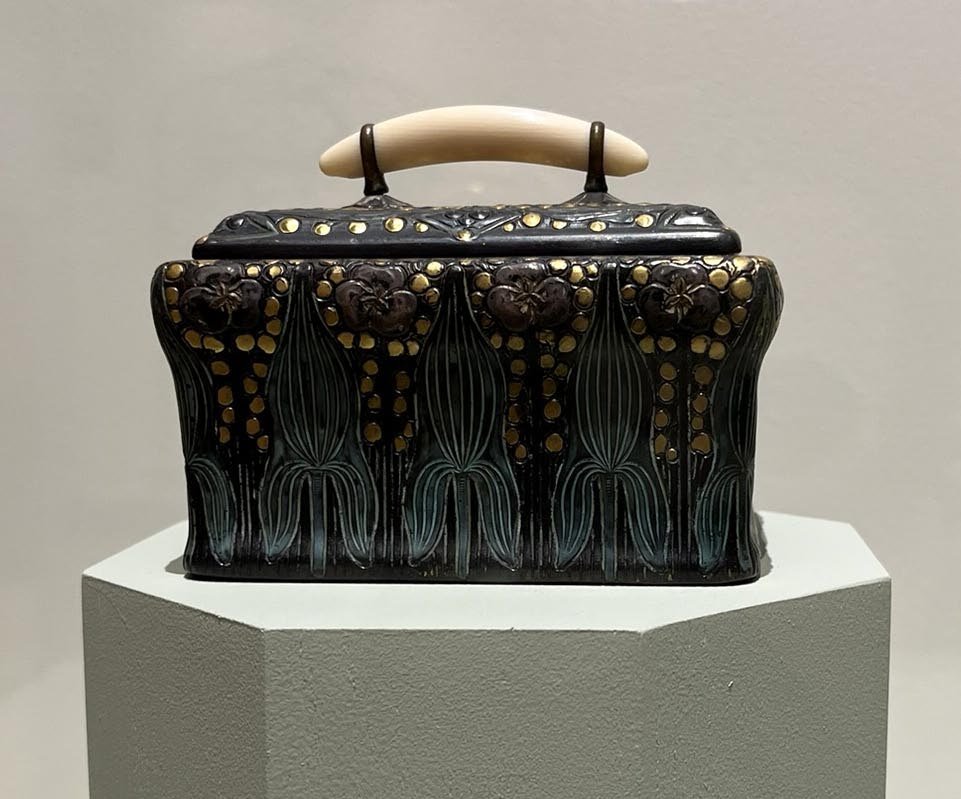
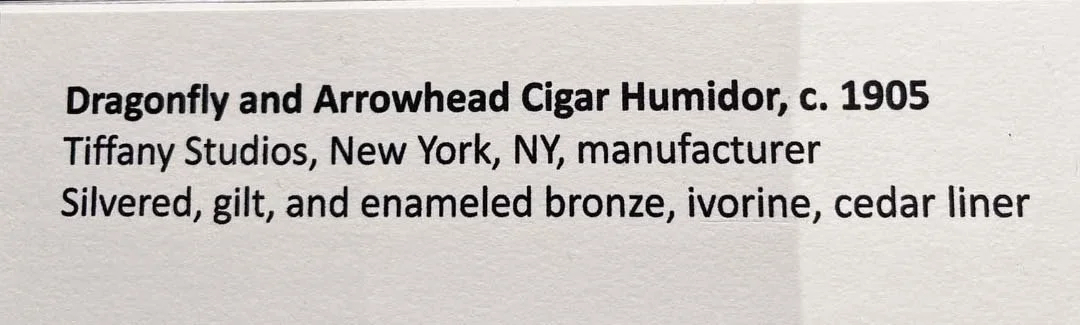
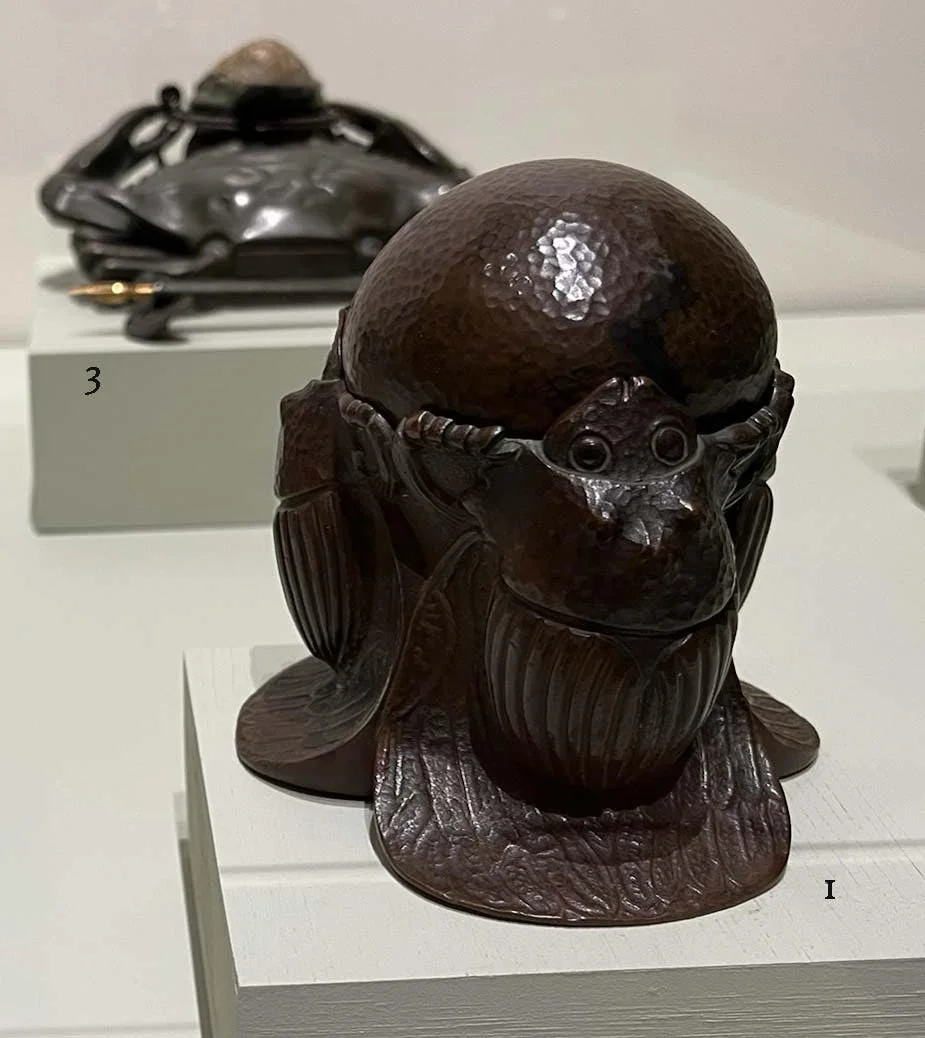
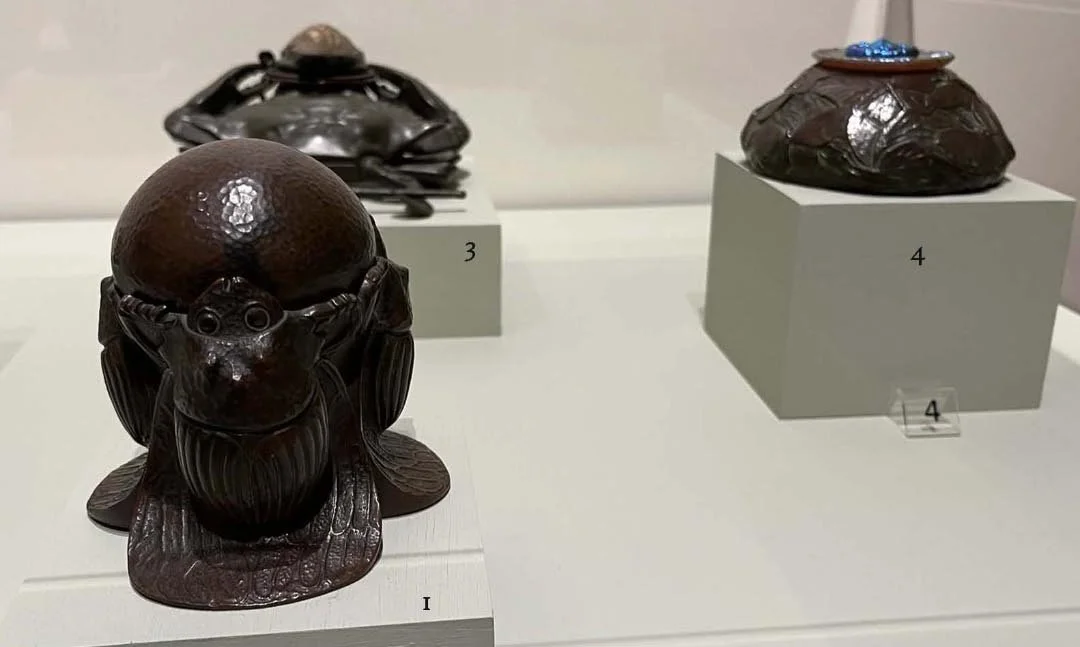
But Clara Driscoll and the Tiffany Girls created more than lamps.
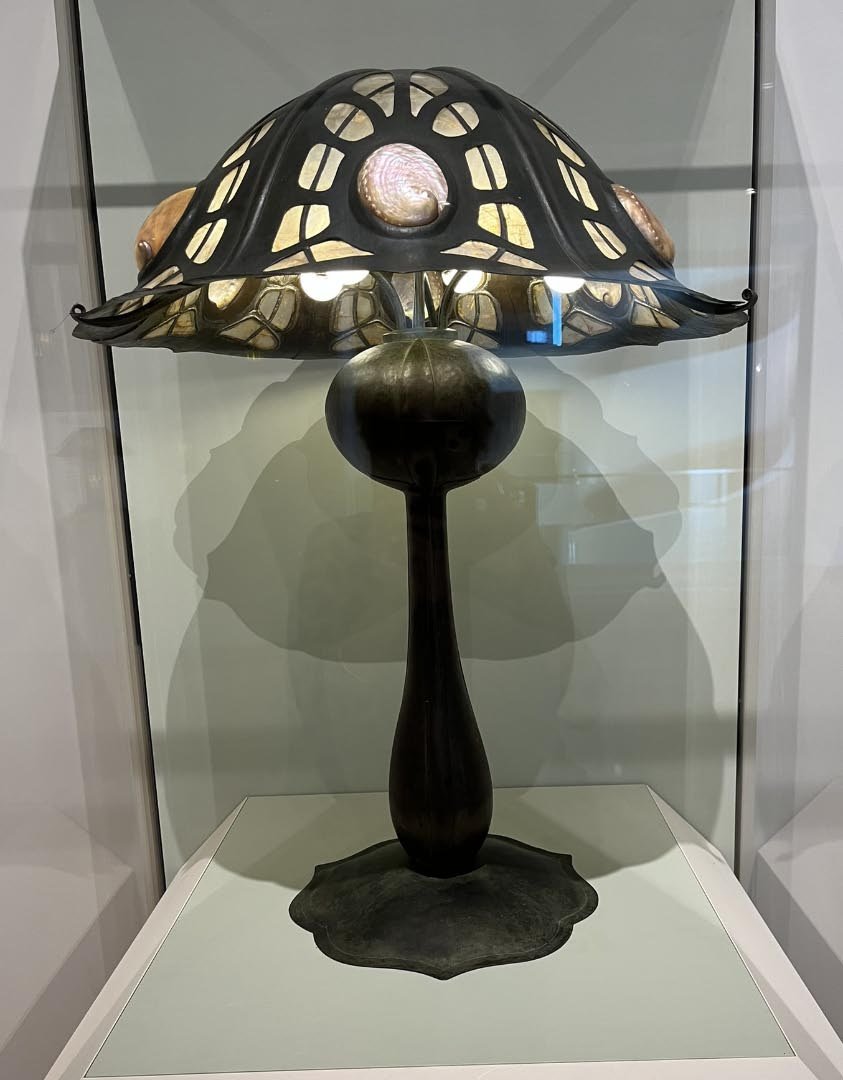
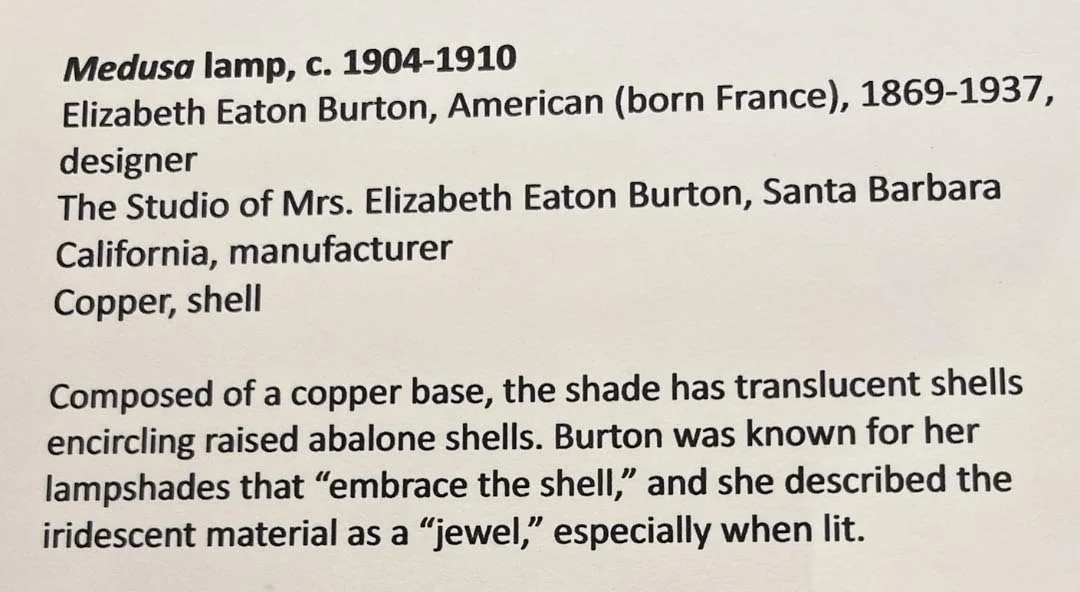
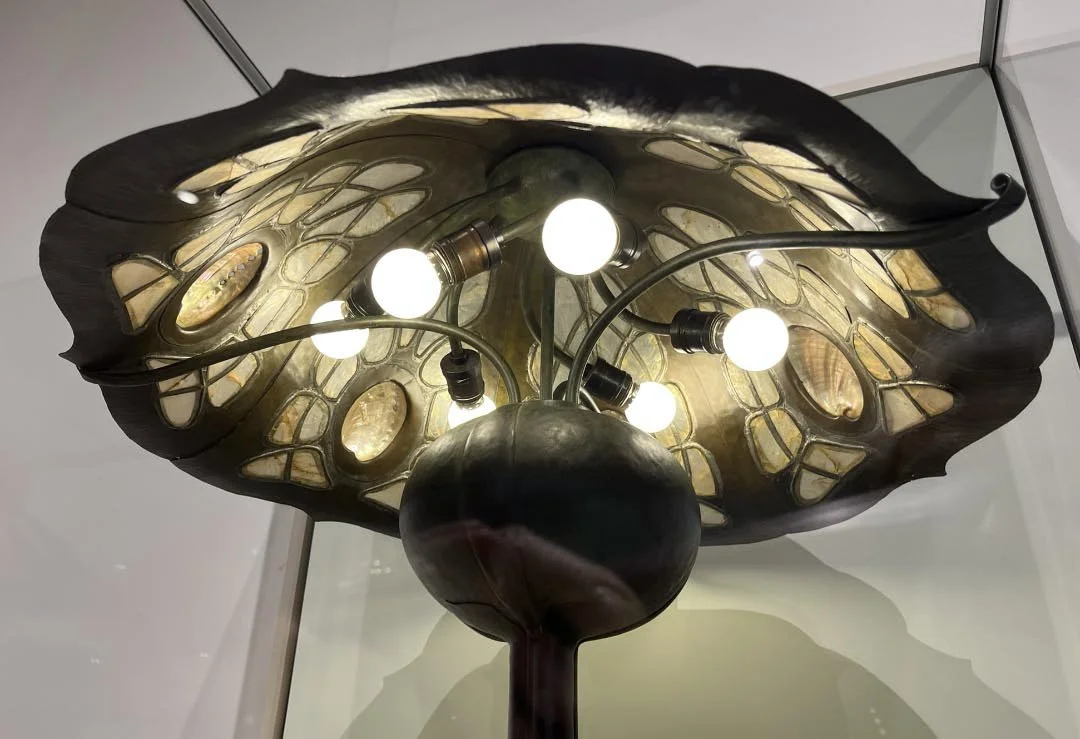
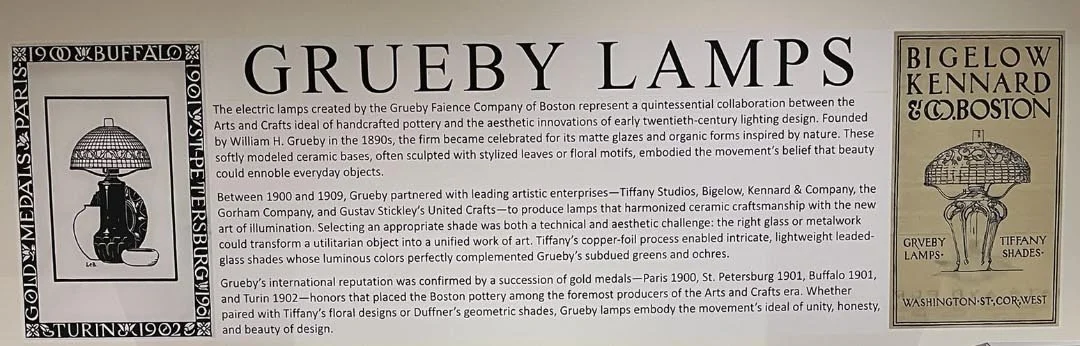
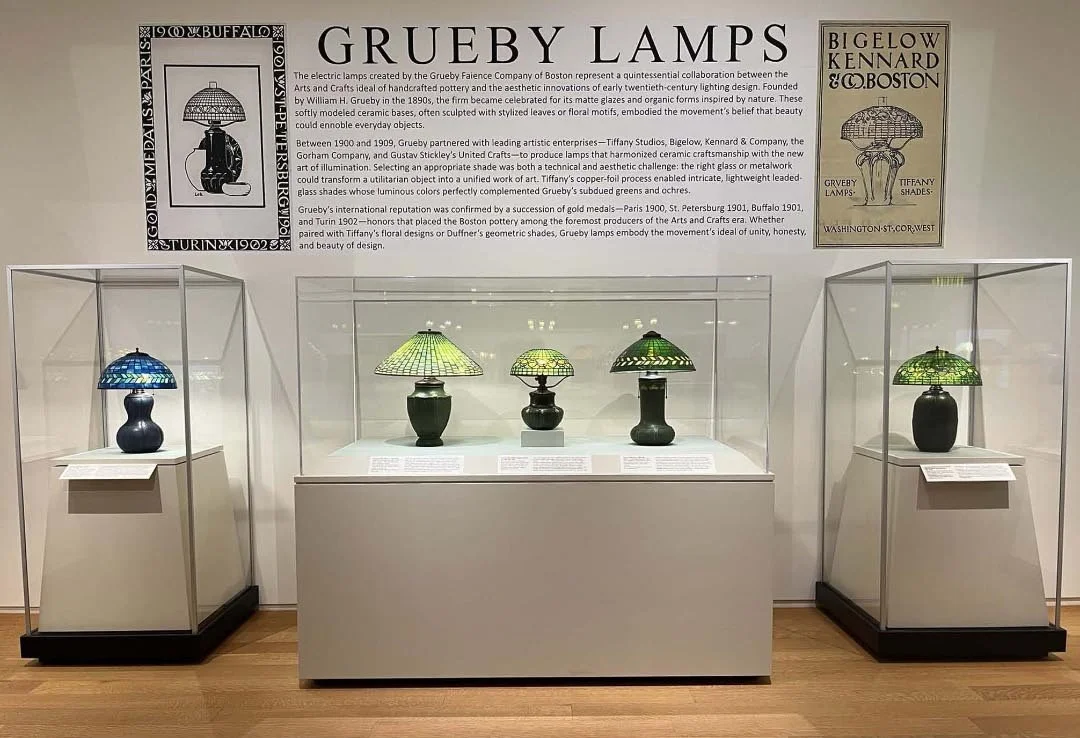
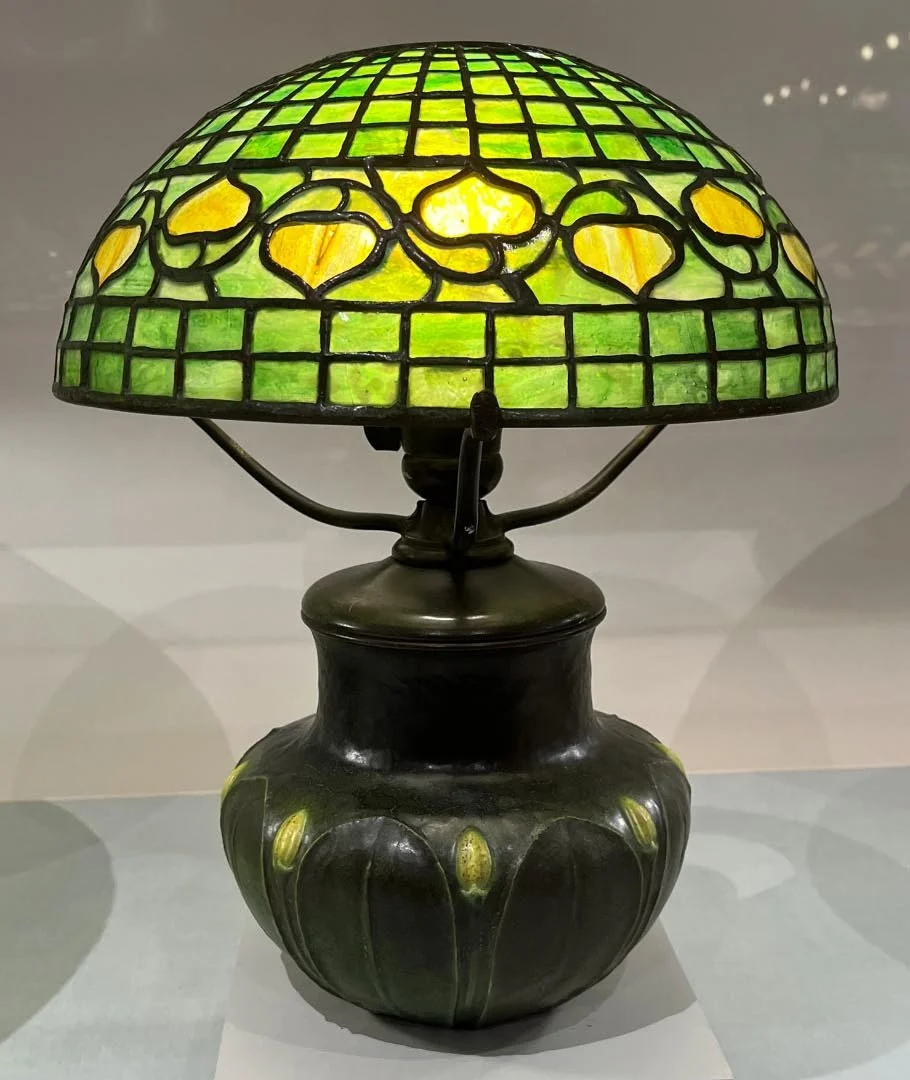
I thought the Medusa lamp designed by Elizabeth Eaton Burton (1869-1937) was pretty spectacular—and it was nice to get the inside view. The Grueby Faience Company, in Massachusetts, also made beautiful works. But I’ve kept those to a minimum, because some of you are probably thinking, Enough with the lamps already. Still, I would have taken more photos, but there was so much museum to see, and not enough time to see it all.
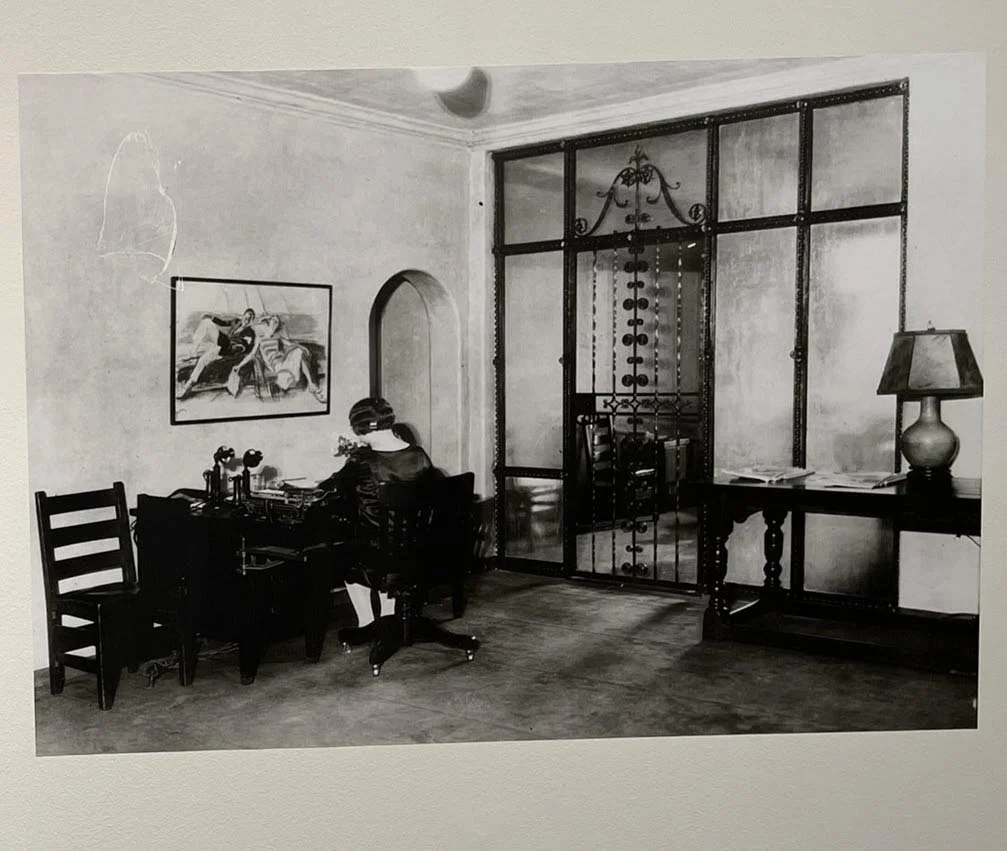
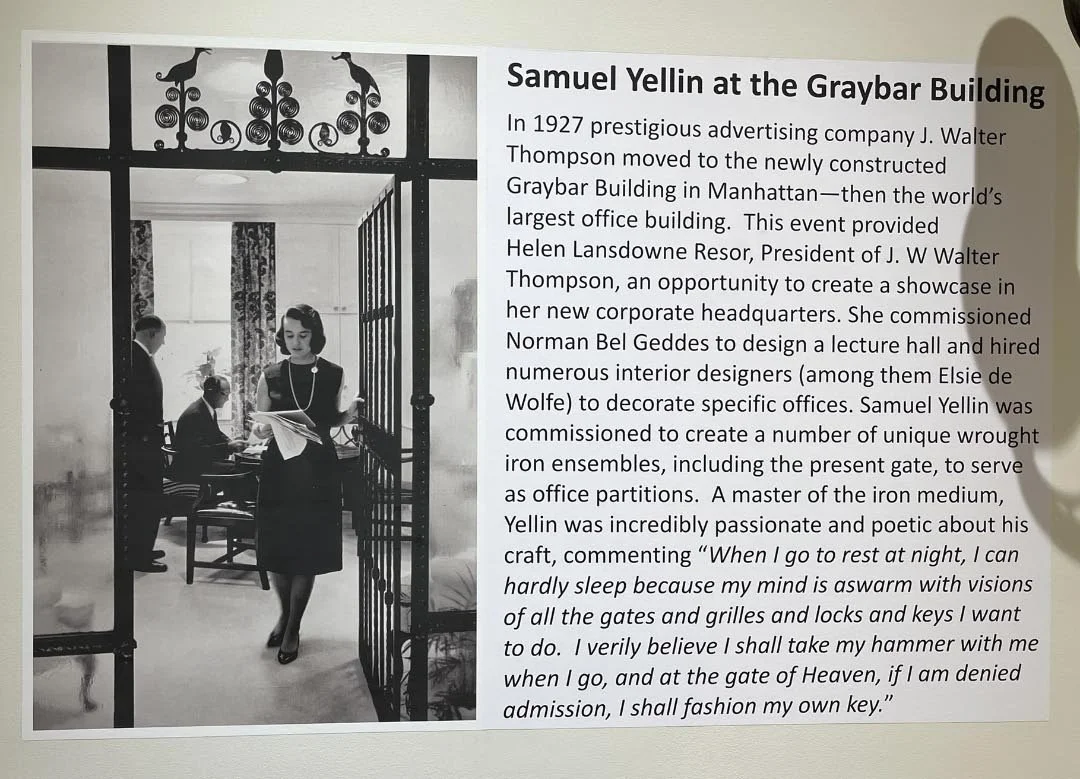
Well, I didn’t know that a woman ran the advertising agency J. Walter Thompson. The museum has Helen Ransdowne Resor as president when they moved into New York’s Graybar Building in 1927. Other sources refer to her as a vice president or manager. Clearly, she ran the creative side, whatever the title was. And how much more aesthetically pleasing was the office she and others worked in after the move. I loved that the museum recreated one of the offices, with the pebbled glass and Samuel Yellin’s beautiful ironwork.
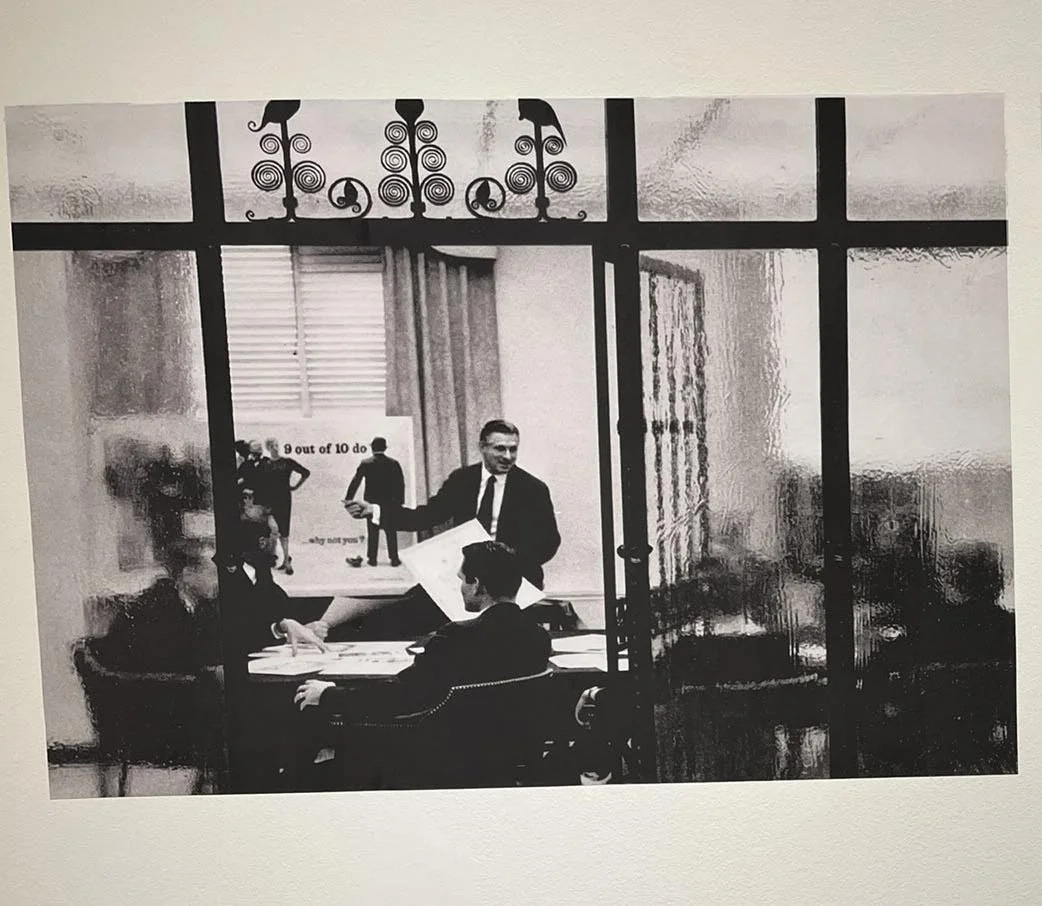
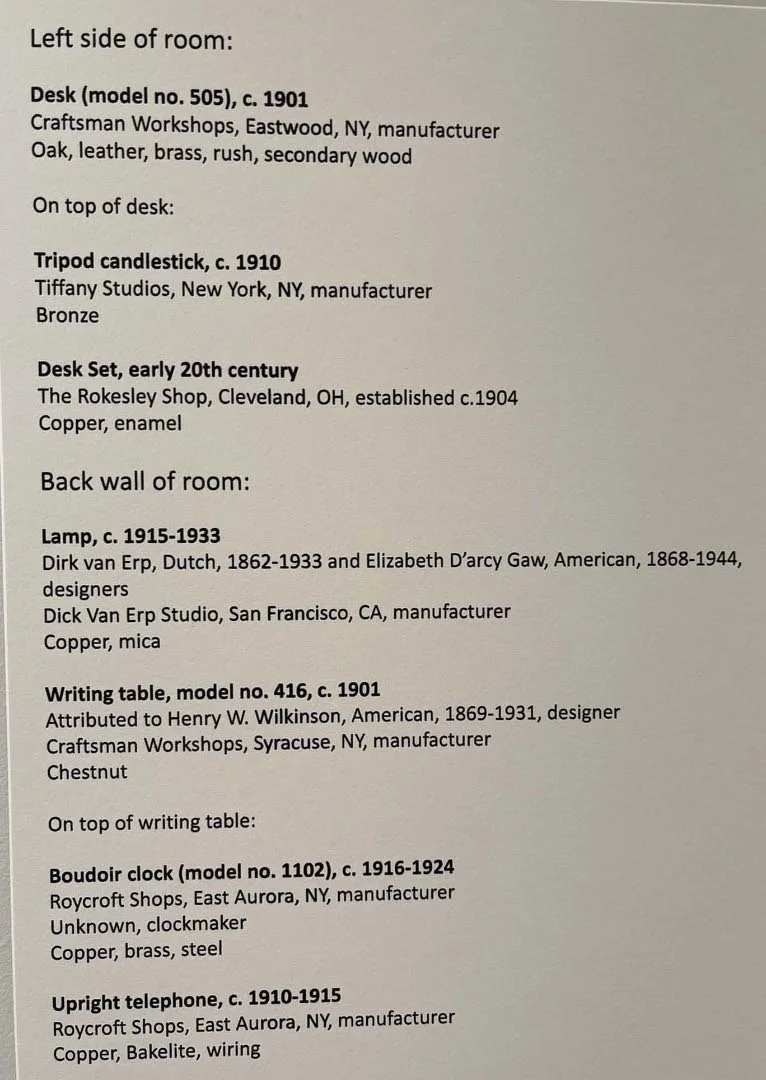
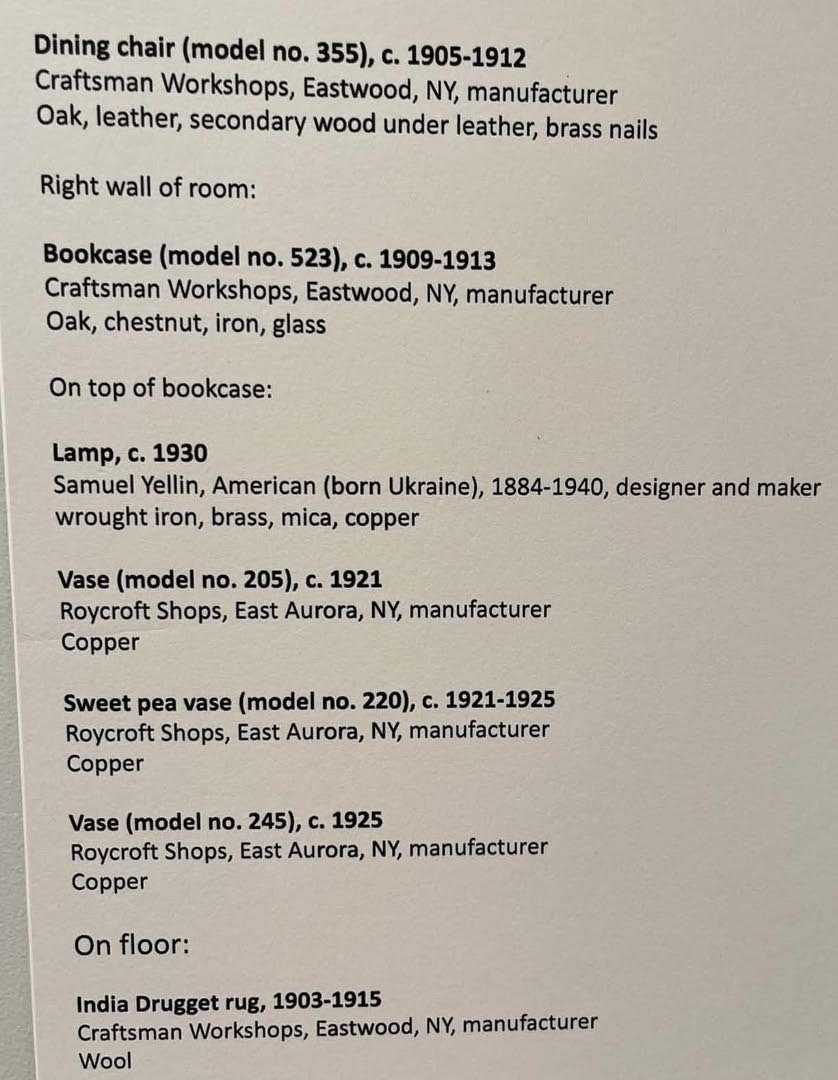
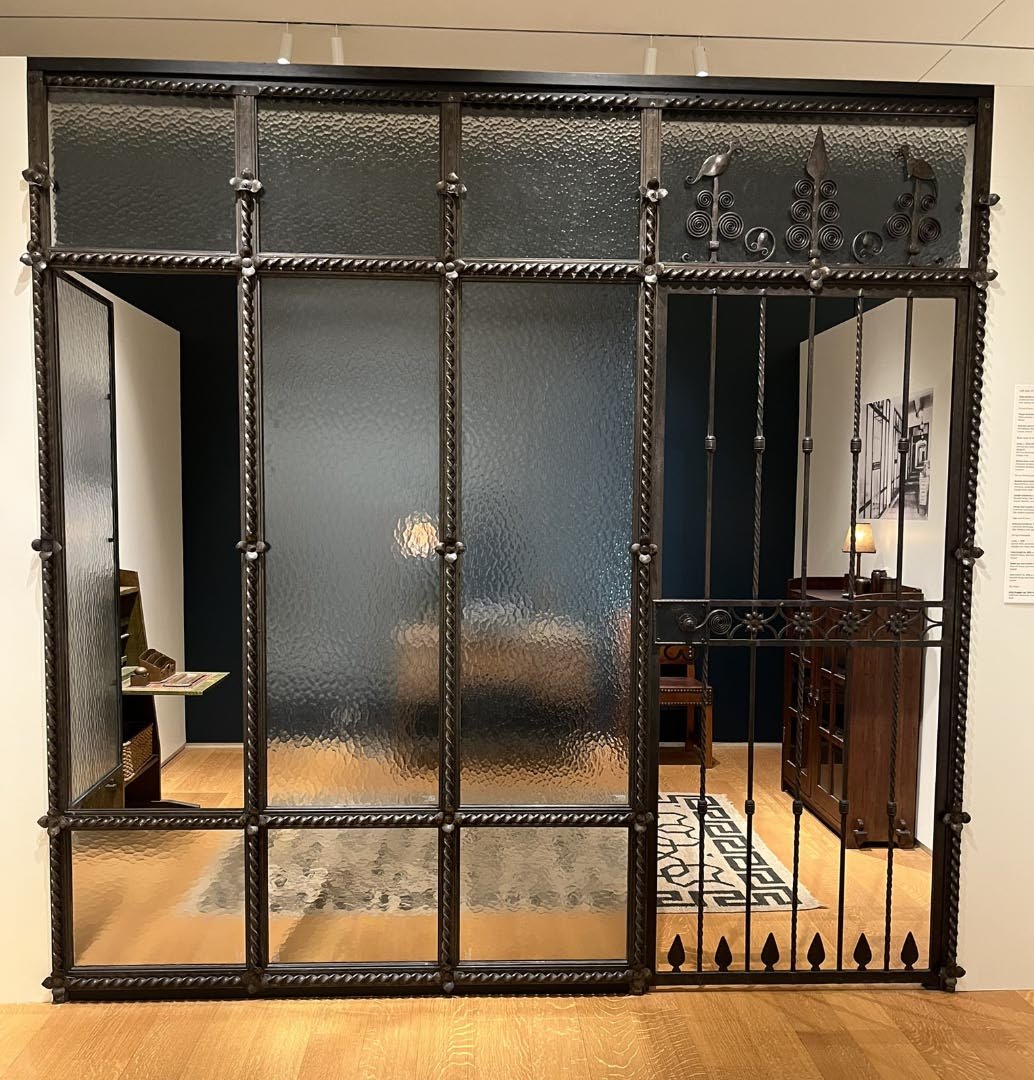
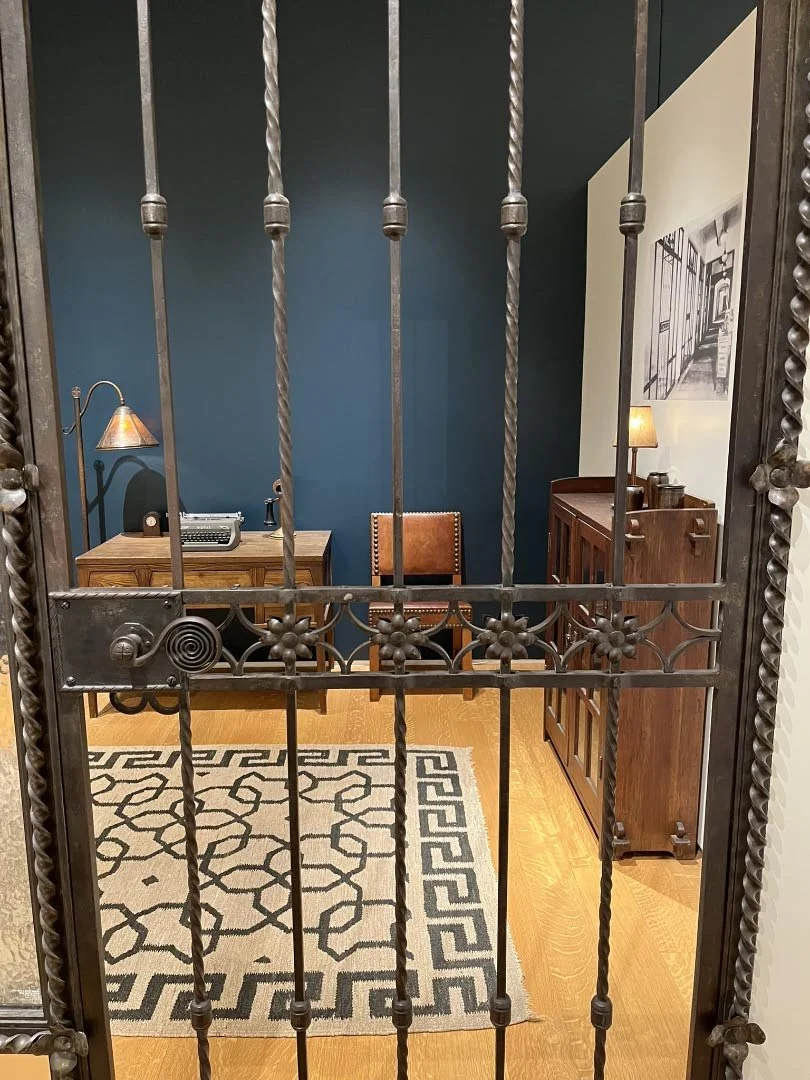
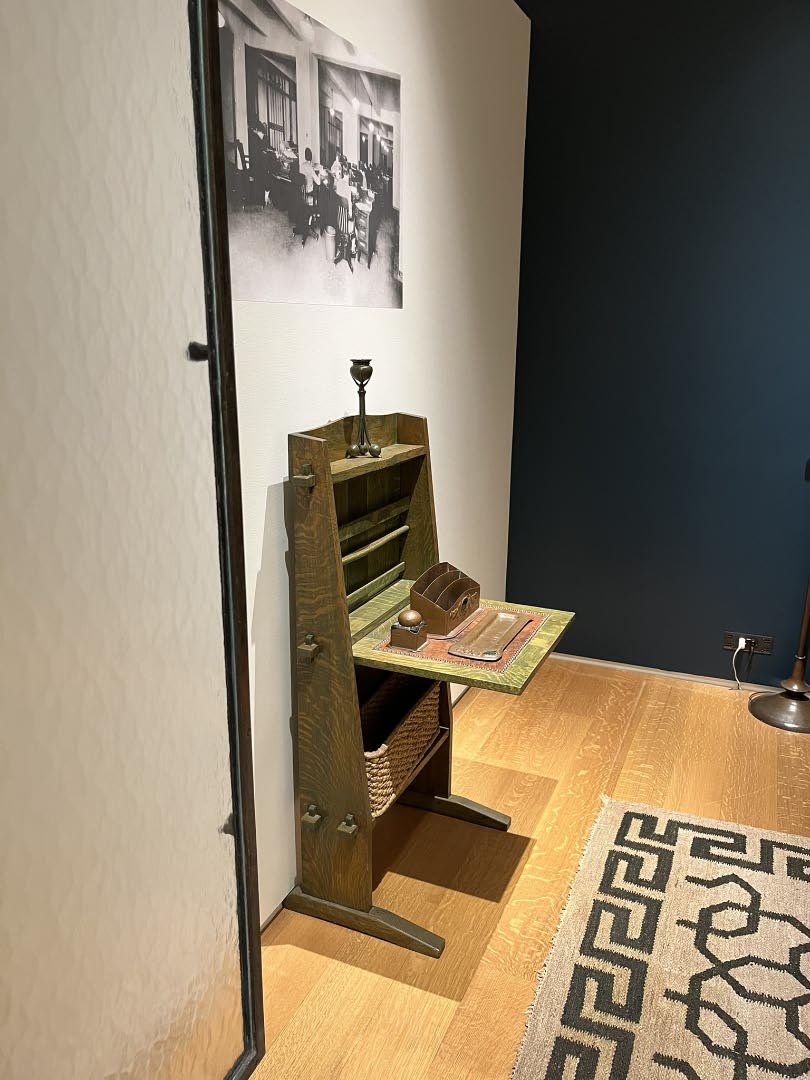
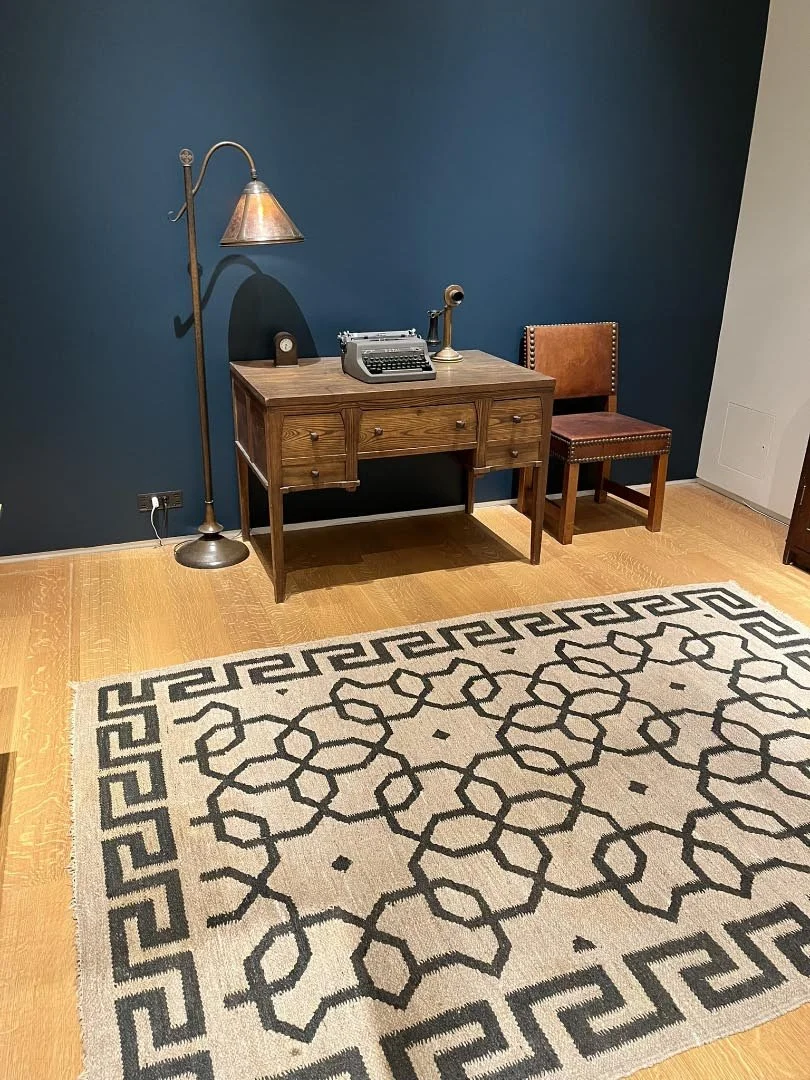
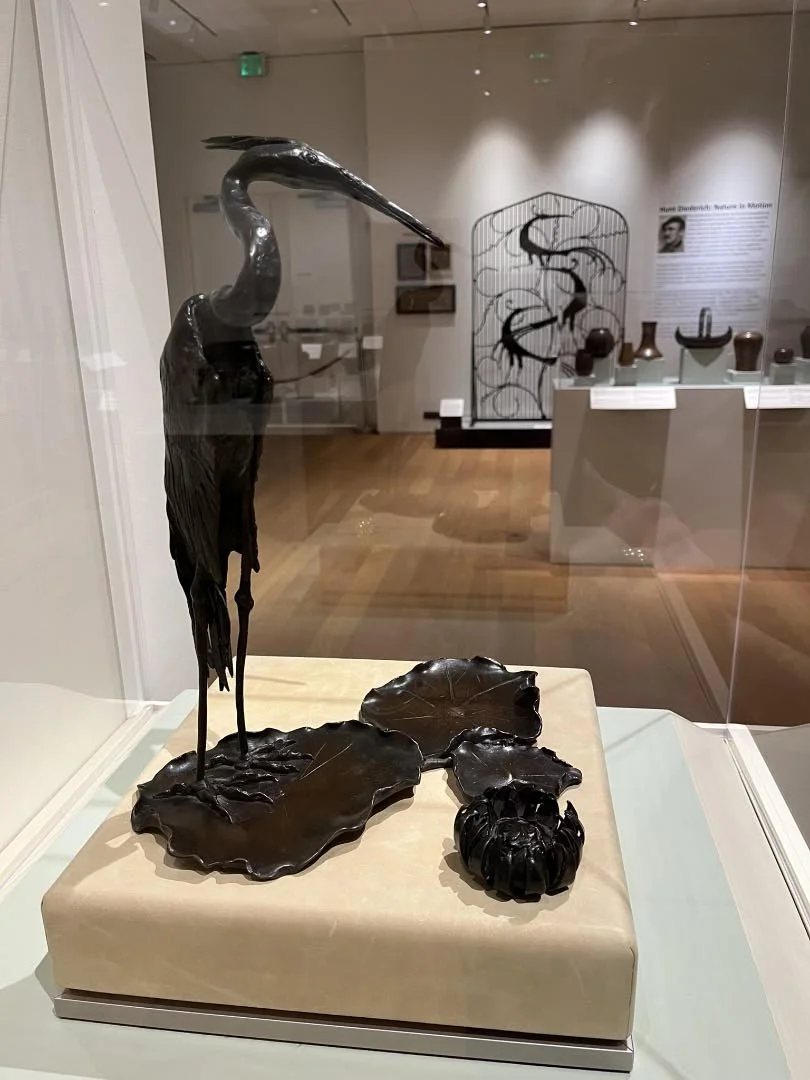
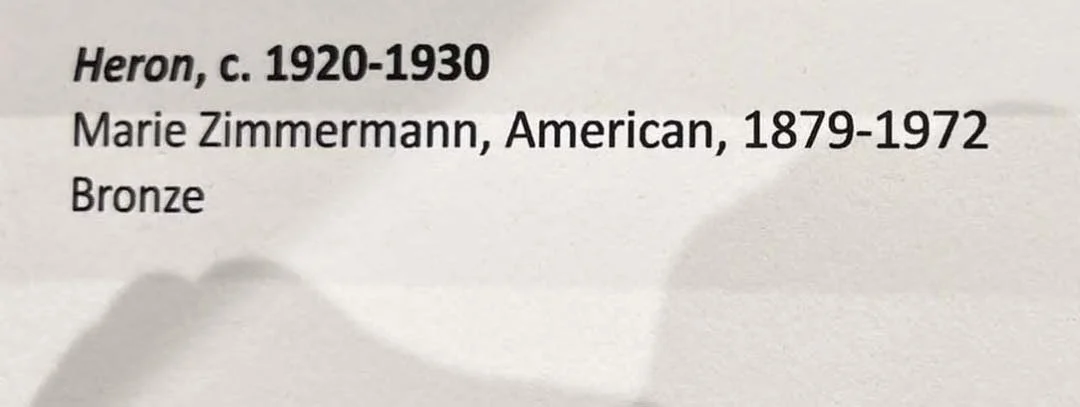
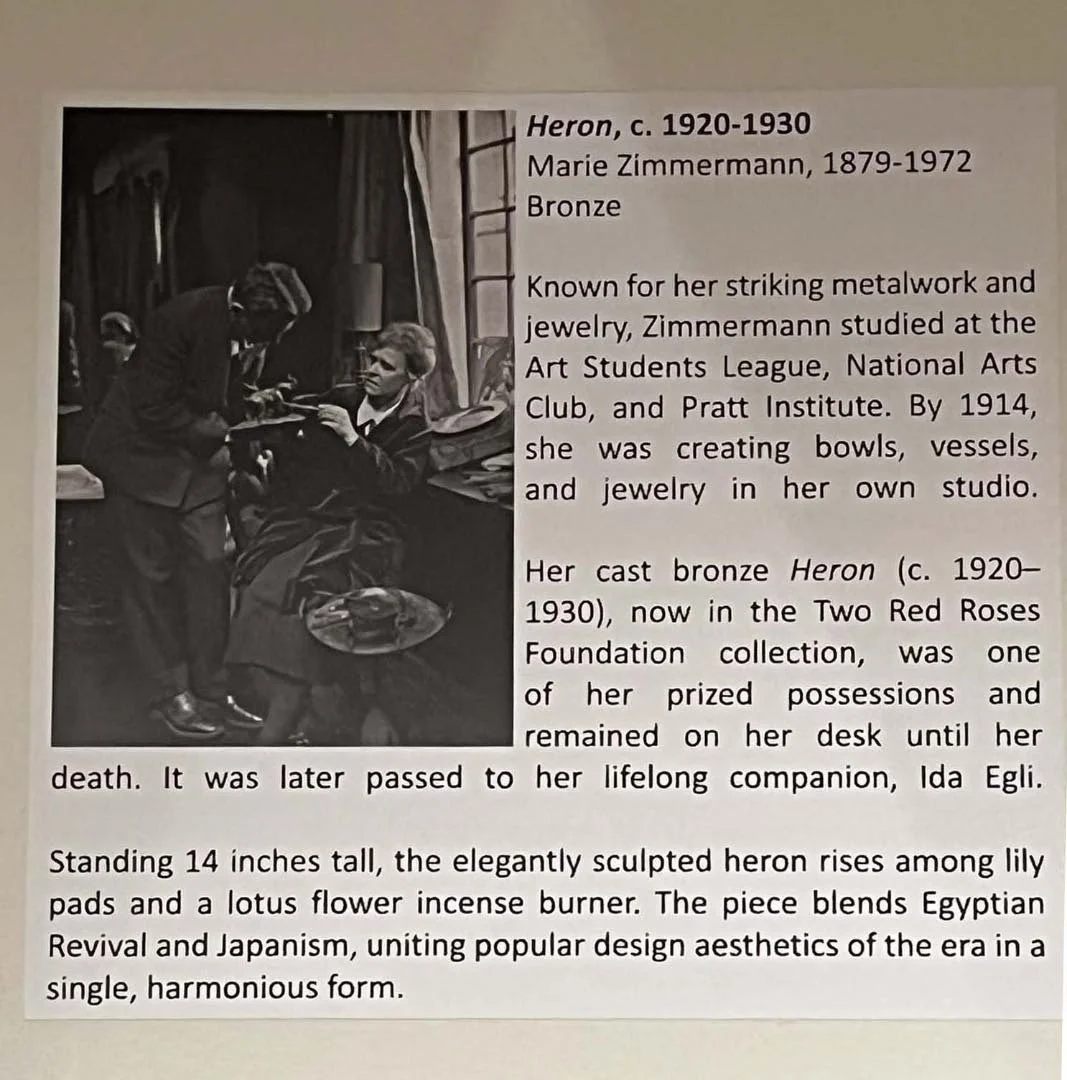
There was a great deal more fine ironwork to be seen, as the background to this image makes clear, but I focused on this bronze heron by Marie Zimmerman.
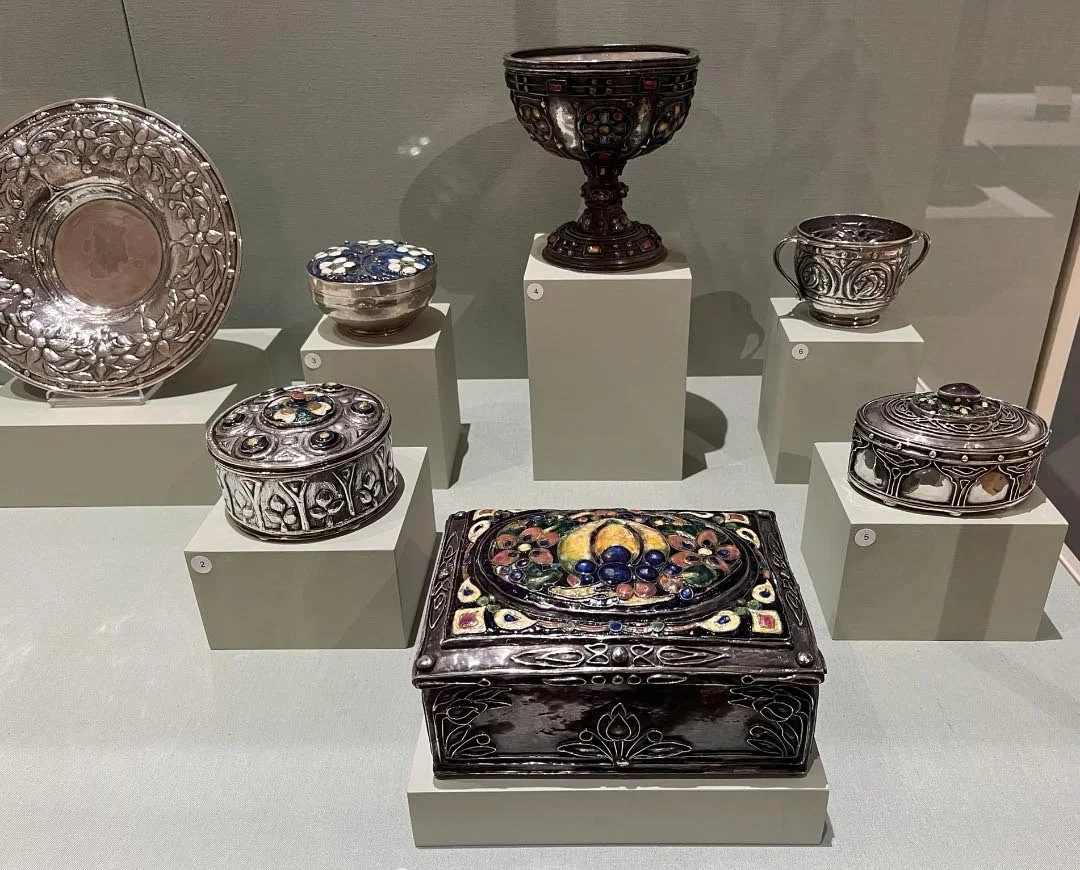
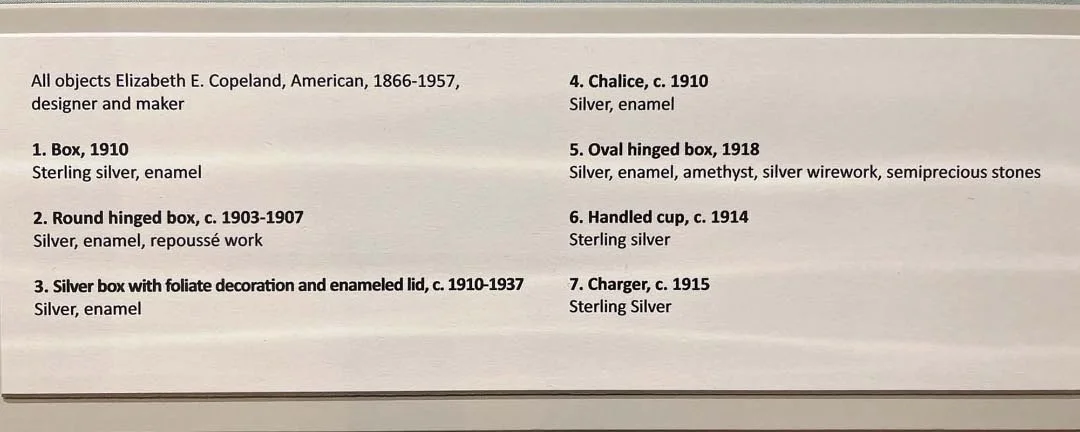
Elizabeth Ethel Copeland, who also worked in the Boston area, created more of a medieval look with her enamel and metalwork.
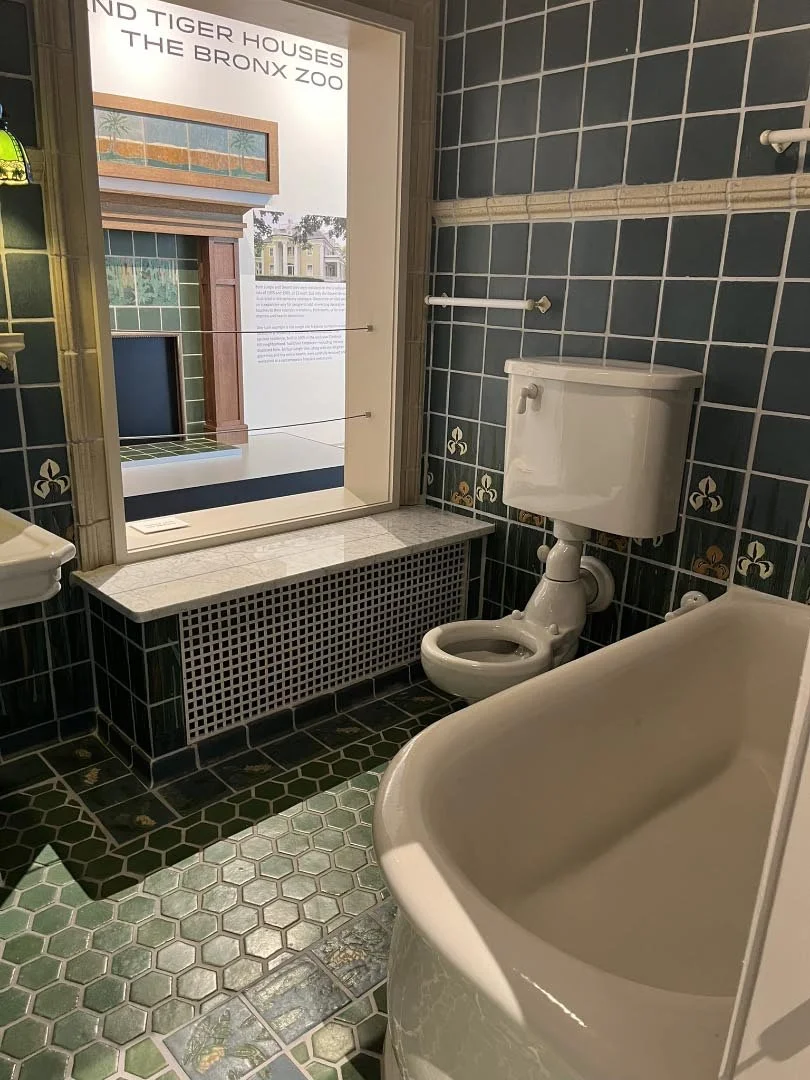
And yes, I do like a pretty bathroom. Some years ago, I posted a series of photos, “Loos of London.” This one, done by the Grueby Faience and Tile Company (lamps aren’t all they made), I want in my house.
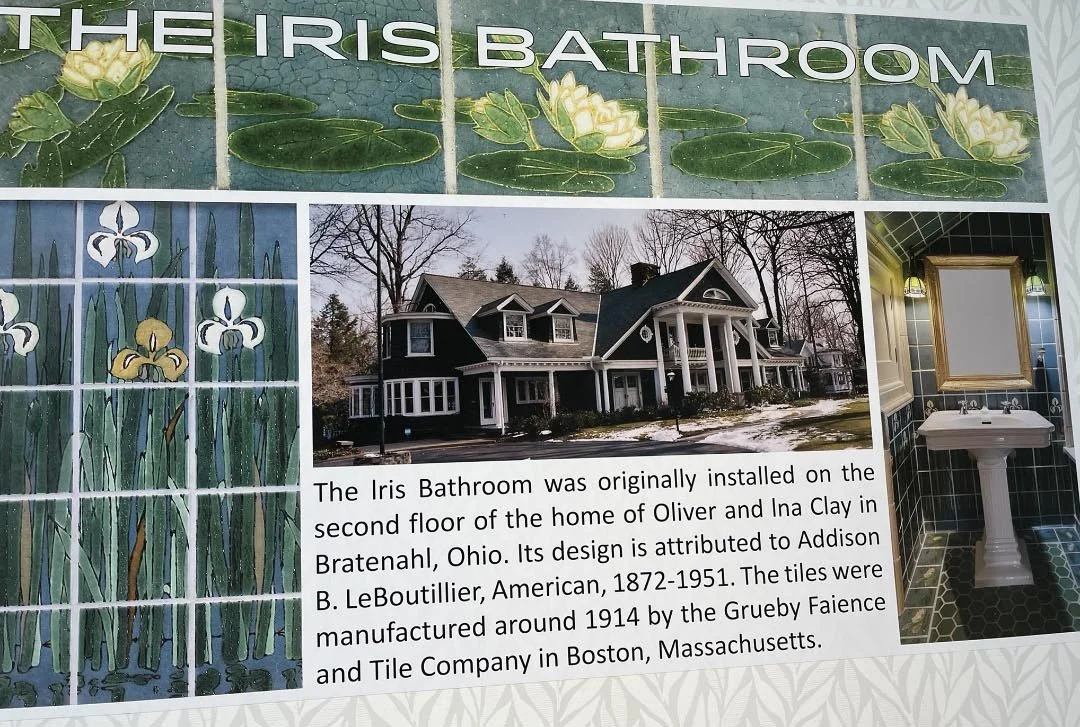
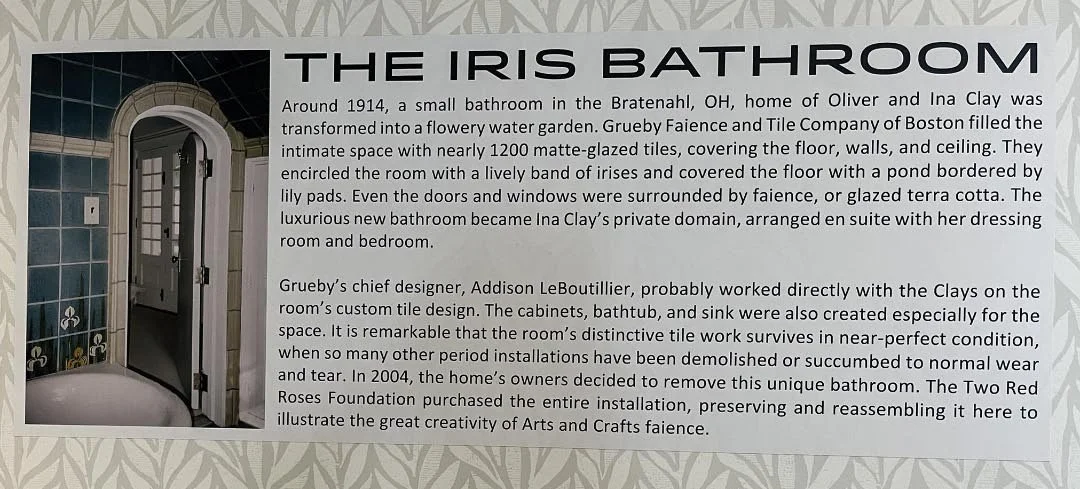
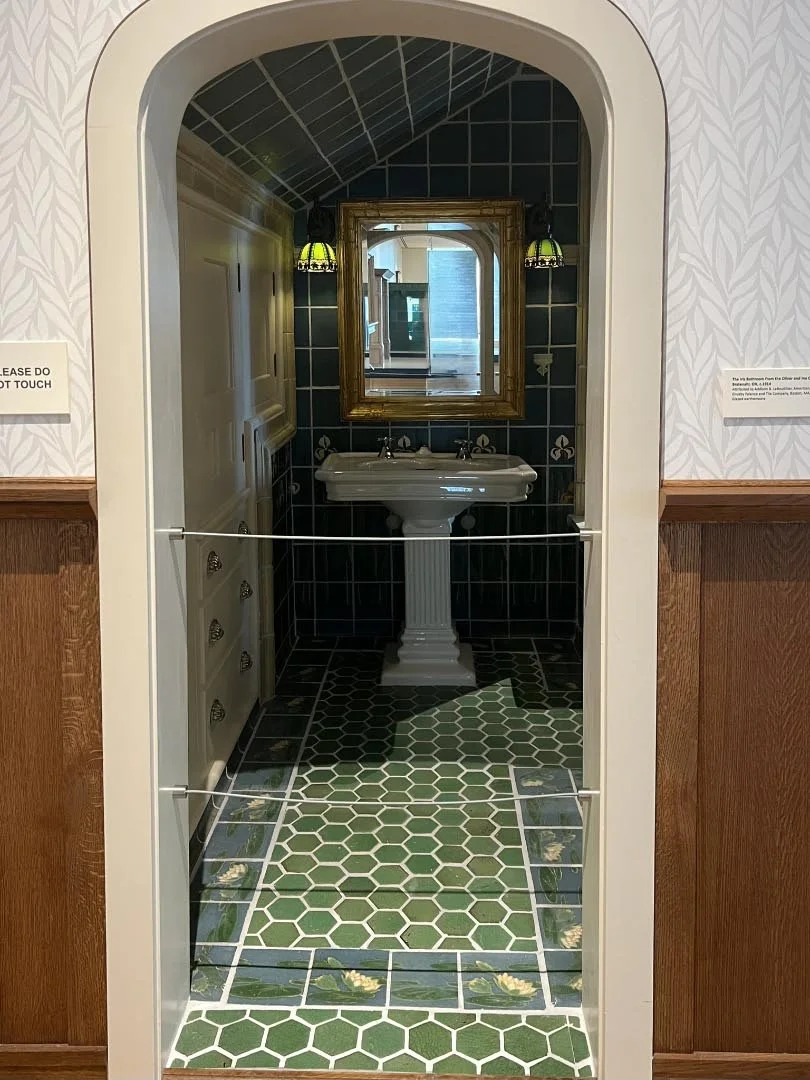
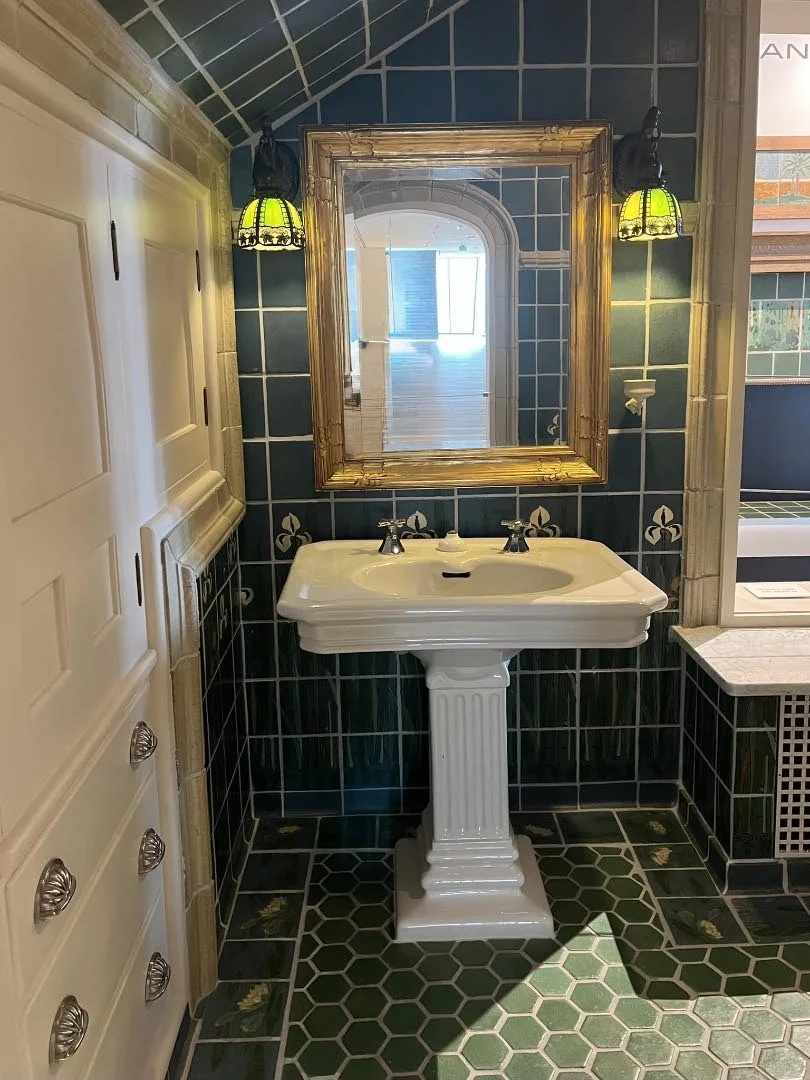
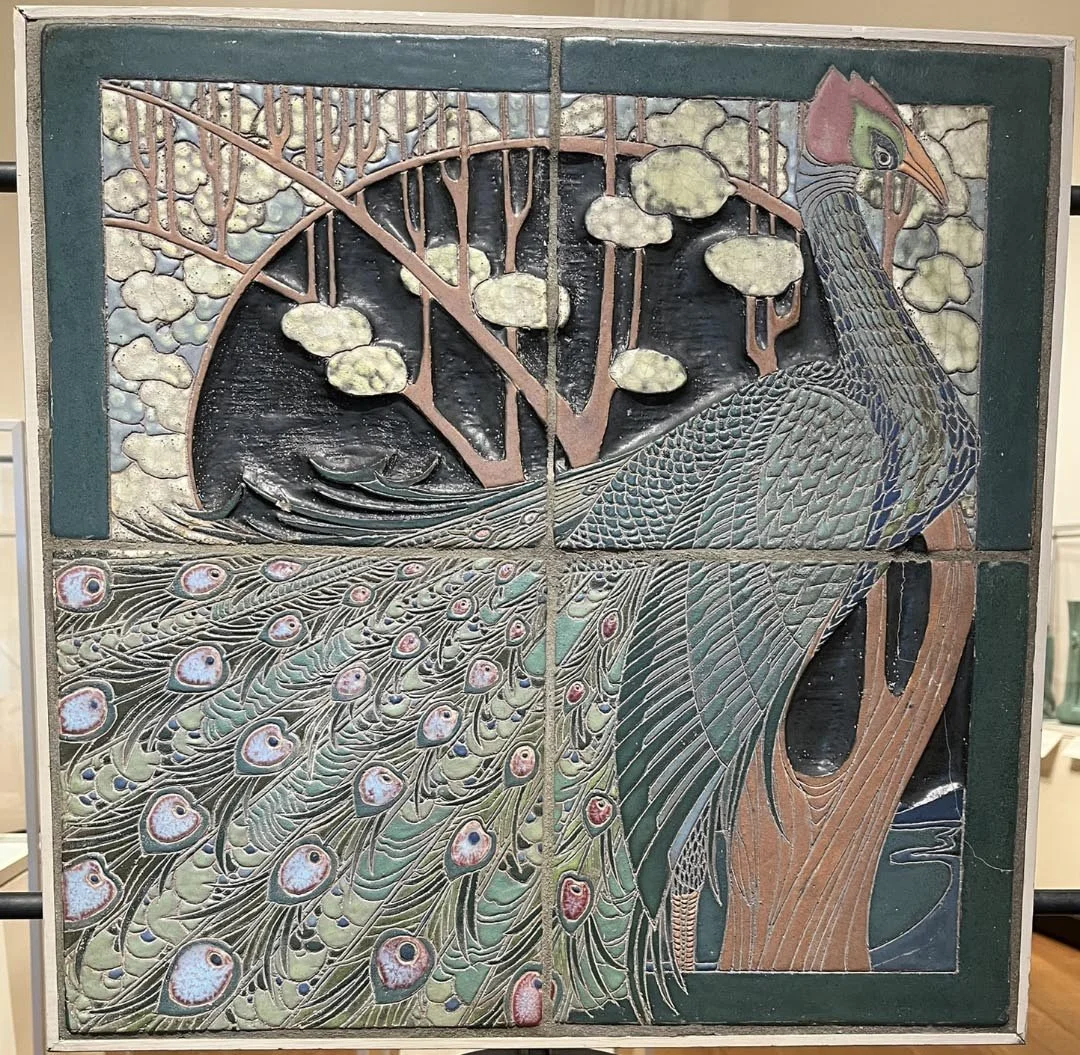
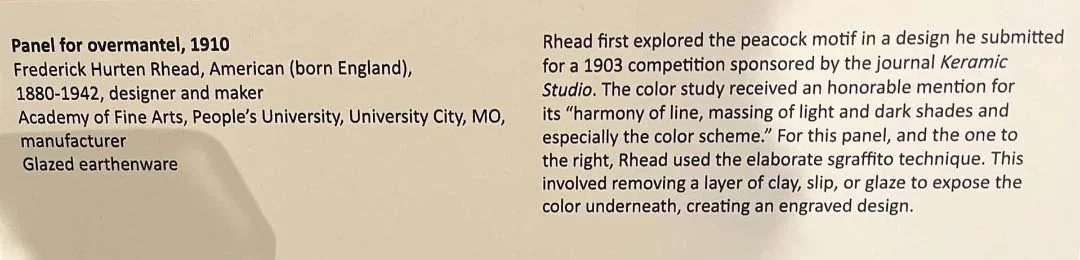
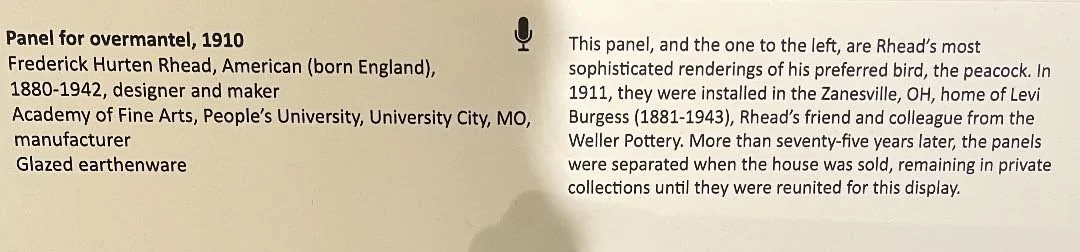
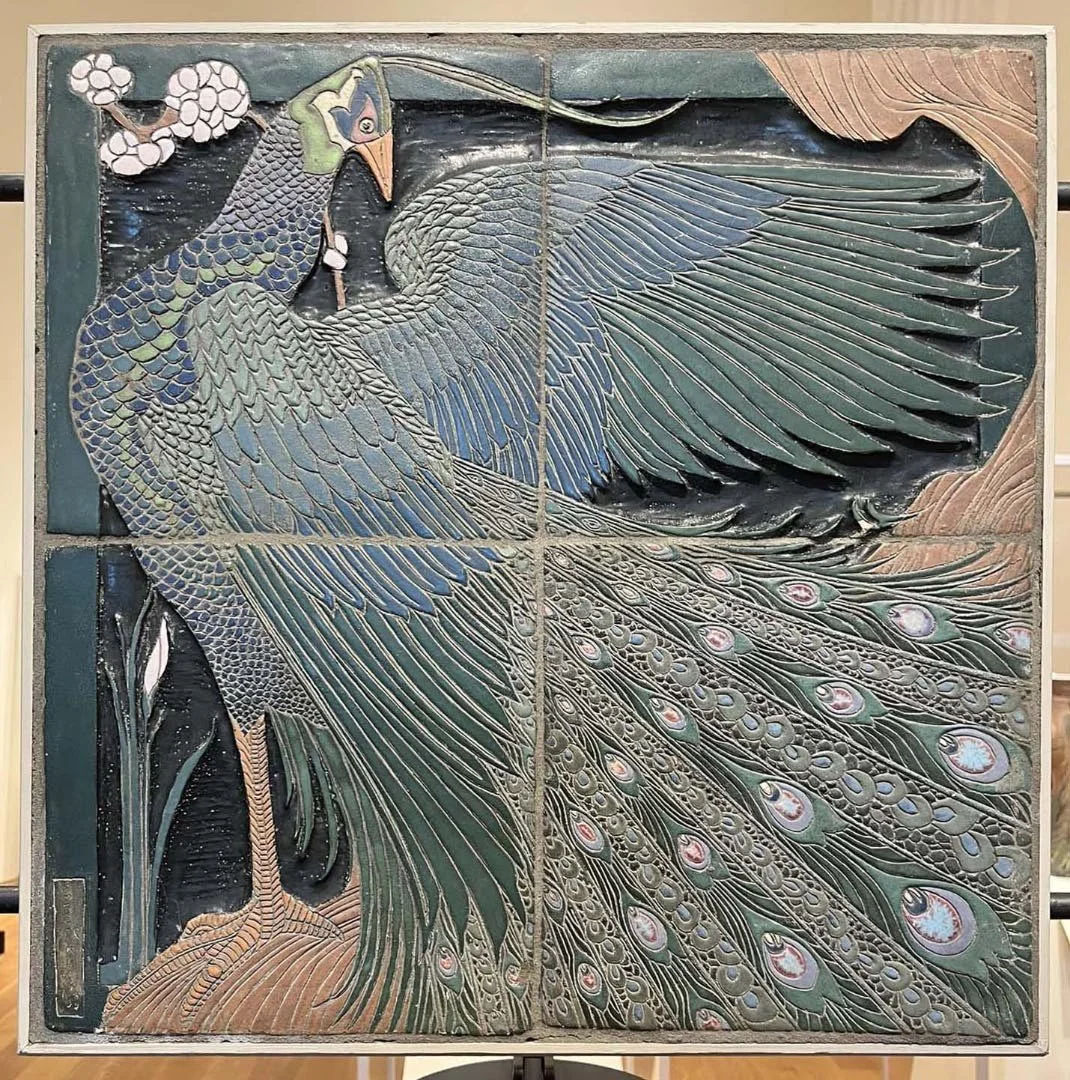
More tile work: Frederick Hurten Rhead’s peacock panels. Until I looked him up, after seeing these works, I didn’t know that he was the one who designed Fiesta ware. I began collecting in the 1970s, so ended up with some of the early stuff, but I didn’t collect to collect; I used it, and loved it. When the new ceramics came out in the 1980s, I bought those, too. Most of my collection is now in other households, but I retain a few of my favorite pieces.
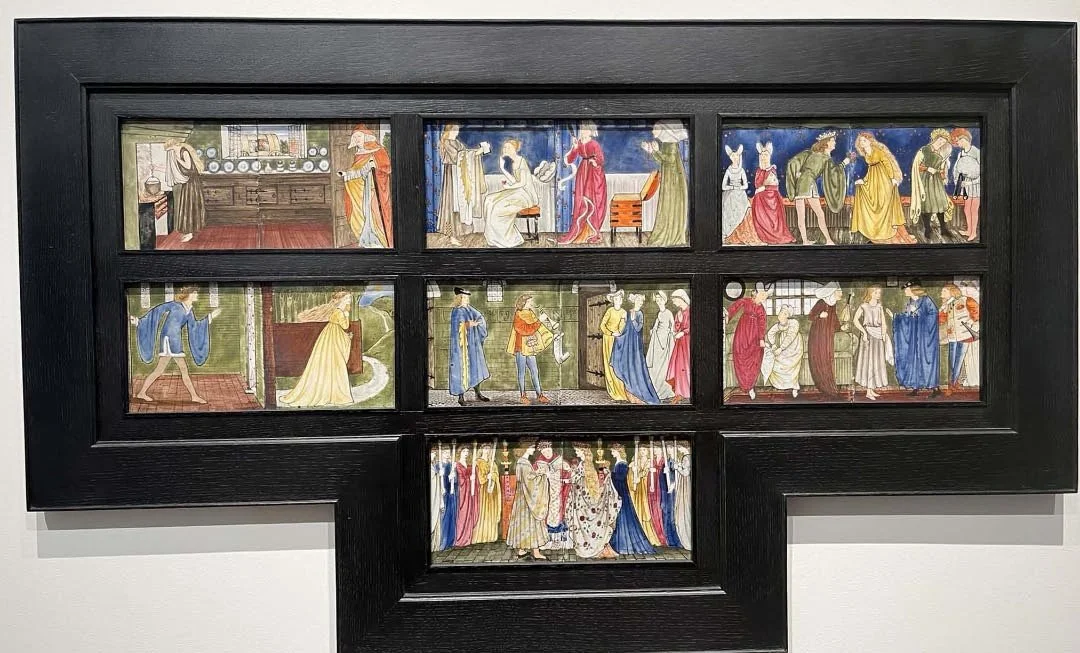
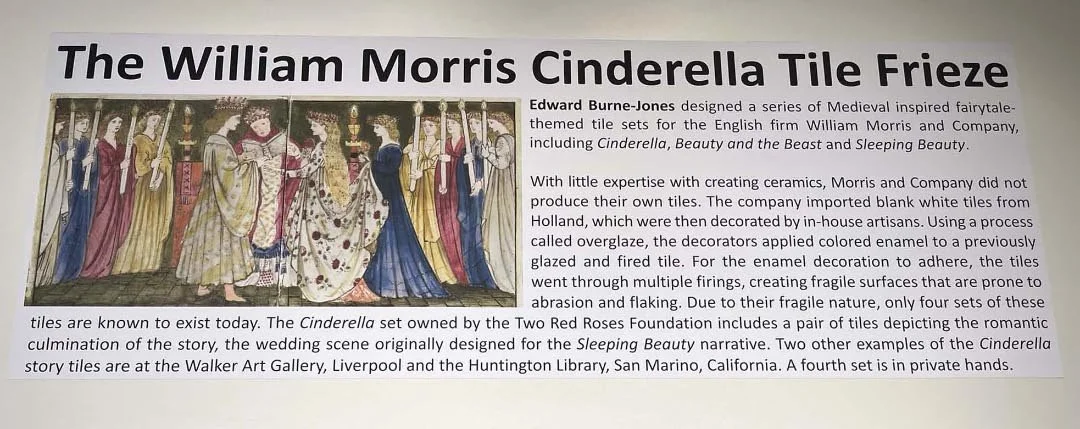
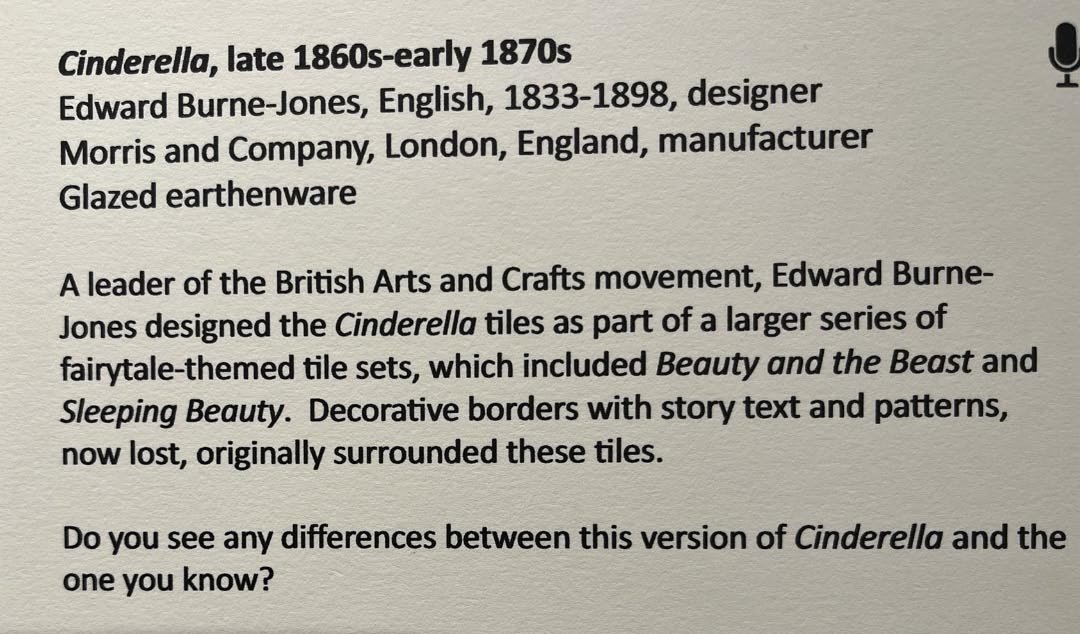
More tile work, this time designed by Edward Burne-Jones, the last of the Pre-Raphaelite artists.
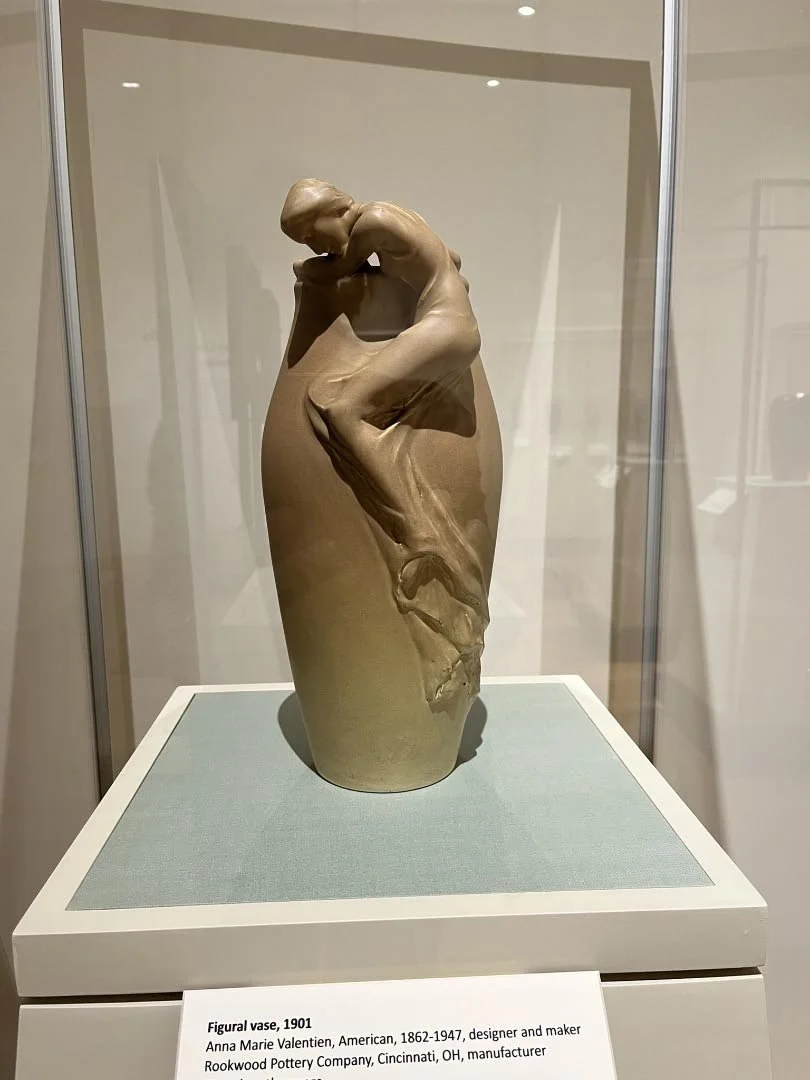
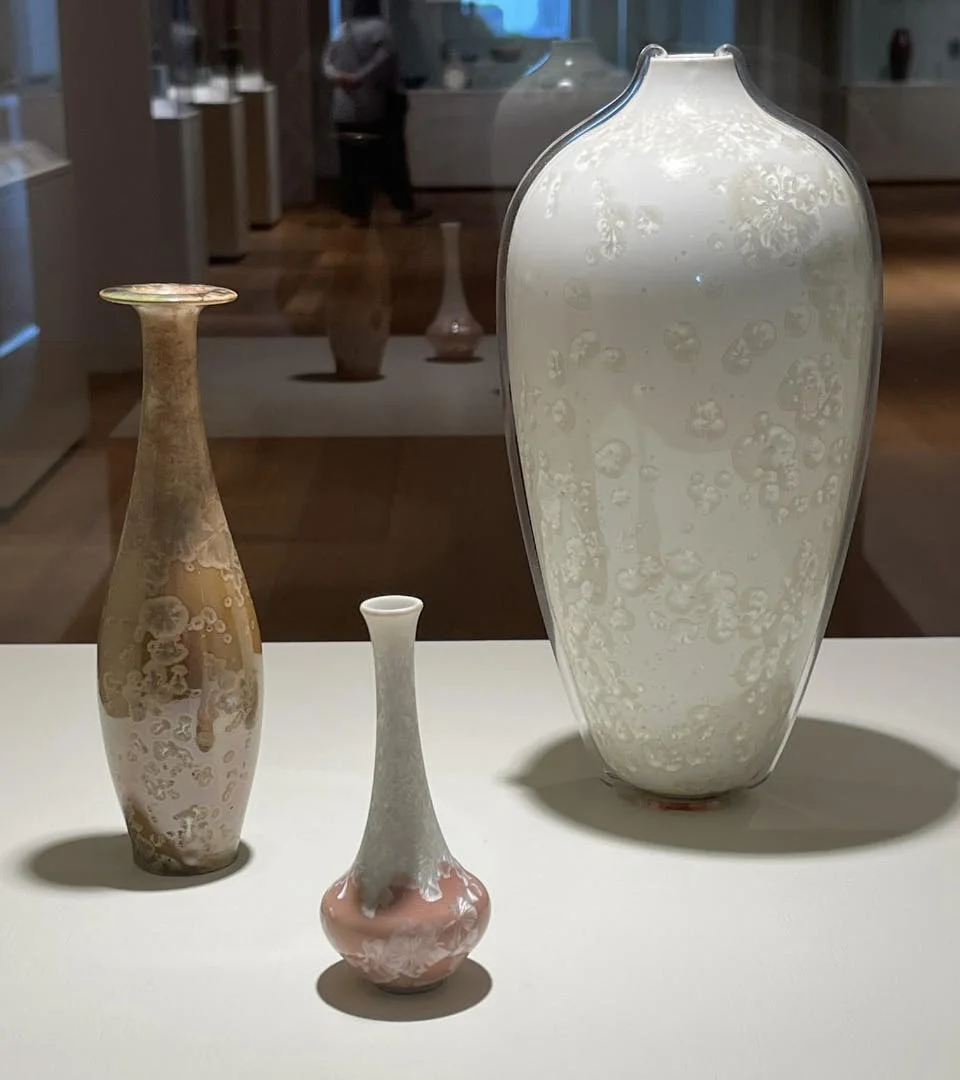
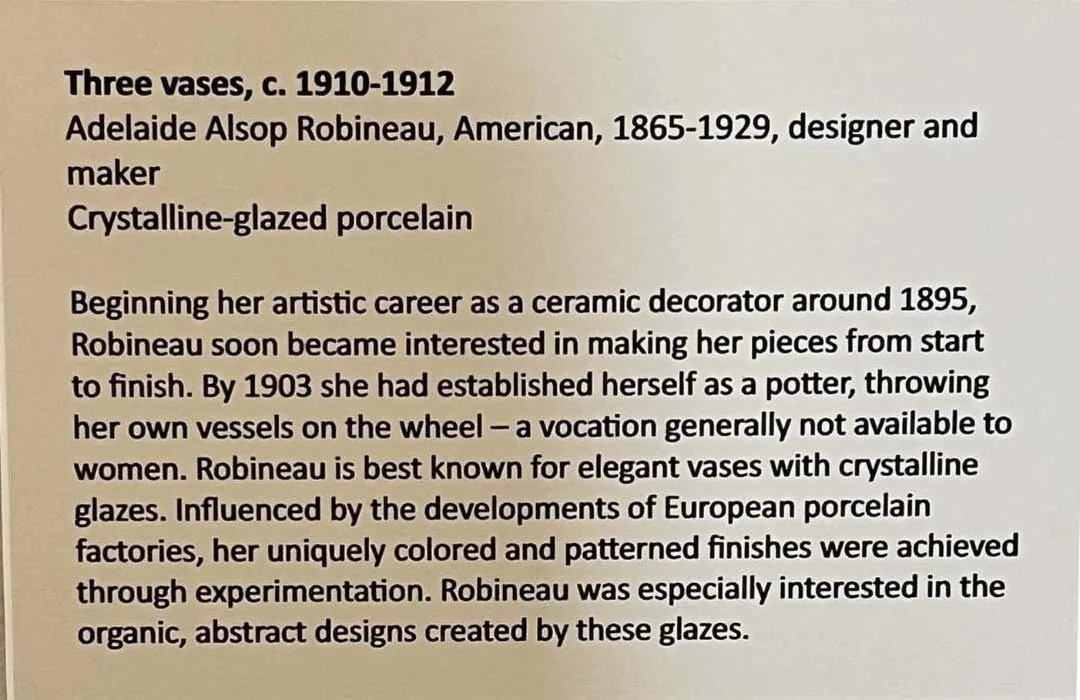
Unfortunately, I ran out of time, and didn’t make it to the graphics galleries. But I leave you with these very different but beautiful works by women artists Anna Marie Valentien and Adelaide Alsop Robineau.You can read a bit more about Valentien’s figural vase here at the museum site and the Metropolitan Museum (NYC) has a number of Robineau’s works online.